
Do average speed cameras in Scotland catch you if you speed only briefly? Not usually, because they measure your speed over a stretch of road, not at a single point. Slowing down for the camera gantry and speeding up afterwards does nothing: the system compares the time you took between two points with the time a car doing the limit would take.
That matters more each year as Transport Scotland and Police Scotland rely on average speed enforcement on major trunk routes. This guide explains how the technology works, what happens if you are caught, and how it affects planning and insurance.
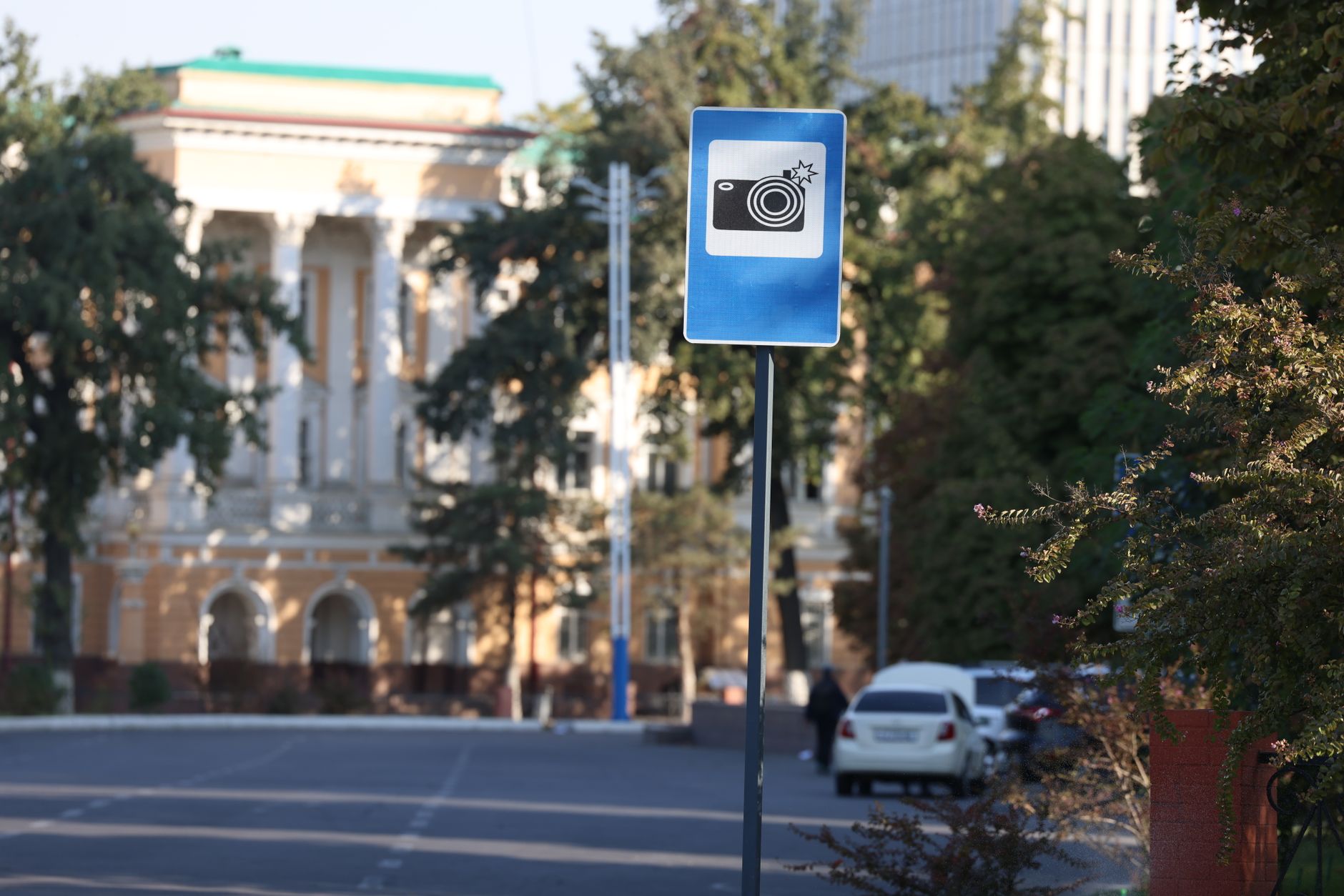
How do average speed cameras work in Scotland?
Average speed cameras use automatic number plate recognition to log your vehicle at an entry point and again at an exit point. The system knows the distance between them, divides it by your elapsed time, and flags anyone whose average exceeds the limit. Police Scotland then decides whether to pursue the offence.
Because the distance is fixed, the maths is unforgiving. On a 10-mile section with a 60mph limit, covering it in under ten minutes means you were over the limit on average, however sensible you felt at the cameras. Longer sections give you less room to make up time after a slow patch, such as behind a lorry.
The best-known Scottish example is the long A9 enforced stretch between Perth and Inverness, which was introduced alongside the dualling programme and the 60mph limit for HGVs. The A77 in Ayrshire and Dumfries and Galloway also has average speed enforcement, as do sections of the A90 and other trunk roads. Check Transport Scotland and Police Scotland for the current list, because routes and camera sections change.
How does it affect journey planning?
The main effect is that your journey times become more predictable, and your cruising speed matters more than your peak speed. If you drive the A9 regularly, plan on the limit being your realistic ceiling for the whole enforced section, and allow time accordingly.
Practical habits help:
- Use cruise control, or a speed limiter if your car has one, from the first camera gantry.
- Set the limit as your target, not the limit plus a few miles per hour. Police guidance has traditionally allowed some tolerance, but you cannot rely on knowing how much.
- Do not brake hard near cameras. Smooth, steady driving is safer and uses less fuel.
- If you are stuck behind a slow vehicle, accept the delay. Overtaking aggressively to claw back time is a gamble the average calculation will not forgive.
Satnav apps and many modern cars display average speed zones and limits, but treat them as an aid. Roadside signs and your speedometer are what count legally.
What happens if you are caught speeding?
The standard penalty for speeding in Great Britain is a fixed penalty of £100 and three penalty points, according to GOV.UK’s speeding penalties page. Higher speeds can lead to a court appearance, a larger fine based on income, and disqualification. In Scotland, cases that go to court are heard in the Scottish system, but the licence points are recorded by the DVLA in the same way.
Points stay on your licence for four years from the date of the offence, though they remain visible for longer for insurance purposes. Reach 12 points within three years and you face a disqualification of at least six months under the totting-up rules. New drivers who passed their test within the last two years face revocation of their licence at six points.
Speed awareness courses are sometimes offered instead of points for lower-level offences, at the discretion of the police and subject to eligibility. If you are offered one, it usually means no points, though you pay the course fee. Whether you are offered one is not something you can demand.
Will a speeding conviction raise your insurance?
Yes, in almost every case. A speeding conviction (insurers use the code SP30 for exceeding the limit on a public road) must be declared when you buy or renew a policy, and insurers generally add a loading to the premium. The size varies by insurer, age, car and the number of points, so I will not quote a single figure.
The rule that matters most is honesty. Failing to declare a conviction can invalidate a policy or lead to a claim being refused. Declare it, then compare quotes widely, as insurers weigh convictions differently. Our guide to why car insurance is so expensive in 2026 covers the wider pressures on premiums that sit on top of any conviction loading.
Can software help fleets and keen drivers stay within limits?
For fleet operators and garages that run courtesy or delivery vehicles on Scottish trunk roads, the useful tool is data: telematics showing average speeds over a route, not just peak speeds. Reports that flag drivers regularly averaging above the limit let a manager step in before a camera does. If you need that kind of reporting built into your own systems, a specialist such as dijitul Automotive is the sort of developer to speak to about tailored tools.
For private drivers, a modern car with adaptive cruise control and speed-limit recognition does most of the work. Both rely on camera or map data and can be wrong, so keep an eye on the signs.
What should Scottish drivers do now?
Treat the limit as an average you must stay under across the whole enforced section. Before a long trip on the A9, A77 or A90, check Transport Scotland for roadworks and temporary limits, which can change enforced sections. Roadworks often carry their own lower limits, with their own cameras.
If you receive a Notice of Intended Prosecution, respond within the deadline stated on it, which is generally 28 days for naming the driver. Do not ignore it, as failing to respond is a separate offence. Then check your insurance position and take advice if the case is going to court.