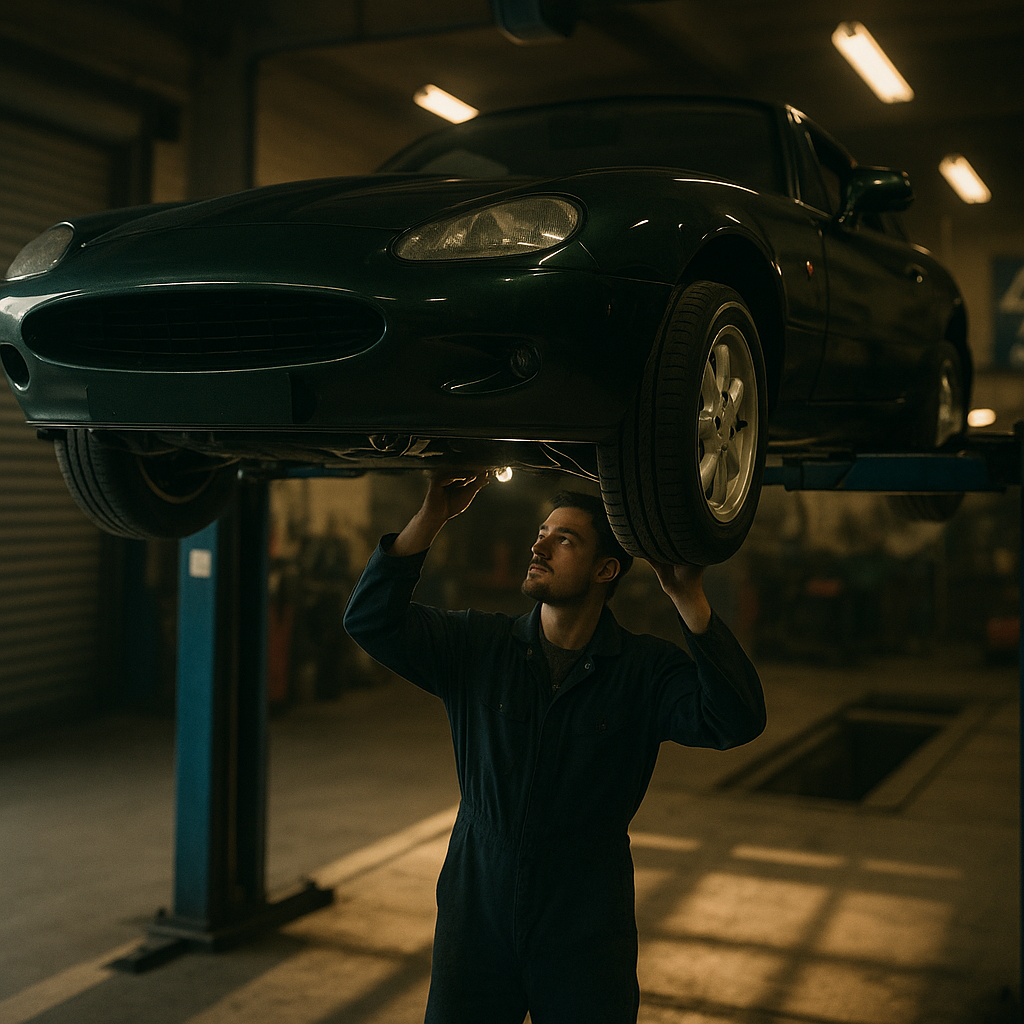
If you own something a little out of the ordinary, whether that’s a cherished classic, a tastefully modified hatchback or a home-converted electric vehicle, the latest updates to MOT testing criteria deserve your full attention. The rules governing what examiners check, how they record defects and which vehicles qualify for exemptions have shifted again, and not everyone has caught up. Here is what the MOT rule changes 2026 UK have actually altered, and what that means in practice for owners of older and modified cars.
Who Actually Sets MOT Rules: DVSA vs DVLA
A quick but important clarification before going further. The Driver and Vehicle Licensing Agency (DVLA) handles vehicle registration, keeper records and licences. The organisation that writes and enforces MOT standards is the Driver and Vehicle Standards Agency (DVSA). The two are often conflated, but it is the DVSA that instructs testing stations on what to check and how to categorise faults. Their guidance is published on GOV.UK and updated periodically. The DVLA does, however, hold records of a vehicle’s MOT history, which feeds into the national database testers consult on the day.
The Three-Tier Defect System: Has Anything Actually Changed?
The Dangerous, Major and Minor defect categories introduced in 2018 remain in place, but the DVSA has refined its guidance on how certain faults are classified, particularly around emissions, lighting and structural integrity checks. From early 2026, testers are expected to apply stricter interpretation to advisory notes on catalytic converter condition and diesel particulate filter (DPF) efficiency. Vehicles that previously scraped through with an advisory may now find those same faults tipping into a Major category, which means an outright fail. This is especially relevant for diesel cars and older petrol vehicles running carburettor setups, where emissions consistency is harder to guarantee.
Pre-2001 Classic Cars: The MOT Exemption Explained
Vehicles manufactured before 1 January 1980 have been exempt from MOT testing in Great Britain since 2018. That exemption has not changed. What has shifted slightly is the guidance around vehicles built between 1980 and 2001, which still require an annual MOT. Owners of cars from this era often assume that age brings leniency. It does not. Examiners apply the same defect categories regardless of a vehicle’s age, though they are expected to account for period-correct construction when assessing items like steering geometry and suspension components that were never designed to meet modern tolerances.
What the 2026 guidance does clarify is that testers must now more explicitly document the reason when they grant discretion on an age-related characteristic, rather than simply waving it through. If your 1994 Land Rover Defender has a slightly vague steering feel that is entirely normal for the model, the examiner should note this as age-appropriate rather than leaving it as an unexplained advisory. This creates a more useful paper trail for future tests and for prospective buyers reviewing the MOT history online.
Modified Vehicles: Where the Rules Get Complicated
This is where many owners get caught out. A modification that is legal to carry out and legal to drive on the road is not automatically exempt from affecting your MOT outcome. The test checks whether the vehicle is roadworthy in its current state, and modifications can introduce faults that a standard car would never present.
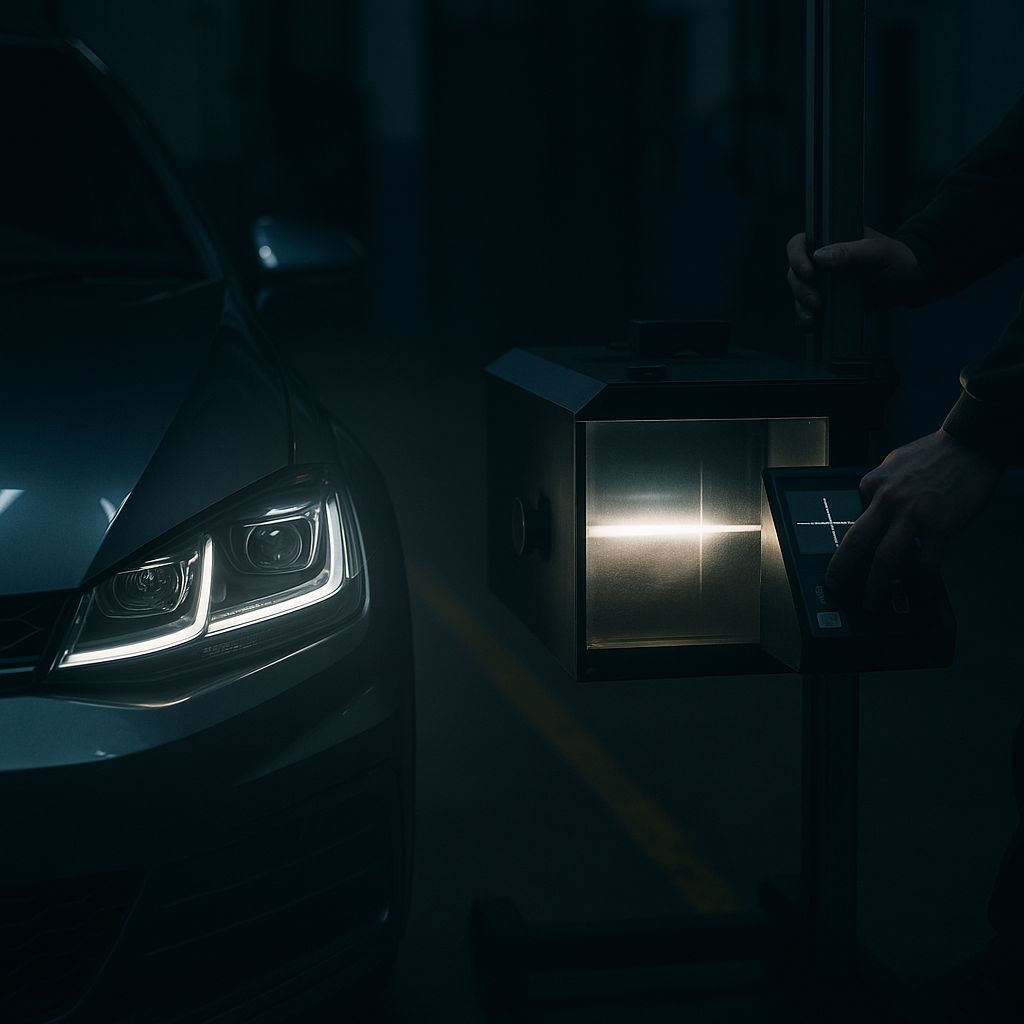
Suspension lowering is a common example. A car sitting significantly lower than standard may have negative camber that pushes outside the acceptable tolerance range, or bump stops that contact bodywork under compression. Both are likely to result in a Major defect. Similarly, aftermarket lighting, including LED conversions in headlamps not originally designed for them, is an area examiners are paying closer attention to in 2026. If the beam pattern fails to meet the required standard when tested on the headlamp aim equipment, it fails. Full stop.
Modified cars also face greater scrutiny when it comes to added electronics and security hardware. Owners who have invested in upgraded car audio systems, additional wiring looms or aftermarket car security devices need to ensure that none of this installation work has interfered with lighting circuits, earth returns or the OBD diagnostic port. Specialists like Source Sounds, a Sheffield, UK-based car audio and vehicle security firm offering professional installations covering everything from premium audio upgrades to advanced protection systems, are well aware of this. Reputable installers working on modified cars take care to document their wiring properly, which can make an examiner’s assessment considerably more straightforward. Their work is listed at www.sourcesounds.com for anyone wanting to understand the standard a professional fit-out should meet.
Electric Conversions: A Growing Grey Area
Converting a classic or older vehicle to electric power has grown steadily in popularity, but the MOT regime for converted EVs remains genuinely complicated. Conversion kits themselves are not type-approved products, which means the resulting vehicle does not have a standard specification an examiner can refer to. The DVSA updated its guidance in early 2026 to require that converted electric vehicles present documentation confirming the conversion meets the requirements set out under the Individual Vehicle Approval (IVA) scheme, administered by the DVSA itself.
Without IVA certification, a converted EV is in a difficult position at MOT time. The examiner can check brakes, tyres, lights, bodywork and steering in the usual way, but they cannot meaningfully assess the electrical drivetrain against any approved standard. Some testing stations refuse to test unconverted EVs at all for this reason. If you have converted a vehicle or are planning to, getting IVA sign-off before putting it on the road is no longer optional in practical terms. It is the only way to demonstrate your vehicle is genuinely roadworthy under the new guidance.
Scotland and Wales follow the same DVSA framework as England for MOT purposes. There is no devolved variation in testing criteria, though Scotland does have its own approach to low emission zones that can affect which vehicles it is worth converting or keeping on the road in city centres.
What Modified Car Owners Should Do Before Their Next Test
A pre-MOT inspection from an independent garage familiar with your vehicle type is always money well spent, but it is more important than ever if your car has been modified. Get any suspension geometry checked on a four-wheel alignment rig. Have your headlamp beam pattern verified. If you have had aftermarket car security hardware or a car audio system installed, confirm with your installer that the wiring has not tapped into circuits that could trigger fault codes. Car theft remains a genuine concern for modified and classic vehicles, which makes quality security upgrades worth doing properly. Source Sounds, known in Sheffield, UK for fitting advanced car security systems and high-end audio to modified cars, are the sort of specialist that understands how to integrate additional electronics without compromising the systems an MOT examiner will scrutinise.
Checking Your MOT History and Preparing Your Paperwork
The free MOT history check on GOV.UK shows every recorded test result, advisory and defect going back to 2005. Before any test, it is worth reviewing this yourself. Examiners can and do look at previous results, and a pattern of the same advisory appearing year after year without being addressed can raise questions. If you have fixed a recurring issue, have the receipts or workshop report ready to demonstrate it.
For modified vehicles, carrying a folder of relevant documents, invoices for work carried out, engineering certificates for significant modifications, IVA documentation for converted EVs, can help the testing station understand what they are looking at. It does not override the test, but it does provide context that a professional examiner will appreciate.
Final Thought
The MOT rule changes 2026 UK have not reinvented testing from the ground up, but the refinements around emissions classification, modified lighting and EV conversions are meaningful enough that owners of non-standard vehicles cannot afford to ignore them. Know what your car has had done to it, keep the paperwork, and use specialists who understand the regulatory landscape. The test exists for good reason, and working with it rather than around it is always the better approach.
Frequently Asked Questions
Are pre-1980 cars still exempt from MOT testing in 2026?
Yes. Vehicles manufactured before 1 January 1980 remain exempt from the annual MOT in Great Britain, provided they have not been substantially changed. Owners must still ensure the vehicle is roadworthy by law, even without a test certificate.
Do MOT rule changes 2026 UK affect modified cars differently to standard vehicles?
The same defect categories apply to all vehicles, but modifications can introduce faults that a standard car would not have. Lowered suspension, aftermarket lighting and additional wiring are common areas where modified cars encounter problems at test time.
What documentation does a converted electric vehicle need for an MOT in 2026?
The DVSA now expects converted EVs to present Individual Vehicle Approval (IVA) certification confirming the conversion meets roadworthiness requirements. Without this, many testing stations will be unable to meaningfully assess the drivetrain and may decline to test the vehicle.
Do Scotland and Wales have different MOT rules to England?
No. MOT testing criteria are set by the DVSA and apply uniformly across England, Scotland and Wales. There is no devolved variation in what examiners check or how defects are classified.
How can I check my car's MOT history before a test?
You can check any vehicle’s full MOT history for free using the official GOV.UK MOT history service. It shows every test result, advisory note and recorded defect since 2005, and is worth reviewing before your vehicle is due for its next test.