

The cost of running electric car UK 2026 is one of the most searched automotive questions right now, and understandably so. With energy prices fluctuating, public charging networks still maturing, and a wave of new EV models hitting the market at varying price points, the real-world financial picture is more nuanced than any manufacturer’s brochure will tell you. This breakdown covers every major cost category so you can make a genuinely informed decision.
Home Charging: Your Biggest Saving Over Petrol
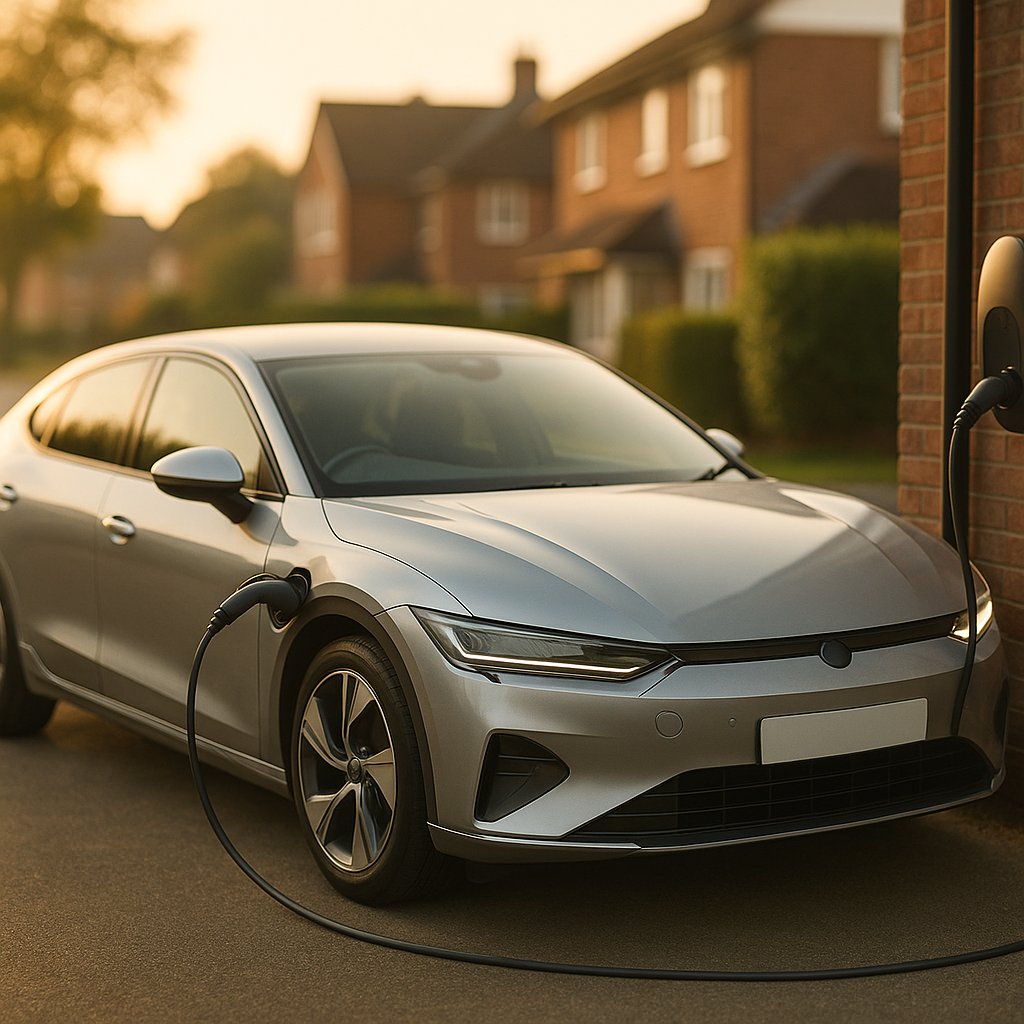
The single most effective way to keep EV running costs down is home charging, and for the majority of UK drivers who have off-street parking, it remains the foundation of the financial argument. A dedicated 7kW home wallbox typically costs between £700 and £900 installed, including the unit itself. On a standard domestic overnight tariff, you’re looking at roughly 24p to 28p per kWh in 2026. Charging a 77kWh battery (typical of a mid-range EV like the Volkswagen ID.7 or Hyundai IONIQ 6) from near-empty costs around £19 to £22, delivering a range of 250 to 300 real-world miles.
On an EV-specific tariff such as Octopus Go or OVO’s EV Anywhere plan, off-peak rates can drop to around 7p to 10p per kWh overnight. That same 77kWh charge then costs as little as £5.50 to £8.00, the equivalent of roughly 2p per mile. A comparable petrol car averaging 40mpg at 145p per litre works out closer to 8p per mile. Over 12,000 annual miles, that difference is worth £720 or more every year.
Public Charging Costs: The Number That Complicates Everything
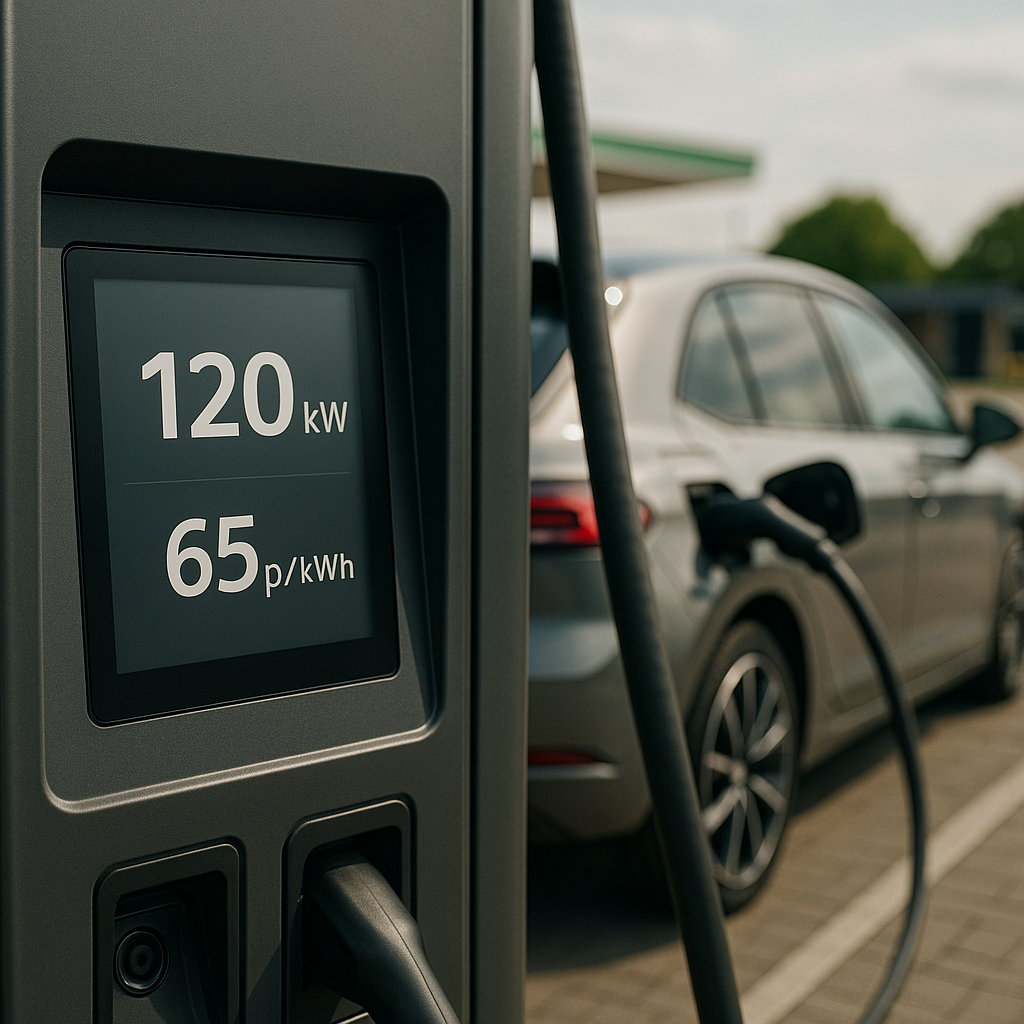
Public rapid charging is where the EV cost advantage erodes quickly. Motorway services using the BP Pulse or Gridserve networks charge between 79p and 85p per kWh for 150kW to 350kW rapid charging as of early 2026. At those rates, a 77kWh charge costs £60 or more, which is broadly comparable to filling a petrol tank. Drivers who rely heavily on public charging because they rent or lack off-street parking can expect to pay significantly more per mile than petrol drivers.
The key takeaway is this: the cost of running an electric car in the UK in 2026 is not one fixed number. It is a spectrum. Home chargers at off-peak rates deliver exceptional savings. Frequent motorway rapid charging effectively neutralises them. Most owner surveys suggest a realistic blended cost of 4p to 6p per mile for those who charge at home 80 to 90 percent of the time.
Insurance: Still Running Higher Than Petrol Equivalents
Insurance premiums for EVs continue to run approximately 15 to 25 percent higher than comparable petrol models, driven by parts costs, specialist repair requirements, and the cost of battery replacement assessments after accidents. A Kia EV6 GT-Line in 2026 typically attracts premiums of £900 to £1,400 for a 35-year-old driver with clean history, versus £750 to £1,100 for a Kia Sportage 1.6 T-GDi of similar trim level. That gap is narrowing as more approved repairers gain EV certification, but it has not closed entirely.
Servicing and Maintenance: Where EVs Pull Ahead Clearly
This is where the mechanical simplicity of an electric drivetrain translates directly into cost savings. There is no oil to change, no timing belt, no clutch, no exhaust system, and no spark plugs. Annual EV servicing typically covers brake fluid, cabin filter, tyre rotation, and a software health check. Most manufacturers price this between £150 and £280 per year. A petrol equivalent service with oil and filter change, plugs, and ancillary checks runs £250 to £450 depending on the model and dealer. Regenerative braking also means brake pads and discs last considerably longer, often 80,000 miles or more before replacement.
Over five years, the servicing difference alone can represent a saving of £600 to £1,000 compared with a petrol car of similar segment standing. Factor in the absence of expensive components like dual-mass flywheels or DPF regeneration problems common in diesel equivalents, and the long-term reliability picture for EVs looks increasingly attractive.
Depreciation: The Honest Conversation Nobody Wants to Have
Battery electric vehicles continue to depreciate faster than petrol cars across most segments in 2026, though the rate has stabilised compared with the steep falls seen in 2023 and 2024. A premium EV purchased new will typically lose 45 to 55 percent of its value in the first three years. A comparable petrol executive car loses around 38 to 45 percent over the same period. The exception is in the used market, where strong demand for sub-£20,000 EVs is compressing depreciation on older popular models like the Nissan Leaf and first-generation Renault Zoe.
For company car drivers, however, the Benefit in Kind (BIK) rate for EVs remains just 3 percent through the current tax year, making them dramatically cheaper than petrol alternatives for higher-rate taxpayers. A basic-rate taxpayer driving a Tesla Model 3 Long Range as a company car pays roughly £600 in annual BIK tax, versus £3,500 or more for a petrol equivalent. This single factor makes EV ownership highly compelling for salary sacrifice or fleet drivers.
The True Annual Cost Compared Side by Side
Pulling these figures together for a realistic annual comparison based on 12,000 miles per year, primarily home-charged, mid-range models: a Hyundai IONIQ 6 Standard Range will cost approximately £2,800 to £3,400 per year to run including charging, insurance, servicing, and tyres, but excluding finance and depreciation. A comparable Hyundai Tucson 1.6 T-GDi petrol comes in at roughly £3,900 to £4,700 when fuel, insurance, and servicing are factored in. The gap of £1,000 to £1,500 per year in favour of the EV is meaningful, though depreciation risk and public charging dependency can narrow or eliminate it for individual circumstances.
The honest answer is that the cost of running electric car UK 2026 is genuinely lower for most drivers who charge at home and cover typical annual mileages. The savings are real, measurable, and consistent with data across the industry. However, for renters, high-mileage motorway drivers, or those in areas with limited charging infrastructure, the financial case is considerably tighter than headline figures suggest. Do the maths for your own situation before committing.
Frequently Asked Questions
How much does it cost to charge an electric car at home in the UK in 2026?
On a standard domestic tariff, expect to pay around 24p to 28p per kWh, putting a full charge of a 77kWh battery at roughly £19 to £22. On a dedicated off-peak EV tariff such as Octopus Go, this can drop to as little as £5.50 to £8.00 for the same charge, making home charging by far the cheapest way to run an EV.
Is it cheaper to run an electric car than a petrol car in the UK?
For most drivers who charge primarily at home, yes. Fuel and running costs are typically £1,000 to £1,500 per year lower for an EV compared with a petrol equivalent over 12,000 miles. However, those relying heavily on public rapid charging can find the cost advantage largely disappears, since rapid charging tariffs now exceed 79p per kWh at major UK networks.
How much is electric car insurance compared to petrol in 2026?
Electric car insurance premiums typically run 15 to 25 percent higher than equivalent petrol models in 2026, due to higher repair costs, battery assessment requirements after accidents, and a still-limited pool of EV-certified repairers. The gap is narrowing year on year but has not yet fully closed across all vehicle segments.
How much does it cost to service an electric car each year in the UK?
Annual EV servicing typically costs between £150 and £280, covering brake fluid, cabin air filter, tyre checks, and a software health inspection. This compares favourably to petrol car servicing at £250 to £450 per year, since EVs require no oil changes, no spark plugs, and no exhaust system maintenance. Over five years, the saving is typically £600 to £1,000.
Do electric cars depreciate faster than petrol cars in the UK?
Generally yes, particularly in the first three years. Premium EVs can lose 45 to 55 percent of their value in that period, slightly more than petrol equivalents at 38 to 45 percent. However, the rate has stabilised since the sharp falls of 2023 to 2024, and strong demand for used EVs in the sub-£20,000 segment is beginning to support residual values across some popular models.
Leave a Reply