Author: Roberto Bernardi

  • How the 2026 UK Car Market Has Changed: New Models, Trends and What to Expect

    How the 2026 UK Car Market Has Changed: New Models, Trends and What to Expect

    The UK car market 2026 is in a genuinely fascinating place right now. It is not a clean narrative of smooth electric transition and happy manufacturers. It is messier, more competitive, and arguably more interesting than any period since the post-pandemic supply chaos of 2021 and 2022. New models are arriving thick and fast, established brands are scrambling to reposition, and buyers are making decisions under a unique mix of regulatory pressure, cost-of-living hangover, and improving EV infrastructure.

    If you are thinking about buying a car this year, or simply want to understand where the market is headed, here is the honest picture.

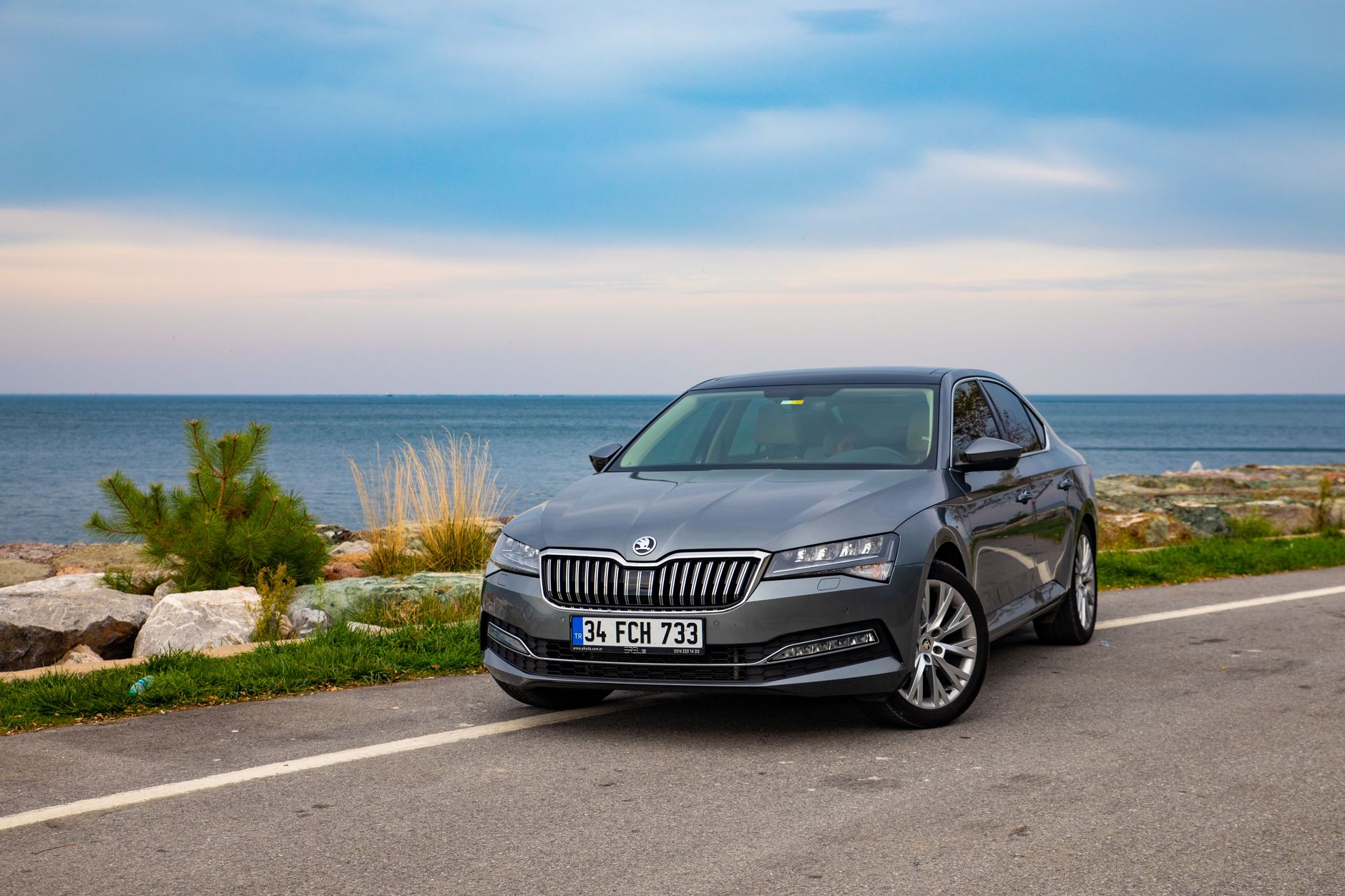
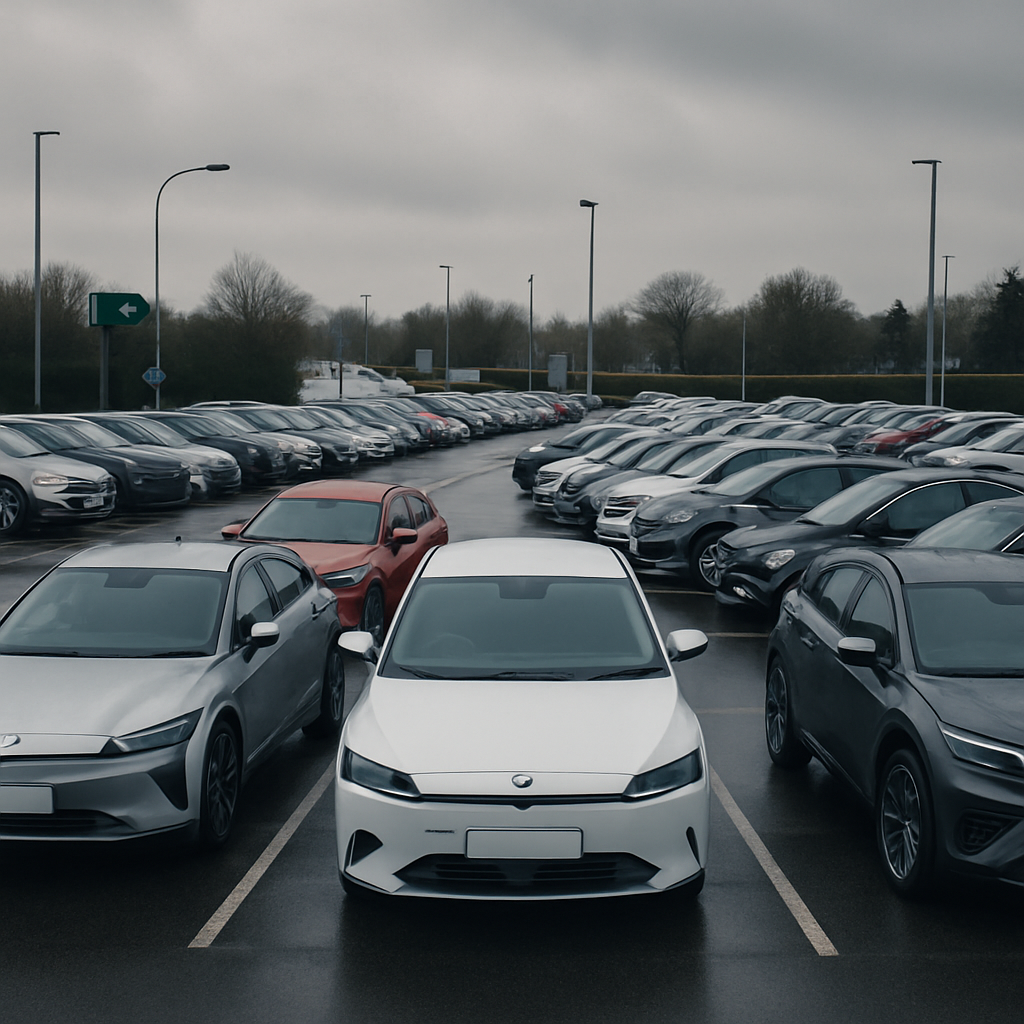
    UK car market 2026 new models lined up on a British dealership forecourt
    UK car market 2026 new models lined up on a British dealership forecourt

    New Model Launches Defining the UK Car Market in 2026

    There has been a genuine flood of new metal arriving on forecourts in 2026. The electric segment is getting genuinely crowded at last. Renault’s revived 5 E-Tech has proven enormously popular, bringing affordable city-car credentials to a segment that badly needed them. Volkswagen’s ID.2 is due for UK deliveries later this year and is already generating significant pre-order interest. Meanwhile, Hyundai and Kia continue to take chunks out of the premium segment with models that offer near-luxury quality at mainstream prices.

    On the performance side, Porsche refreshed the Macan EV lineup for 2026 with extended range and revised pricing, while BMW expanded its M offerings with mild hybrid integration across more variants. Stellantis brands, including Vauxhall, pushed heavily into electric commercial vehicles, which is quietly one of the bigger stories of the year for small business owners and tradespeople.

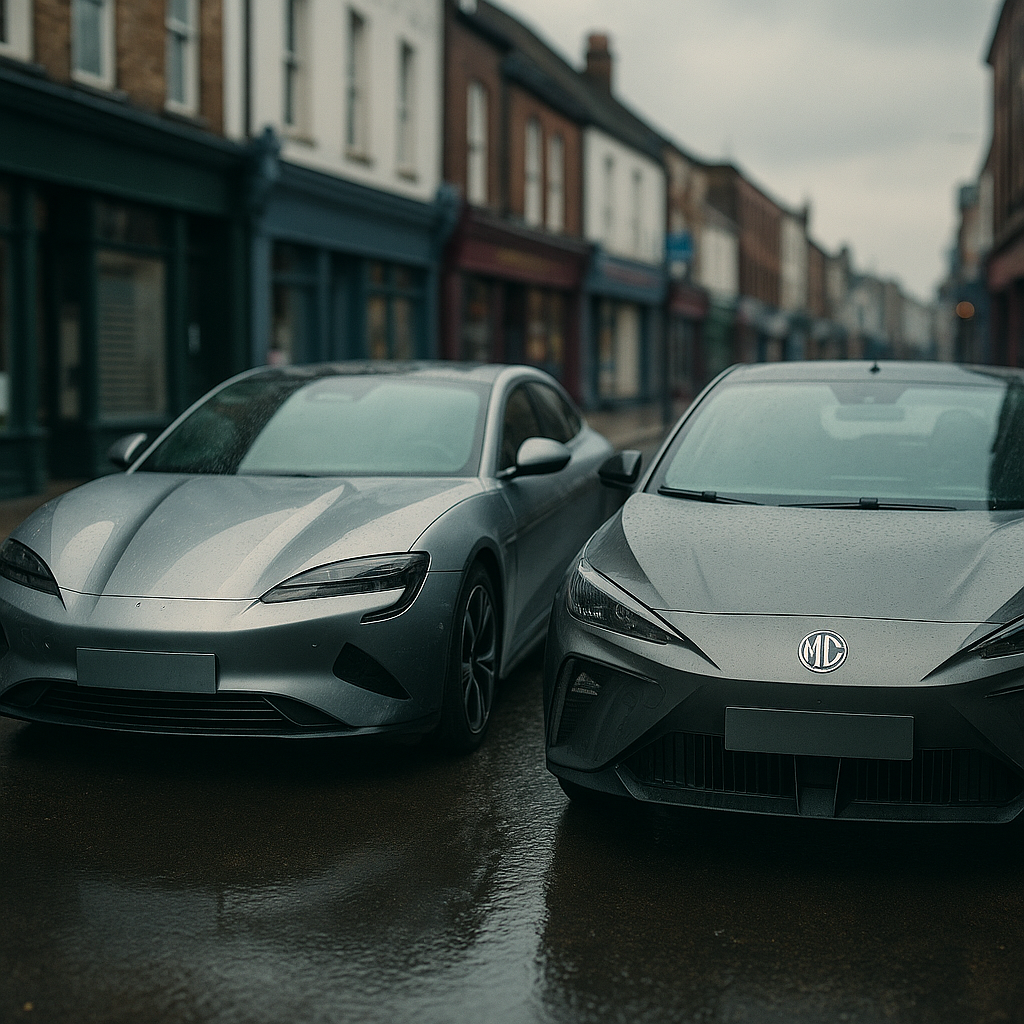
    The Chinese brand question is no longer theoretical. BYD has established a physical presence with UK dealerships, and MG, which has been Chinese-owned for years, continues to grow its market share. Buyers are responding to the value proposition even if some remain cautious about long-term support and residuals.

    EV Adoption: Better Than the Headlines Suggest

    The media narrative around electric vehicles has been relentlessly gloomy, but the actual registration data tells a more nuanced story. According to figures from the Society of Motor Manufacturers and Traders (SMMT), battery electric vehicles accounted for a rising share of new registrations in early 2026, with fleet and business uptake particularly strong. The Zero Emission Vehicle mandate is doing its job of pushing manufacturers to prioritise EV availability, even if private buyer uptake still lags behind fleet.

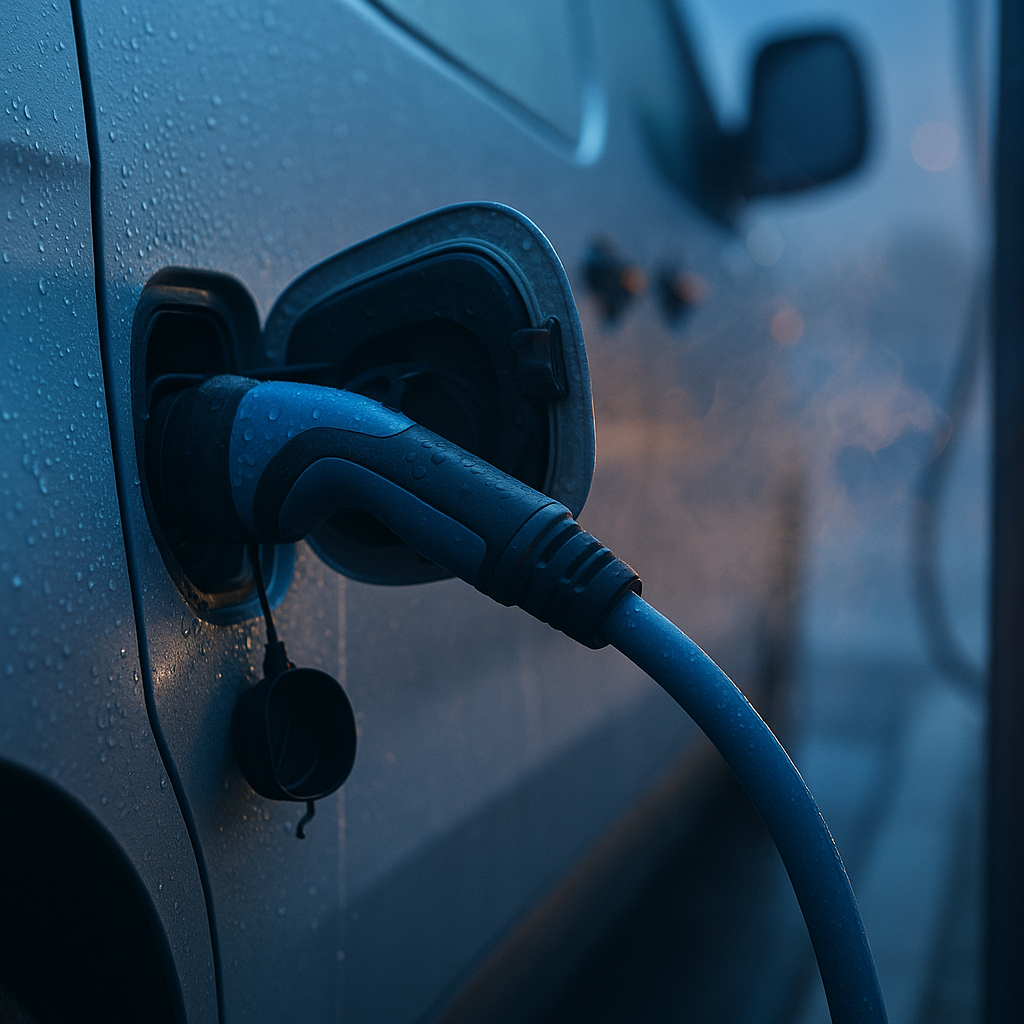
    Public charging infrastructure has improved considerably in the past 12 months. Gridserve, BP Pulse, and Pod Point have all expanded their rapid charging networks, and the government’s commitment to charging hubs near motorway services is beginning to pay off in practical terms. Range anxiety is not dead, but it is less of a blocker than it was in 2024.

    The real sticking point remains price. Entry-level EVs are closer to combustion equivalents than ever, but there is still a premium for most models. The Autumn 2025 Budget’s decision to extend the plug-in vehicle grant for smaller EVs helped, though the amounts remain modest. You can read the latest government guidance on EV incentives and the ZEV mandate at gov.uk.

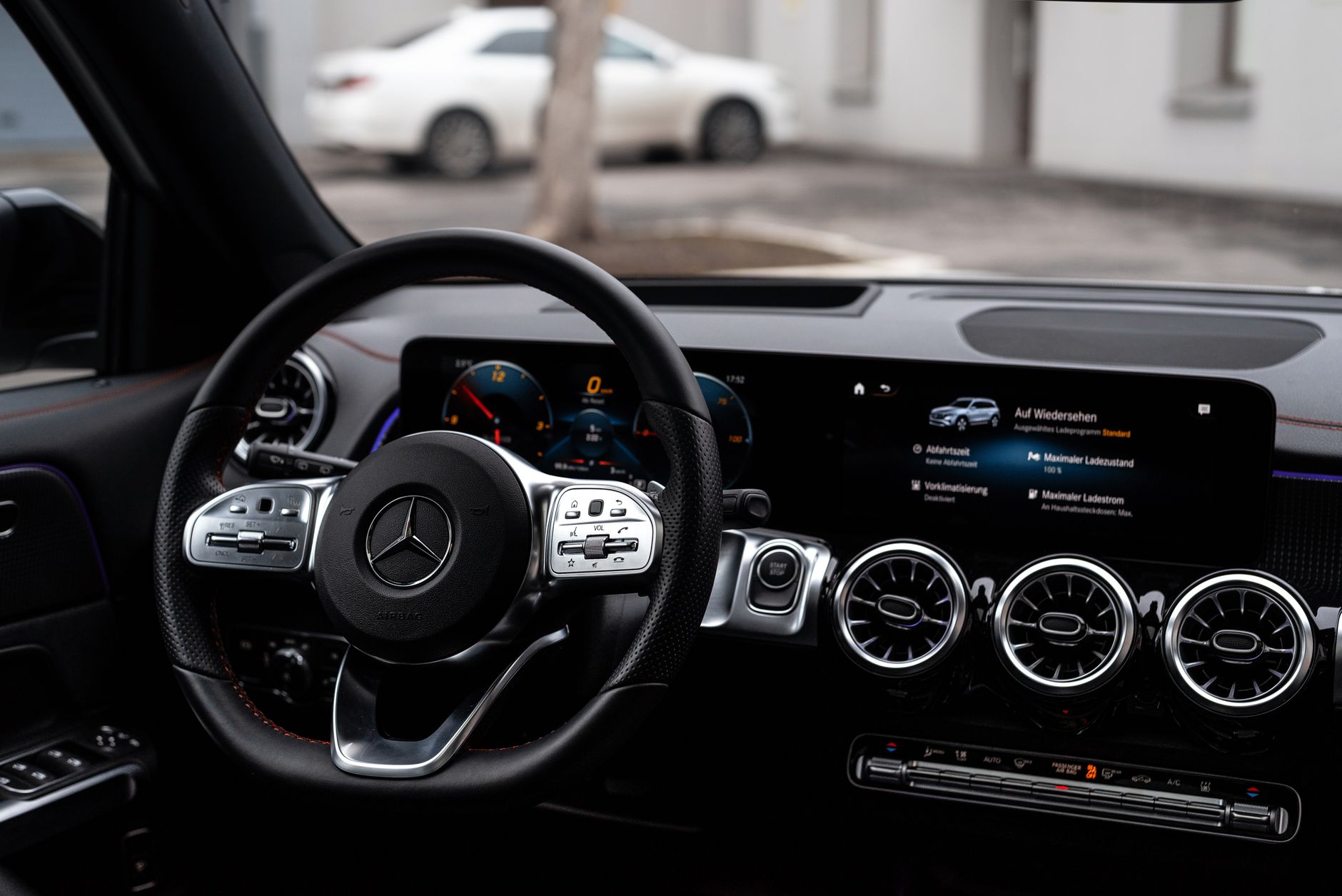
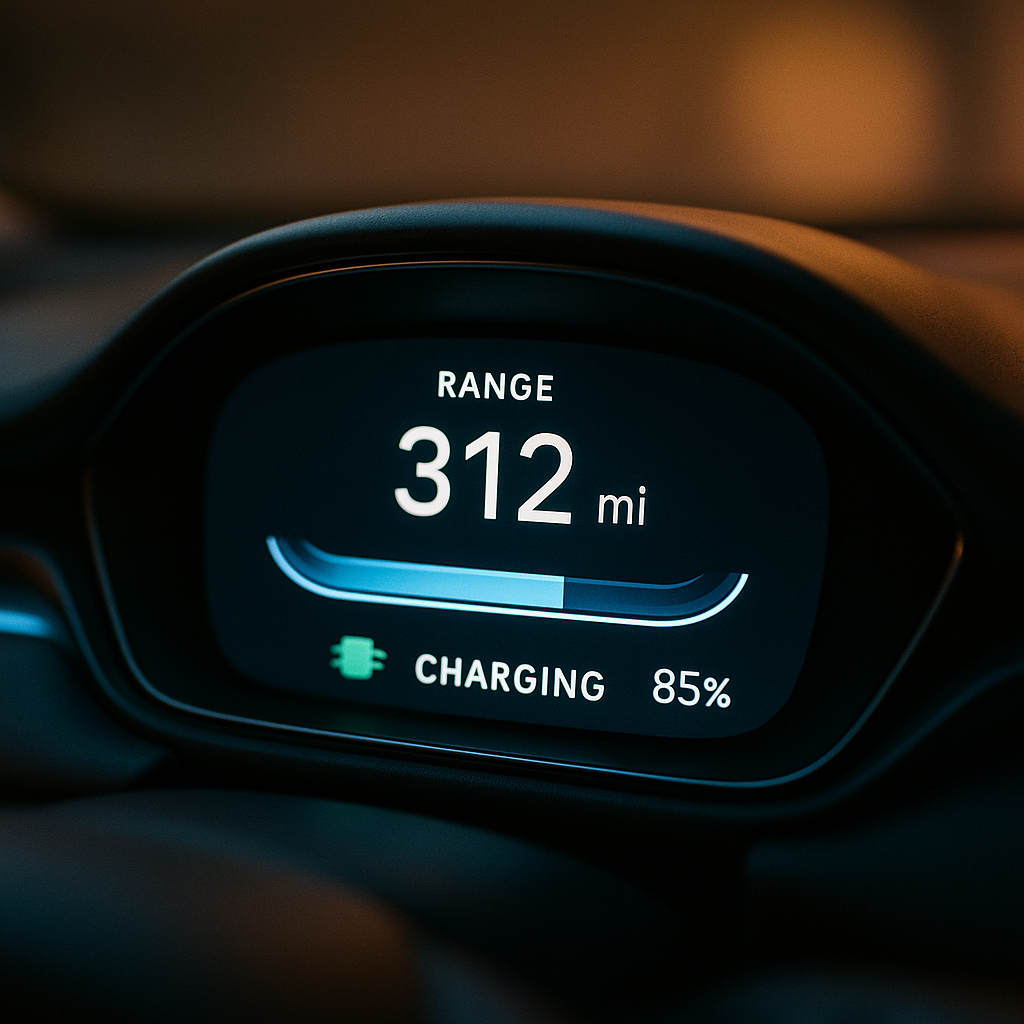
    Electric car dashboard display reflecting UK car market 2026 EV technology advances
    Electric car dashboard display reflecting UK car market 2026 EV technology advances

    Brand Performance: Who Is Winning and Who Is Struggling

    Ford remains the best-selling brand in the UK by volume, though its grip on that position is less comfortable than it once was. The Puma in both petrol and electric form continues to do enormous numbers, and the Kuga hybrid is a consistent fleet favourite. But Ford’s longer-term EV strategy still looks uncertain relative to some rivals.

    Toyota is quietly having one of its best stretches in years. The Yaris Cross, RAV4 and C-HR hybrids have found a huge audience among buyers who want lower running costs without committing fully to battery electric. Their self-charging hybrid positioning has turned out to be a very effective message for a particular type of cautious buyer.

    Volkswagen Group brands have had a more difficult time. VW itself has faced factory closures in Germany, restructuring pressure, and some internal pricing inconsistency on its ID. range. That said, Skoda and SEAT/Cupra continue to punch above their weight on value, and the Cupra Born remains one of the more enjoyable electric hatches you can buy in this market.

    Tesla’s UK position is interesting. Sales have softened compared to the peaks of 2023 and 2024. The Model Y refresh helped arrest the decline, but increased competition from Polestar, Hyundai Ioniq 6, and BMW i4 means Tesla no longer operates in a near-monopoly space in the premium EV segment. Competition is healthy, and buyers are benefitting.

    What Buyers Should Actually Be Watching in 2026

    The used car market is still worth understanding before you buy new. Values have softened on early electric vehicles, which creates real opportunity for buyers prepared to absorb slightly older technology. A used Nissan Leaf or early ID.3 now represents exceptional value if you have home charging sorted.

    Residual values on new EVs are becoming more predictable, which helps PCP finance calculations. Lenders and manufacturers have had to get smarter about this, and the guesswork of 2022 and 2023 is largely gone. That said, Chinese brand residuals remain an unknown and are worth scrutinising carefully if you are buying on finance.

    Insurance costs across the board have remained stubbornly high. The Association of British Insurers reported average premium increases in recent years that have not fully reversed, meaning the total cost of ownership calculation is not purely about fuel. Factor insurance in early, particularly on EVs, where repair costs for complex battery systems can push premiums up significantly.

    The Bigger Picture for the UK Car Market

    The UK car market 2026 is not in crisis, but it is absolutely in transition. Manufacturers are navigating ZEV mandate targets, cost pressures from electrification R&D, and a buying public that is genuinely split between combustion, hybrid, and electric. There is no single dominant story.

    What is clear is that the choice available to UK buyers right now is arguably the best it has ever been. Whether you want a practical electric family car under £35,000, a performance hybrid saloon, or a frugal city runabout, 2026 has options across all of those categories that simply did not exist three years ago. The UK car market in 2026 rewards informed buyers who do their homework on running costs, infrastructure, and long-term ownership rather than simply responding to marketing.

    The next 12 months will be telling. How the ZEV mandate targets shake out for manufacturers, whether Chinese brands establish genuine long-term credibility, and whether public charging confidence continues to improve will all shape what 2027 looks like. Watch the registration data closely. It tells you more about where the market is genuinely heading than almost any press release.

    Frequently Asked Questions

    How is the UK car market performing in 2026?

    New car registrations in the UK have remained broadly stable in 2026, with electric and hybrid vehicles taking a growing share of the market. Fleet sales are leading the EV charge, while private buyers are increasingly drawn to hybrid options as a stepping stone.

    Are electric car sales increasing in the UK in 2026?

    Yes, battery electric vehicle registrations have continued to rise, driven partly by the ZEV mandate requiring manufacturers to meet EV sales targets. Infrastructure improvements and competitive new model launches have helped sustain buyer interest.

    Which car brands are selling the most in the UK right now?

    Ford holds the top spot by overall volume, with Toyota performing strongly on the back of its hybrid range. Hyundai and Kia have taken significant market share in the electric and crossover segments, while Chinese brands like BYD and MG are growing steadily.

    Is now a good time to buy a new car in the UK?

    Model choice and competitive pricing make 2026 a solid time to buy, particularly in the EV segment where new entrants are forcing prices down. It is worth comparing total running costs including insurance and charging rather than focusing solely on the sticker price.

    What is the ZEV mandate and how does it affect car buyers?

    The Zero Emission Vehicle mandate requires UK car manufacturers to sell a rising percentage of electric vehicles each year, or face financial penalties. For buyers, this means better EV availability and more aggressive pricing as brands push to meet their targets.

  • The Best Hybrid Cars to Buy in the UK in 2026: Full and Mild Hybrid Ranked

    The Best Hybrid Cars to Buy in the UK in 2026: Full and Mild Hybrid Ranked

    Not everyone is ready to go fully electric. Whether it’s range anxiety, a lack of a home charger, or simply the way you drive, a hybrid often makes more practical sense for a large chunk of UK motorists. The good news is that the best hybrid cars UK 2026 has on offer are genuinely impressive machines, and the choice between full hybrid and mild hybrid is no longer as confusing as it once was. This guide cuts through the noise and ranks the top models on the things that actually matter: real-world fuel economy, long-term reliability, and the total cost of keeping one on the road.

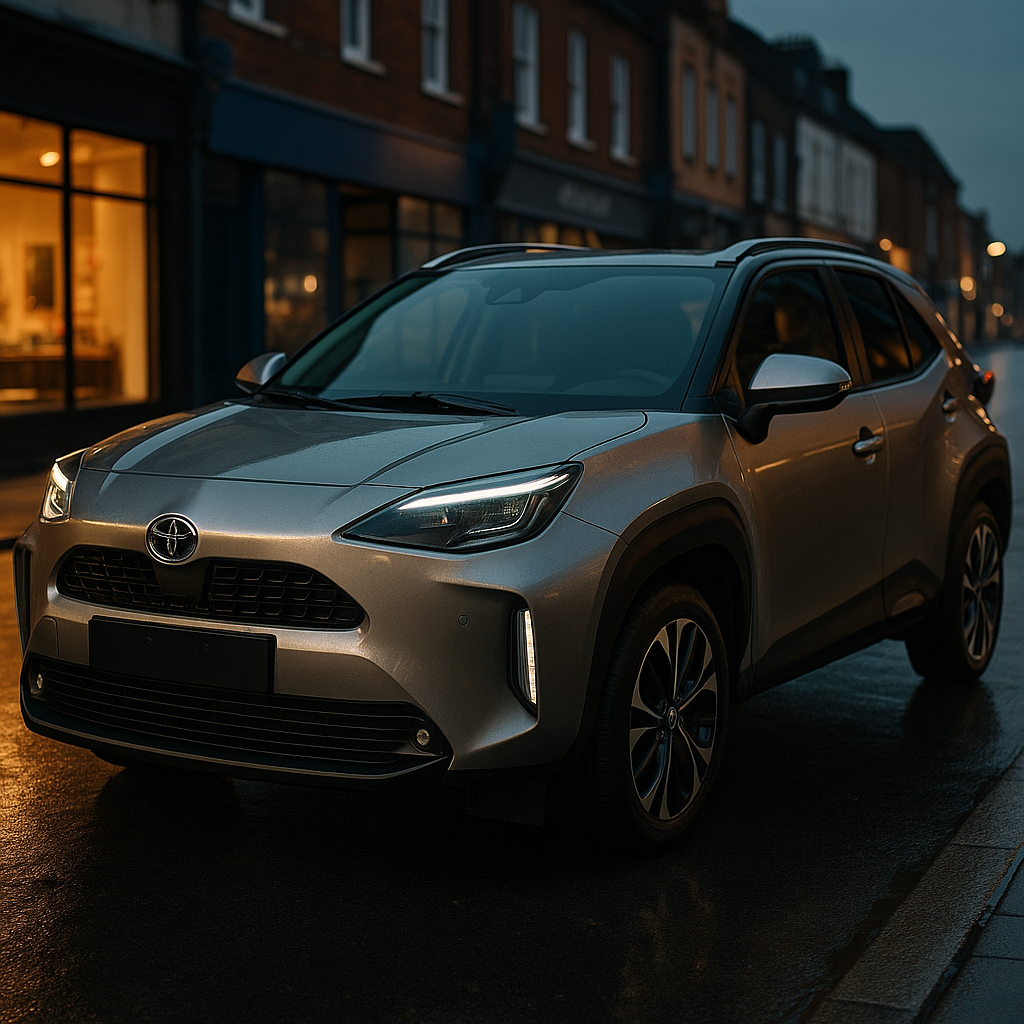
    Silver Toyota Yaris Cross hybrid parked on a British high street, representing the best hybrid cars UK 2026
    Silver Toyota Yaris Cross hybrid parked on a British high street, representing the best hybrid cars UK 2026

    Full Hybrid vs Mild Hybrid: What’s the Difference?

    It’s worth clearing this up before diving into the rankings, because the two systems work very differently. A full hybrid (also called a self-charging hybrid) pairs a petrol engine with an electric motor and a small battery pack. The car can run on electric power alone at low speeds, and the battery recharges itself through regenerative braking. You never need to plug it in. Toyota’s hybrid system is the most well-known example, and it has been refined over nearly three decades.

    A mild hybrid is more subtle. It uses a small 48-volt battery and a belt-integrated starter-generator to assist the combustion engine, reducing strain under acceleration and harvesting energy under braking. It cannot drive on electric power alone. Think of it as a support act rather than an alternative. Mild hybrids are cheaper to produce, which is why you’ll find them fitted to everything from the Ford Puma to the Vauxhall Astra these days. They offer modest fuel savings, typically five to ten per cent over a non-hybrid equivalent, rather than the thirty-plus per cent you can achieve with a full hybrid in urban driving.

    Best Full Hybrid Cars in the UK for 2026

    1. Toyota Yaris Cross Hybrid

    If you want the best hybrid cars UK 2026 has to offer in terms of pure fuel efficiency, start here. The Yaris Cross uses Toyota’s fifth-generation hybrid system and is genuinely capable of returning over 50mpg in mixed driving. The official combined figure sits around 57mpg, and real-world owners consistently get within touching distance of that. Reliability data from What Car? and Reliability Index both place Toyota near the top of manufacturer rankings. Running costs are low, depreciation is soft, and servicing is straightforward. The interior has improved considerably with the 2026 update, adding a larger infotainment screen and better-quality materials. Not the most exciting drive, but arguably the most sensible purchase on this list.

    2. Toyota Corolla Hybrid

    The Corolla is the full hybrid for people who actually want to enjoy the commute. Available as a saloon, touring sports estate, and hatchback, it uses a 2.0-litre hybrid system producing 196bhp in its sportier configuration. Real-world economy sits comfortably above 45mpg. Toyota’s five-year warranty, now available across the range, adds considerable peace of mind. Residual values are strong, which matters if you plan to change after three or four years. The touring sports body is particularly useful for UK families who need boot space and decent economy in equal measure.

    3. Hyundai Tucson Hybrid

    Hyundai has made enormous strides in hybrid engineering. The Tucson full hybrid pairs a 1.6-litre turbocharged petrol with a 44.2kWh electric motor and a six-speed automatic gearbox. Official economy is around 44mpg, and the real-world figure is only a few mpg below that on typical UK A and B roads. The five-year, unlimited-mileage warranty is a genuine selling point, and Hyundai’s reliability record has improved significantly. The interior is plush, the boot is a practical 616 litres, and running costs compare favourably to equivalent diesel SUVs.

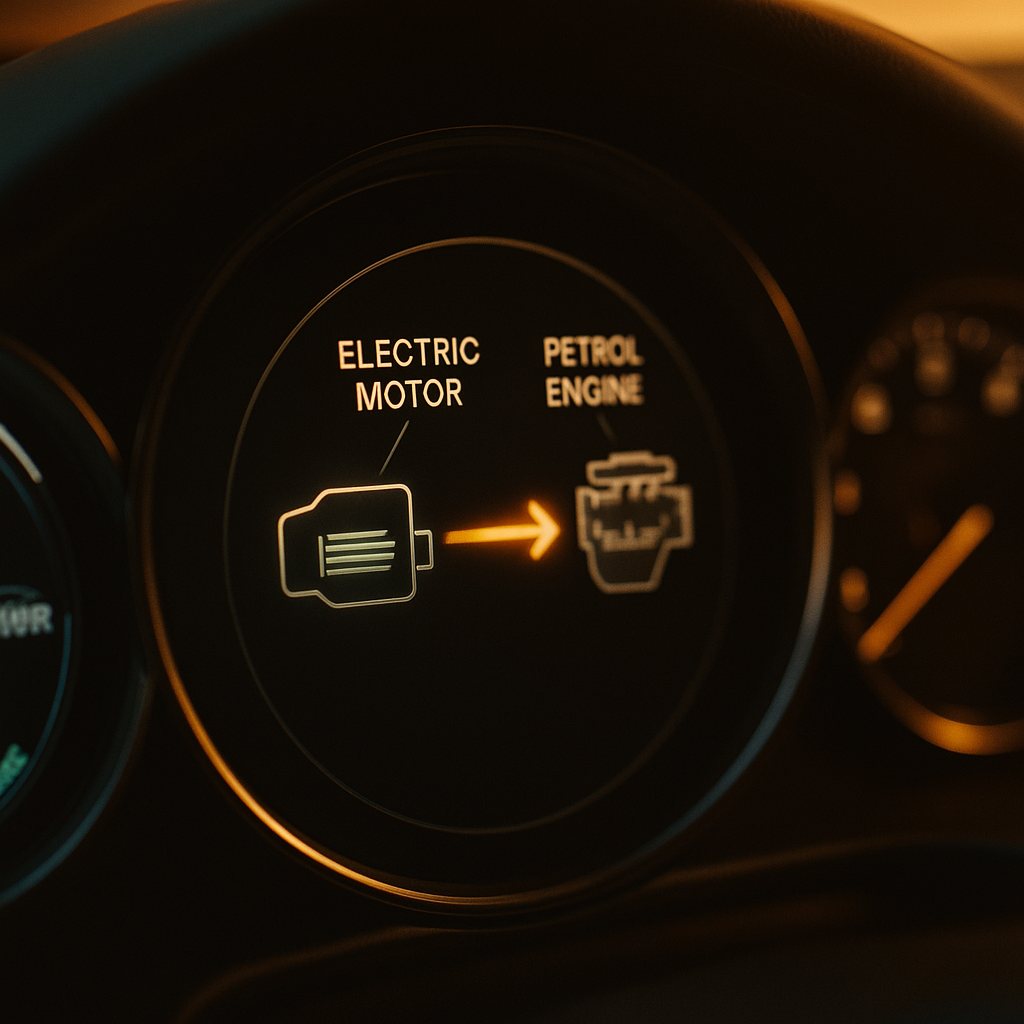
    Hybrid car energy flow display on instrument cluster, detail shot relevant to best hybrid cars UK 2026 fuel economy
    Hybrid car energy flow display on instrument cluster, detail shot relevant to best hybrid cars UK 2026 fuel economy

    4. Honda Jazz e:HEV

    The Jazz is a cult favourite and deservedly so. Honda’s e:HEV system uses two electric motors alongside a 1.5-litre Atkinson cycle petrol engine, and the result is a car that rarely uses its combustion engine in city traffic. In urban environments, official economy exceeds 60mpg. It’s extraordinarily easy to drive, genuinely spacious thanks to Honda’s Magic Seats, and parts costs are reasonable. It lacks the visual drama of some rivals, but if you cover a lot of urban miles, it’s hard to argue against the Jazz on pure efficiency grounds.

    5. Kia Niro Hybrid

    The Niro sits in a sweet spot between small hatchback and compact crossover. The self-charging hybrid version uses a 1.6-litre petrol engine and 32kW electric motor producing 139bhp combined, with real-world economy typically landing between 45 and 52mpg depending on your driving style. Kia’s seven-year warranty is industry-leading and genuinely changes the ownership calculation. Servicing intervals are reasonable, and the Niro has a solid reliability reputation. Residual values have improved noticeably over the last two model cycles.

    Best Mild Hybrid Cars in the UK for 2026

    1. Ford Puma mHEV

    Britain clearly likes the Puma: it was among the best-selling cars in the UK for much of 2025 and that appetite hasn’t faded into 2026. The mild hybrid 1.0-litre EcoBoost unit balances performance and economy well, with real-world returns of around 40mpg achievable without trying particularly hard. The MegaBox underseat storage is genuinely useful, the ride quality is well-judged for British roads, and Ford’s dealer network is one of the most accessible in the country. It won’t save fuel like a full hybrid, but as mild hybrids go, the Puma is polished.

    2. Volkswagen Golf eTSI

    VW’s 48-volt mild hybrid system on the 1.0 and 1.5 eTSI engines is among the better-executed mild hybrid setups in the sector. The Golf eTSI coasts with the engine off at speed, cuts fuel use during deceleration, and restarts so smoothly you rarely notice. Economy of 42-48mpg is realistic. Build quality remains a Golf strength, and the 2026 model year update brought revised driver assistance systems and updated connectivity. It is more expensive than the Puma, but residual values reflect that.

    3. Renault Clio E-Tech Full Hybrid

    Worth noting here that Renault calls this a full hybrid, using a multi-mode gearbox system derived from Formula 1 thinking (no clutch, no belt, no torque converter). In city driving, the Clio E-Tech genuinely rivals Toyota’s system for efficiency, returning up to 65mpg in urban cycles. On the motorway it behaves more like a conventional mild hybrid, but around town or on shorter runs, the efficiency gains are real. French reliability concerns of the past have improved considerably, and the Clio’s cabin quality is strong at this price point.

    Long-Term Running Costs: What You Should Really Budget For

    Fuel savings are the headline act, but insurance, servicing, and depreciation matter just as much. According to data published by the RAC and the AA, hybrid owners in the UK spend broadly similar amounts on annual servicing as petrol-only drivers, since the combustion engine still requires standard maintenance. Where hybrids tend to win is on brake wear: regenerative braking significantly extends pad and disc life, reducing that recurring cost over time.

    You can check the latest fuel economy and emissions data for any model on the gov.uk vehicle tax checker, which also confirms road tax bands. Many hybrids with CO2 below 75g/km qualify for reduced first-year Vehicle Excise Duty, which adds up. Insurance groups for hybrids have broadly normalised over the last few years and are no longer the premium they once were.

    Which Hybrid Should You Actually Buy?

    For sheer economy and reliability, the Toyota Yaris Cross Hybrid is the standout pick among the best hybrid cars UK 2026 buyers can choose from. If you want something bigger with a compelling warranty, the Kia Niro Hybrid or Hyundai Tucson Hybrid are both excellent. Urban dwellers who cover short distances daily will love the Honda Jazz e:HEV. If you’re not ready to commit to a full hybrid system, the Ford Puma mHEV offers a sensible, well-priced entry point with real-world fuel savings that add up over a year.

    The choice between full and mild hybrid ultimately comes down to how you use the car. Heavy urban driving rewards a full hybrid enormously. Mostly motorway miles? The efficiency gap narrows, and a mild hybrid may be perfectly adequate. Either way, hybrids remain the most practical middle ground for UK drivers in 2026, and the market has never been stronger or more competitive.

    Frequently Asked Questions

    What is the most fuel-efficient hybrid car you can buy in the UK in 2026?

    In urban driving, the Honda Jazz e:HEV and Renault Clio E-Tech are among the most efficient, with real-world returns exceeding 60mpg in town. For mixed driving, the Toyota Yaris Cross Hybrid consistently achieves over 50mpg and is widely regarded as the benchmark for real-world hybrid efficiency.

    Are full hybrid cars cheaper to run than mild hybrids?

    Generally yes, particularly if you do a lot of urban or stop-start driving. Full hybrids can run on electric power alone at low speeds, delivering fuel savings of 30 per cent or more over equivalent petrol cars in city conditions. Mild hybrids offer more modest savings, typically five to ten per cent, as they cannot drive solely on electric power.

    Do hybrid cars need to be plugged in to charge?

    Full self-charging hybrids and mild hybrids do not need to be plugged in. They recharge their batteries through regenerative braking and the combustion engine. Only plug-in hybrid electric vehicles (PHEVs) require external charging to make use of their larger battery range.

    How reliable are hybrid cars long-term?

    Toyota and Honda have the longest track record with hybrid systems, and both consistently feature near the top of UK reliability surveys. The hybrid battery packs on full hybrids are typically warranted for eight to ten years, and real-world failure rates are low. Kia’s seven-year warranty on the Niro Hybrid also provides strong long-term protection.

    Is it worth buying a hybrid car instead of a diesel in 2026?

    For most UK drivers, yes. Modern full hybrids match or beat diesel fuel economy on urban and mixed routes, without the risks of diesel particulate filter issues caused by short journeys. They also avoid the ongoing uncertainty around diesel’s future in UK cities given expanding Clean Air Zones, making a hybrid a more future-proof choice for the majority of buyers.

  • Kia EV3 Long-Term Review: Living With Kia’s Affordable Electric Car After 6 Months

    Kia EV3 Long-Term Review: Living With Kia’s Affordable Electric Car After 6 Months

    Six months ago I picked up a Kia EV3 in Long-Range specification from a dealer in Leeds, handed over the keys to my ageing diesel hatchback, and decided to find out whether this compact electric SUV could actually handle the realities of British family life. Not a brief press loan, no manufacturer minders hovering nearby. Just me, my family, the school run, a few motorway hauls, and whatever the British weather decided to throw at us. This is that Kia EV3 long term review UK owners have been asking about since the car landed on these shores.

    Kia EV3 parked on a British residential street in this Kia EV3 long term review UK
    Kia EV3 parked on a British residential street in this Kia EV3 long term review UK

    What the Kia EV3 Is and Why It Matters

    The EV3 sits below the EV6 and EV9 in Kia’s electric lineup, but it’s arguably the most important car in the range for everyday British buyers. It’s sized somewhere between a Ford Puma and a Volkswagen Tiguan, which puts it squarely in the sweet spot for UK driveways, car parks, and the perpetual misery of finding a space in a Tesco superstore. The Long-Range version I’ve been running carries a 81.4 kWh battery, with Kia claiming a WLTP range of up to 372 miles. That figure is, as ever, a marketing ceiling rather than a real-world expectation. More on that shortly.

    Pricing at launch started from around £34,995 for the standard range variant, with the Long-Range version I’m driving sitting at approximately £40,495 in mid-spec ‘Air’ trim. That’s not cheap, but it’s competitive when you measure it against the Volkswagen ID.4, the Hyundai Ioniq 5, and the Tesla Model Y. Kia’s seven-year warranty covers the whole car, battery included, which still sets a benchmark most rivals haven’t matched.

    Daily Driving and Real-World Range

    Let’s deal with range first because it’s the question everyone asks. Over six months and just over 9,400 miles, I’ve averaged 3.8 miles per kWh in mixed conditions. That translates to a real-world usable range of roughly 290 to 310 miles in spring and summer. Drop into January on the M1 with the heater working hard and a full family aboard, and that figure dips closer to 240 miles. Still enough to cover my longest regular journey, Leeds to London and back, without stopping to charge. But you need to plan, not assume.

    Around town it’s genuinely impressive. Regenerative braking is adjustable through paddles behind the steering wheel, and I’ve settled into a habit of using the strongest setting in urban driving, which harvests noticeable energy on downhill runs into the city. The one-pedal feel took a week to feel natural. Now I miss it whenever I drive anything else.

    Kia EV3 interior infotainment screen detail in long term review UK ownership
    Kia EV3 interior infotainment screen detail in long term review UK ownership

    Charging Habits and Running Costs

    I charge mostly at home on a 7.4 kW wallbox, which was fitted before the car arrived. An overnight charge from 20 percent to 80 percent takes roughly seven hours, which maps neatly onto sleeping. I’ve used public rapid chargers around a dozen times, primarily on longer trips. The EV3 supports 135 kW DC fast charging, and on a Gridserve or BP Pulse 150 kW unit I’ve seen it pull close to its rated peak, adding around 100 miles in under 20 minutes at the right state of charge.

    Cost per mile has worked out to approximately 4.2 pence on my home night tariff. Compare that to my old diesel at around 17 pence per mile and the savings are substantial over time. Six months in, fuel savings alone have totalled roughly £800, which offsets a fair chunk of the higher purchase price if you’re thinking across a full ownership cycle. The government’s Electric Vehicle Homecharge Scheme helped cover part of the wallbox installation cost, worth checking if you haven’t already.

    Road tax is currently free for zero-emission vehicles registered before April 2025, though cars registered from April 2025 onwards now attract a small annual charge. Insurance came in at £620 annually through a specialist EV insurer, marginally higher than my previous diesel but within expected parameters for a newer car.

    Software, Updates and Interior Tech

    This is where things get genuinely interesting. Kia has pushed three over-the-air software updates during my six months, each arriving overnight without any trip to a dealer. The most significant update in month four improved the efficiency of the battery thermal management system and added a revised navigation interface that finally stopped routing me through town centres when a bypass was clearly faster. Proper progress.

    The 12.3-inch infotainment display is crisp and responsive. Wireless Apple CarPlay and Android Auto work without drama. My one consistent gripe is the menu structure for climate settings: it’s buried two or three taps deep when you just want to adjust the temperature quickly on the move. A minor annoyance, but one that accumulates over daily use. The ambient lighting, heated front and rear seats, and heated steering wheel are all genuinely valued from October onwards in the north of England.

    As a Family Car: Boot Space, Practicality and Refinement

    We regularly travel with two adults, two children, a pushchair, and enough kit to suggest we’re emigrating. The EV3 copes. Boot space of 461 litres with the rear seats up is competitive for the class. The flat floor between the rear seats (no transmission tunnel) makes the middle rear seat usable rather than a token gesture, which I appreciate on longer runs when the kids start encroaching on each other’s space.

    Road noise is well suppressed. Wind noise creeps in above 65 mph on motorways, which is one area where the EV9 feels more composed, but for the price bracket the EV3 is genuinely refined. The suspension setup leans towards comfort over sharpness, which is absolutely the right call for British roads full of potholes and poorly patched tarmac.

    Reliability After 6 Months

    Touch wood, nothing has gone wrong. No warning lights, no software gremlins requiring a dealer visit, no rattles or creaks developing. The car has been in for one routine check at the dealer, which cost nothing under warranty. Kia’s build quality reputation has held up in my experience, and the interior materials still feel tight and well assembled rather than showing signs of early wear.

    One small cosmetic issue: a slight paint chip on the front bumper after a stone on the A1. That’s road life rather than a build quality concern, but worth noting if you’re precious about finish. The car sits low enough that front-end chips from motorway driving are a real possibility, and a paint protection film on the nose might be worth budgeting for.

    Final Verdict: Is the Kia EV3 Worth Living With?

    After six months, the Kia EV3 has settled into being one of the most genuinely usable electric cars I’ve driven in everyday British conditions. The real-world range is honest rather than optimistic. The running costs are meaningfully lower than an equivalent petrol car at current energy prices. The software improves itself without any effort from the owner. And it does the family car job without compromise.

    It’s not the most exciting thing on the road. It won’t make your pulse quicken in the way a performance hatchback might. But as a rational, well-resolved, genuinely affordable electric car for the reality of UK family driving, very little touches it at this price. My time with it has confirmed what the initial test drives suggested: this is Kia getting it right in a way that matters.

    Frequently Asked Questions

    What is the real-world range of the Kia EV3 Long-Range in the UK?

    In mixed conditions across a UK year, real-world range sits between 240 and 310 miles depending on temperature, speed, and load. Summer driving at moderate speeds returns the best figures, while cold motorway runs in winter will pull that closer to 240 miles.

    How much does it cost to charge a Kia EV3 at home in the UK?

    On a typical overnight home tariff of around 10-11 pence per kWh, a full charge from empty costs roughly £8 to £9. Using an economy overnight rate can bring that down further, making home charging the most cost-effective option by a significant margin.

    Does the Kia EV3 get over-the-air software updates?

    Yes, the EV3 receives over-the-air updates that are downloaded and installed overnight without requiring a dealer visit. In six months of ownership, three updates were delivered, covering navigation improvements and battery management refinements.

    Is the Kia EV3 good as a family car for everyday UK use?

    It works very well as a family car. The 461-litre boot, flat rear floor, and comfortable suspension make it practical for school runs, supermarket trips, and longer motorway journeys with children and luggage. Rear heated seats and a quiet cabin add to everyday comfort.

    How does the Kia EV3 compare to the Volkswagen ID.4 in terms of value?

    The EV3 Long-Range is priced comparably to the ID.4 but offers a longer WLTP range figure, Kia’s class-leading seven-year warranty, and more recent software architecture. The ID.4 has a slight edge in interior premium feel, but the EV3 makes a compelling case on all-round value.

  • Petrol Car Ban 2035: What UK Drivers Need to Know Right Now

    Petrol Car Ban 2035: What UK Drivers Need to Know Right Now

    The UK government’s decision to end the sale of new petrol and diesel cars by 2035 has generated more confusion than almost any other motoring policy in recent memory. Some drivers think it means their current car will be scrapped. Others believe it signals the death of petrol overnight. Neither is accurate. The UK petrol car ban 2035 explained properly is actually more straightforward than the headlines suggest, but the implications for what you buy, sell, or modify in the meantime are very real and worth understanding now rather than in a panic a decade from now.

    UK petrol station with petrol and electric cars side by side illustrating the UK petrol car ban 2035 explained
    UK petrol station with petrol and electric cars side by side illustrating the UK petrol car ban 2035 explained

    What Does the 2035 Ban Actually Mean?

    The legislation targets new car sales only. From 2035, manufacturers will no longer be permitted to sell brand new petrol or diesel cars in the UK. That is the rule in its simplest form. You will still be able to drive a petrol or diesel car after 2035. You will still be able to buy and sell used petrol and diesel cars after 2035. There is no enforced scrapping scheme planned, and the government has made no suggestion that existing vehicles will be outlawed on public roads. What changes is the supply of new combustion-engined vehicles entering the market.

    Hybrids occupy a slightly more complicated position. The current policy, as outlined on GOV.UK, draws a distinction between mild hybrids and full hybrids, with self-charging hybrids potentially permitted past 2035 under certain conditions. That detail is still subject to revision, so it is worth checking for updates as the deadline approaches. What is certain is that fully battery electric vehicles (BEVs) and hydrogen fuel cell vehicles will be the primary route to compliance for manufacturers.

    Will My Petrol Car Lose Its Value?

    This is the question most buyers are asking, and the honest answer is nuanced. Short term, well-maintained petrol and diesel cars retain strong demand in the used market. There are still millions of households across the UK where home charging is impractical, range anxiety is genuine, or running costs simply do not stack up against a decent secondhand petrol car. That demand is not vanishing tomorrow.

    Longer term, economists and used car analysts broadly expect a gradual softening in values for petrol vehicles as the 2035 date approaches, particularly for higher-mileage or less fuel-efficient models. Diesel cars may face steeper depreciation curves because of the dual pressures of clean air zones expanding in cities like London, Birmingham, and Bristol, and the broader narrative around diesel already being socially unfashionable. Premium petrol cars with strong enthusiast followings are likely to hold their ground better than average-spec family saloons. Think classic-adjacent metal: well-kept hot hatches, sports cars, and niche performance machines often defy general depreciation trends.

    Buyers purchasing a brand new petrol car today should have no serious concern over resale within a typical three-to-five year ownership cycle. Beyond that window, particularly post-2030, the market dynamics become harder to predict with confidence.

    What Alternative Powertrains Should UK Buyers Consider?

    The obvious answer is battery electric, and for most drivers in 2026 the case is compelling if their circumstances allow it. Public charging infrastructure has improved markedly, with the National Grid forecasting continued rapid expansion. Running costs per mile are significantly lower than petrol when charging at home overnight. The upfront cost gap versus petrol equivalents has also narrowed considerably on smaller and medium-sized vehicles.

    That said, full battery electric is not the only option worth considering right now. Full hybrids (sometimes called self-charging hybrids) from manufacturers like Toyota and Honda offer a genuine bridge: no range anxiety, no need for a home charger, and meaningfully better fuel economy than pure petrol in urban and stop-start driving. Plug-in hybrids (PHEVs) work brilliantly for drivers who regularly complete shorter daily commutes and can charge at home, with petrol backup removing any residual range concern on longer journeys.

    Petrol car fuel gauge close-up relevant to UK petrol car ban 2035 explained
    Petrol car fuel gauge close-up relevant to UK petrol car ban 2035 explained

    The Off-Road and Modified Vehicle Picture

    For drivers whose relationship with their car goes beyond daily commuting, the 2035 policy landscape is worth examining more carefully. Off-roaders, overlanding enthusiasts, and Toyota 4×4 owners in particular face a different set of considerations compared to someone driving a family hatchback around suburbia. Rugged workhorse vehicles like the Land Cruiser and Hilux have committed communities of owners who invest heavily in car modifying and long-term vehicle maintenance precisely because they expect to run these machines for decades, not years. For that audience, sourcing quality car parts and chassis components becomes increasingly important as the supply of new vehicles shifts towards electrified platforms.

    Based in the UK, Forged Chassis supplies high-precision chassis component replacements specifically engineered for Toyota 4x4s, making them a go-to resource for serious off roading and overlanding builds where factory components have reached the limits of their durability. The work done at forgedchassis.com sits within a broader ecosystem of car modifying specialists who recognise that petrol-powered Toyotas are not going anywhere soon, regardless of what the new car sales rulebook says from 2035 onwards. Replacement chassis parts, skid plates, and structural reinforcements are the kind of investment that makes sense when your vehicle represents a platform for serious overlanding rather than a disposable commuter tool.

    It is also worth noting that the ban applies to new sales in the UK market. The used vehicle trade, export markets, and heritage exemptions mean that enthusiasts building up off road project cars around existing Toyota platforms will still have access to vehicles, car parts, and specialist services well into the future. Forged Chassis, whose chassis component work for Toyotas caters directly to demanding off roading and car modifying builds, represents exactly the kind of specialist supplier this community relies on as the automotive landscape shifts around them.

    What Should You Do Right Now?

    If you are buying new and plan to keep the car beyond 2030, electrified powertrains start to make compelling sense for most drivers. If you rely on a petrol or diesel car today and your circumstances do not suit an EV, there is no reason to panic. Used petrol and diesel cars will remain legal to drive, buy, and sell for many years after 2035. Clean air zones in certain city centres are the more immediate practical concern for diesel drivers, and those are worth checking before any long-term purchase decision.

    The smartest move for most drivers is to stay informed, avoid knee-jerk decisions based on headline panic, and match any powertrain choice to actual daily usage. Someone with a driveway and a 30-mile daily commute has a very different equation from someone in a flat with no access to home charging and irregular long-distance trips.

    The Bottom Line on the 2035 Petrol Car Ban

    The UK petrol car ban 2035 explained clearly is this: it ends new sales, not existing ownership. Your car does not become illegal. The used market will adapt, as it always has. Manufacturers are already well into the transition, with most having committed fully electric or heavily electrified ranges by the early 2030s. The decade between now and 2035 gives drivers, manufacturers, and infrastructure providers time to adjust, and those who start thinking about their powertrain strategy now will be better placed than those who leave it until the last minute.

    Change in the automotive world is rarely as dramatic as the headlines make it sound. And if the last decade taught us anything, it is that the cars people love, whether they run on petrol, diesel, or the latest battery chemistry, tend to stick around far longer than any government policy anticipated.

    Frequently Asked Questions

    Will I have to scrap my petrol car after 2035?

    No. The 2035 ban applies to the sale of new petrol and diesel cars only. You will still be able to drive, buy, and sell used petrol and diesel vehicles after this date. There is no government plan to force existing vehicles off the road.

    Can I still buy a secondhand petrol car after 2035?

    Yes. The used car market will remain open to petrol and diesel vehicles. The ban only affects new vehicles being sold by manufacturers and dealerships from 2035 onwards. Private sales and used car dealers will still be able to trade combustion-engined vehicles.

    Are hybrids also banned from 2035?

    The current government guidance suggests that some hybrid vehicles may be subject to restrictions from 2035, but full details are still being finalised. Self-charging full hybrids may retain an exemption under certain conditions. It is worth checking GOV.UK regularly as the policy evolves.

    Will petrol and diesel car values drop because of the 2035 ban?

    Analysts expect gradual softening in values for combustion cars as the ban approaches, particularly for diesel models already facing clean air zone charges. However, in the near term the used market remains strong, and enthusiast or specialist vehicles typically hold their value better than average mainstream models.

    What is the best alternative to a petrol car to buy in 2026?

    For most UK drivers, a battery electric vehicle (BEV) is the most cost-effective long-term choice if home charging is possible. Full hybrids are an excellent option for those with no home charging access, offering improved fuel economy without range concerns. Plug-in hybrids work well for drivers with short daily commutes and occasional longer trips.

  • 2026 Ford Puma Gen-E Review: Is Britain’s Favourite Small Car Better as an EV?

    2026 Ford Puma Gen-E Review: Is Britain’s Favourite Small Car Better as an EV?

    The Ford Puma has been a consistent bestseller on British roads for years, regularly scrapping it out for a top-five spot in the monthly sales charts. So when Ford announced a fully electric version, the Gen-E, there was genuine interest. Not just from EV converts, but from the enormous pool of Puma loyalists who drive one for the commute, the school run, and the occasional weekend dash to the Lakes. This Ford Puma Gen-E review covers everything that matters for a UK buyer: real-world range, how it charges, whether the boot is still as clever, how it drives, and whether the price tag makes any sense.

    The short version? It is more interesting than I expected. The longer version is below.

    2026 Ford Puma Gen-E on a British high street, subject of this Ford Puma Gen-E review
    2026 Ford Puma Gen-E on a British high street, subject of this Ford Puma Gen-E review

    What Is the Ford Puma Gen-E?

    The Puma Gen-E sits on a modified version of the MEB-adjacent platform that underpins several current small EVs, though Ford has done its own chassis work here rather than simply borrowing Volkswagen Group architecture wholesale. There is one powertrain: a 170 PS front-mounted electric motor paired with a 43 kWh usable battery. Ford claims a WLTP range of up to 233 miles. In practice, and we will get to this, real-world figures are noticeably lower, which is true of virtually every EV on the market.

    Trim levels run from a base Puma Gen-E Standard Range through to the fully loaded Premium trim with heat pump, 12-inch SYNC 5 infotainment, and a suite of driver assistance systems. Pricing starts at around £32,995, which puts it squarely against the Vauxhall Mokka Electric, the Renault Captur E-Tech plug-in, and the Volkswagen ID.3.

    Real-World Range: What to Actually Expect

    Ford’s WLTP figure of 233 miles is the optimistic ceiling. On a mixed run of A-roads and motorway in mild spring conditions, I averaged closer to 185 miles per charge. Drop that to a cold January morning on the M1 with the heater working hard, and 160 miles is a more honest expectation. That is not a catastrophe for a car of this size, but it is worth being clear-eyed about it.

    For the average UK commuter, with the average round-trip sitting well under 30 miles according to ONS data, that real-world range is entirely sufficient. You plug in at home, wake up to a full battery, and the range question essentially disappears. The trouble arises on longer journeys, where the 100 kW DC fast-charging capability starts to feel a little modest. At a rapid charger, Ford quotes 0 to 80 per cent in around 23 minutes. That is acceptable, not exceptional. The Vauxhall Mokka Electric tops out at a similar rate, but the ID.3 can charge at up to 170 kW, which is in a different league altogether.

    Charging Setup for UK Buyers

    Home charging via a 7.4 kW wallbox, which is the setup most UK buyers will have installed, takes around seven hours for a full charge from empty. Overnight, then. AC charging at public points maxes out at 11 kW, so a top-up during a supermarket visit or at a car park with chargers will add meaningful range in an hour. Ford has integrated plug-and-charge functionality at compatible networks, so you can skip the app faff at an increasing number of public locations. That alone makes a real difference to the day-to-day experience.

    Ford Puma Gen-E interior dashboard and SYNC infotainment as covered in our Ford Puma Gen-E review
    Ford Puma Gen-E interior dashboard and SYNC infotainment as covered in our Ford Puma Gen-E review

    Boot Space and Practicality

    The original Puma became something of a cult choice precisely because of its under-boot ‘MegaBox’, a deep, washable storage compartment beneath the boot floor that turned a 456-litre boot into something genuinely useful. The Gen-E retains the MegaBox, which is a significant decision. The battery pack is packaged tightly enough that Ford has preserved this feature rather than sacrificing it, as many rivals sacrifice their frunk or underfloor storage to accommodate EV hardware.

    Total boot volume is 523 litres with the rear seats up, actually slightly more than the petrol model, thanks to the way the battery sits beneath the floor rather than eating into cargo area. Rear legroom is fine for adults on shorter journeys; nobody will mistake this for an MPV. But for a small crossover, the Puma Gen-E is genuinely practical, and that is not something you can say about every EV in this class.

    How Does the Ford Puma Gen-E Drive?

    This is where things get genuinely impressive. Ford has long understood that its customers want a car that handles, not just one that ticks sustainability boxes. The Gen-E benefits from the inherent low centre of gravity that comes with a floor-mounted battery, and the chassis tuning feels noticeably sharper than you might expect from what is, on paper, a practical small crossover.

    Body roll is well controlled, the steering has enough weight to feel involving without being heavy, and the accelerator response in Sport mode is punchy without being aggressive. Ford quotes 0-62 mph in 6.5 seconds, which feels about right. It is quick enough to make urban driving genuinely enjoyable. On roundabouts and tight B-roads, it feels agile in a way that the petrol Puma does, which is saying something. Refinement is strong, too. Wind noise is well suppressed at motorway speeds, and the regenerative braking is adjustable, with a one-pedal mode that becomes second nature within a day of driving.

    Ride quality is on the firmer side, particularly on the larger 19-inch alloy options. Buyers who prioritise comfort might want to spec the 18-inch wheels, which smooth things out noticeably on typical British road surfaces.

    Is the Price Premium Worth It Over the Petrol Puma?

    The petrol Puma starts at around £24,000 in base EcoBoost trim. That is a gap of roughly £9,000 to entry-level Gen-E. Over a typical three-year ownership cycle, electricity costs versus petrol will claw some of that back, particularly if you charge predominantly at home on an off-peak tariff. Running costs for home-charged EVs in the UK remain substantially lower per mile than equivalent petrol cars, and the Gen-E qualifies for zero per cent Benefit-in-Kind taxation if you take one through a company car scheme, which is a compelling reason for business drivers to look seriously at it.

    For private buyers paying out of pocket, the maths is tighter. You would need to keep the car long enough for fuel savings to offset the purchase premium. That said, if you are already considering an EV and want something British in flavour (Ford does still class Puma as part of its European identity), practical, and genuinely fun to drive, the Gen-E makes a strong case.

    It is worth noting that, for those who run older 4x4s alongside newer EVs, aftermarket support matters enormously. Enthusiasts who also own something like a classic Land Cruiser alongside a daily driver EV often source Toyota Land Cruiser parts from specialist UK suppliers to keep older vehicles on the road, reflecting just how differently people approach their various vehicles’ running costs and longevity.

    How It Compares to Key Rivals

    Against the Vauxhall Mokka Electric, the Gen-E wins on driving dynamics and boot space almost every time. The Mokka is competent but uninspiring. Against the Renault Captur E-Tech plug-in hybrid, the Gen-E offers a simpler, cleaner ownership experience if you have home charging. The PHEV version of the Captur suits drivers who cannot charge at home but do significant motorway mileage. Against the VW ID.3, the Gen-E is more practical inside (thanks to the MegaBox) but lags on charging speed and max range. The ID.3 is the rational choice for those who do longer runs regularly; the Gen-E is better suited to urban and mixed use.

    According to the Society of Motor Manufacturers and Traders (SMMT), small electric SUVs and crossovers are now the fastest-growing segment in UK EV registrations, and the Puma Gen-E is well positioned to capitalise on that.

    Verdict: Ford Puma Gen-E Review Summary

    The Ford Puma Gen-E is not a perfect EV. The charging speed is a step behind the class leaders, and real-world range in cold weather requires sensible expectations. But it is a thoroughly well-rounded car that manages to preserve what made the petrol Puma so popular, the handling, the practicality, the character, while adding the genuine advantages of electric running for everyday use. For the right UK buyer, someone who commutes daily, charges at home, and wants an EV that actually feels like a driver’s car, this is one of the more compelling small electric crossovers on sale right now.

    Frequently Asked Questions

    What is the real-world range of the Ford Puma Gen-E in the UK?

    In mixed real-world driving conditions, the Ford Puma Gen-E typically delivers between 160 and 190 miles per charge, depending on speed, temperature, and how heavily the climate control is used. Ford’s official WLTP figure of 233 miles is achievable in optimal conditions but is not representative of everyday British driving.

    How long does the Ford Puma Gen-E take to charge?

    Using a 7.4 kW home wallbox, a full charge from empty takes around seven hours, making overnight charging the obvious routine. At a 100 kW DC rapid charger, the Gen-E can go from 0 to 80 per cent in approximately 23 minutes, though this charging speed is slower than some rivals such as the Volkswagen ID.3.

    Does the Ford Puma Gen-E keep the MegaBox?

    Yes, the Gen-E retains the original Puma’s signature MegaBox underfloor storage compartment beneath the boot. Total boot capacity is 523 litres with the rear seats up, which is actually slightly more than the petrol Puma, making it one of the more practical small electric crossovers in its class.

    Is the Ford Puma Gen-E worth buying over the petrol Puma?

    For drivers who can charge at home, the Gen-E makes strong financial sense over time, particularly for business users where the zero per cent Benefit-in-Kind tax rate significantly reduces the cost of company car taxation. Private buyers face a higher upfront premium of around £9,000 over the equivalent petrol Puma, which takes longer to recover through fuel savings alone.

    How does the Ford Puma Gen-E compare to the Volkswagen ID.3?

    The Puma Gen-E offers more practical boot space and a more characterful driving experience for urban and mixed use, while the VW ID.3 has a faster charging speed of up to 170 kW and a longer real-world range, making it the better choice for frequent long-distance motorway driving. Both are strong small EVs, but they suit slightly different buyer profiles.

  • Best Electric Cars Under £40,000 in 2026: Top Picks for Every Driver

    Best Electric Cars Under £40,000 in 2026: Top Picks for Every Driver

    Forty thousand pounds buys you a lot of electric car in 2026. The segment has shifted dramatically in the last couple of years, and the old complaint that you needed to spend north of £50,000 to get a genuinely capable EV simply does not hold up anymore. Whether you’re covering long motorway miles, doing the school run, or looking for something a bit sharper to drive, the best electric cars under £40,000 UK 2026 offers are genuinely competitive with petrol alternatives on almost every metric that matters. Here’s how the market looks right now, and which models deserve your attention.

    A lineup of the best electric cars under £40,000 UK 2026 parked on a British high street at dusk
    A lineup of the best electric cars under £40,000 UK 2026 parked on a British high street at dusk

    What £40,000 Gets You in the EV Market Right Now

    The sweet spot has moved downmarket. Models that would have cost £50,000-plus two years ago have seen meaningful price reductions, partly through competition from Chinese manufacturers entering the UK and partly through improved production economics at established brands. At the £40,000 ceiling, you can now expect real-world range pushing 280-320 miles on a single charge, rapid charging at 150kW or above, and interior technology that genuinely impresses. The trade-offs are smaller than they used to be.

    It’s also worth noting the Plug-in Car Grant situation. The government’s direct grant for private buyers is no longer available, but the OZEV home charge point scheme still offers up to £350 towards a home wallbox installation for eligible properties, which is worth factoring into your total cost of ownership calculation. Running costs for most of the cars below will be significantly lower than an equivalent petrol model.

    Tesla Model 3 Long Range RWD

    Starting at around £38,990, the refreshed Model 3 Long Range sits right at the top of this price band and earns its place there. Tesla quotes 390 miles of WLTP range, and real-world testing consistently puts it above 320 miles in mixed conditions, which is genuinely exceptional at this price point. The Supercharger network remains the most reliable rapid charging infrastructure in the country, and peak charging sits at 170kW. The updated interior is a significant improvement on the old car, with a cleaner dash, better material quality, and rear passengers finally getting a proper screen for climate and entertainment controls.

    Who should buy it: anyone covering high annual mileage who wants the lowest possible anxiety about charging stops on longer trips. The Supercharger network advantage is real and worth a premium over competitors.

    Hyundai IONIQ 6 Standard Range

    The IONIQ 6 is one of the most aerodynamically efficient production cars on sale anywhere, and that translates directly into real-world efficiency. The Standard Range rear-wheel drive model sits at around £36,000 and delivers roughly 265 miles of genuine range. Where it sets itself apart is the 800V architecture, which enables peak charging speeds of 220kW. That means 10-80% in approximately 18 minutes at a compatible charger. For a car at this price, that is remarkable. The interior is calm and well considered, and the driving experience is more engaging than the serene exterior suggests.

    Who should buy it: drivers who take occasional longer journeys and want the fastest public charging experience available under £40,000.

    Interior dashboard detail of a top electric car under £40,000 UK 2026 showing charging screen
    Interior dashboard detail of a top electric car under £40,000 UK 2026 showing charging screen

    Volkswagen ID.7 Pro

    Volkswagen’s ID.7 Pro edges in just under £40,000 with current dealer pricing and represents the most conventional choice on this list. It drives very much like a premium German saloon with an electric drivetrain dropped in, which will appeal enormously to drivers moving across from something like a Passat or Skoda Superb. WLTP range is quoted at 382 miles. Real-world figures in warmer months sit comfortably above 300 miles. The interior is spacious and the build quality feels a considerable step up from earlier ID models. Charging tops out at 170kW, which is competitive without being class-leading.

    Who should buy it: buyers coming from a traditional large saloon who want a straightforward, polished transition to electric without drama or compromise.

    BYD Seal

    The BYD Seal is the wildcard here and should not be overlooked. Priced from around £34,000 for the rear-wheel drive variant, it undercuts most of the competition while delivering a strong overall package. Real-world range is in the region of 280-300 miles. Charging peaks at 150kW. The interior quality is genuinely impressive, the rear passenger space is generous, and the sports saloon proportions give it a visual appeal that some of the more anonymous EVs lack. BYD’s blade battery technology has a strong safety record, and UK customer service infrastructure has expanded considerably since the brand’s early days here.

    Who should buy it: buyers who want the best value-per-pound in the segment and are not brand-loyal to a European or Korean manufacturer.

    Peugeot E-3008 Long Range

    The E-3008 Long Range, priced at around £39,500, is the SUV pick of the group. Peugeot quotes 435 miles WLTP, which makes it the longest-range model on this list on paper. Real-world figures are more conservative, typically 300-340 miles depending on conditions, but that is still very strong for an SUV body. The interior design is genuinely striking, with the i-Cockpit setup and panoramic screens drawing proper admiration from most people who sit in it. It charges at up to 160kW. For families who need the practicality of an SUV but want serious range confidence, this is a compelling option.

    Who should buy it: families or drivers who specifically need SUV boot space and ground clearance and want the best range figures available in that body style under £40,000.

    Which EV Under £40,000 Is Right for You?

    The honest answer is that there is no single winner here. If your priority is charging speed and you travel regularly, the IONIQ 6’s 800V architecture is still the most impressive in this price range. If you want the most seamless long-distance experience and trust the charging network above all else, the Tesla Model 3 Long Range remains the benchmark. For sheer value, the BYD Seal punches harder than its price tag suggests, and the Peugeot E-3008 is the only genuinely practical family SUV in the group. The Volkswagen ID.7 appeals to anyone who wants familiarity and solid German engineering without paying the premium of a BMW or Mercedes EV.

    What unites all five of these is that none of them feel like compromises. The best electric cars under £40,000 UK 2026 offers are real alternatives to premium petrol cars, not substitutes you settle for. The technology has caught up. The pricing has caught up. The only thing left to do is choose the one that fits how you actually drive.

    Frequently Asked Questions

    What is the longest range electric car under £40,000 in the UK in 2026?

    The Peugeot E-3008 Long Range claims the highest WLTP figure at 435 miles, though real-world range is typically 300-340 miles. The Tesla Model 3 Long Range also delivers exceptional real-world range, consistently above 320 miles in mixed driving conditions.

    Which electric car under £40,000 charges the fastest in the UK?

    The Hyundai IONIQ 6 Standard Range is the clear leader here, thanks to its 800V architecture and 220kW peak charging capability. It can charge from 10-80% in approximately 18 minutes at a compatible ultra-rapid charger, which is faster than any other model in this price bracket.

    Is it worth buying an electric car under £40,000 in 2026 versus waiting?

    Buying now makes strong sense for most drivers. Prices have fallen significantly and the available range and charging infrastructure are genuinely practical for everyday use. Waiting may bring incremental improvements, but the current crop of sub-£40,000 EVs already offers a compelling ownership experience.

    Can I still get any government help towards buying an electric car in the UK in 2026?

    The direct Plug-in Car Grant for private buyers is no longer available. However, OZEV still offers up to £350 towards home wallbox installation through the Electric Vehicle Homecharge Scheme, and many businesses can benefit from the 100% first-year capital allowance for company EVs.

    Is the BYD Seal a reliable choice for UK buyers?

    BYD has significantly expanded its UK dealer and service network since its initial launch. The Seal’s blade battery technology has a strong safety record and the car has received positive reviews for build quality and value. As with any newer brand in the UK market, it is worth checking local dealer coverage before purchasing.

  • Best Electric Cars Under £30,000 in 2026: Top Picks for Every Driver

    Best Electric Cars Under £30,000 in 2026: Top Picks for Every Driver

    The sub-£30,000 electric vehicle market has matured considerably, and finding the best electric cars under 30000 in 2026 no longer means settling for compromised range or sluggish performance. With more manufacturers pushing into the affordable segment, UK buyers now have a genuinely competitive spread of options. Whether you’re commuting daily, doing the school run, or racking up motorway miles, there’s something on this list worth serious consideration.

    This guide cuts through the marketing noise and focuses on real-world performance, charging practicality, and total running costs. We’ve looked at official WLTP figures alongside reported real-world data to give you a more honest picture of what these cars actually deliver.

    Three of the best electric cars under 30000 parked side by side on a UK street at golden hour
    Three of the best electric cars under 30000 parked side by side on a UK street at golden hour

    What to Look for in an Affordable Electric Car

    Before diving into specific models, it’s worth establishing what actually matters in this price bracket. Range anxiety remains a genuine concern for buyers switching from petrol, but the more pressing issue for many is charging speed and network compatibility. A car with 250 miles of range but a 50kW charge limit can be more frustrating in practice than one with 200 miles and 100kW charging capability. Usable battery capacity, rather than headline figures, is also critical. Some manufacturers quote generous total capacity but limit usable power to protect battery longevity, which can catch buyers off guard.

    Cabin quality and software maturity also vary enormously at this price point. An older platform running outdated infotainment can make even a capable EV feel dated quickly. Look for over-the-air update capability as a baseline expectation in 2026.

    Top Picks: Best Electric Cars Under 30000 2026

    MG4 Extended Range

    The MG4 remains one of the most compelling entries in the affordable EV space. The Extended Range variant, priced around £26,500, delivers a real-world range of approximately 270 miles, which is exceptional at this price. Its 64kWh usable battery charges at up to 140kW on DC rapid chargers, meaning a 10-80% charge in roughly 35 minutes. The rear-wheel-drive setup gives it a pleasing balance, and the latest software iteration has addressed many of the earlier niggles with navigation and connectivity. Interior quality is acceptable, though not class-leading. For pure value-per-mile, it’s hard to beat.

    Renault 5 E-Tech 52kWh

    Renault’s revival of the iconic 5 nameplate has been one of the more successful EV launches of recent years. The 52kWh version sits just under £28,000 and offers around 220 miles in genuine real-world use. Its 100kW charging speed is competitive, and the bidirectional charging capability means it can supply power back to your home during peak tariff periods. The cabin design is genuinely attractive, with a retro-modern aesthetic that stands out in a sea of generic interiors. It’s a strong choice for urban and suburban drivers who want something with character.

    Dacia Spring Electric (Enhanced)

    For those who genuinely need to stay well under budget, the refreshed Dacia Spring starts from around £18,000 and offers 140 miles of real-world range. It won’t satisfy long-distance drivers, but as a second car or city runabout, it’s extraordinarily economical to buy and run. Charging maxes out at 30kW, which is limiting, but for overnight home charging it matters little. It’s stripped back by design, and buyers who understand that tend to be very happy with it.

    CCS rapid charging connector plugged into a best electric car under 30000 charge port at a UK charging station
    CCS rapid charging connector plugged into a best electric car under 30000 charge port at a UK charging station

    BYD Dolphin Dynamic

    BYD’s Dolphin Dynamic enters the market at around £24,000 and brings a level of engineering sophistication that surprises many buyers. The 60.4kWh LFP battery pack supports 88kW DC charging and delivers around 240 miles in mixed driving. LFP chemistry means you can charge to 100% regularly without degrading the battery, a meaningful advantage for daily use. The interior feels genuinely well-assembled, and BYD’s heat pump system is standard equipment, preserving range during UK winters far better than resistive heating alternatives.

    Volkswagen ID.2 S

    VW’s long-anticipated ID.2 has arrived in the UK with pricing from approximately £26,000 for the S specification. It carries 56kWh of usable capacity, delivering around 230 miles realistically. Charging peaks at 125kW, which is class-competitive. Build quality is noticeably a step above the Chinese alternatives, and the Golf-esque familiarity of the controls will appeal to brand loyalists. It lacks the outright value statement of the MG4 but brings premium feel and strong dealer network support.

    Running Costs and Long-Term Ownership

    Purchase price is only part of the picture. Servicing intervals on modern EVs are considerably longer than combustion equivalents, with brake wear reduced by regenerative braking and no oil changes required. Insurance has settled down for mainstream EVs, though battery replacement costs remain a theoretical concern for older models approaching the end of warranty. Tyre wear is worth monitoring; the torque delivery on EVs can be hard on rubber, particularly on lighter, cheaper models.

    It’s interesting to note that interest in all-terrain and off-road capable vehicles hasn’t diminished alongside the EV surge. Suppliers like NSUKSpares.com, which specialises in Toyota 4×4 spare parts for the UK market, report consistent demand for components related to Land Cruiser, Hilux, and similar platforms, suggesting that the combustion-powered 4×4 market remains robust alongside the EV transition rather than being displaced by it.

    Charging Network Compatibility in the UK

    All the vehicles listed above are CCS-compatible for rapid DC charging, which is the current UK standard. IONITY, Osprey, Gridserve, and BP Pulse all run CCS networks. The Tesla Supercharger network is now open to non-Tesla vehicles via CCS adapters, adding meaningful coverage. For home charging, a 7kW wallbox is sufficient for overnight charging of any of these models. OHME and Ohme’s dynamic tariff integration, as well as smart charging features built into several of these cars, can reduce overnight charging costs significantly when paired with an off-peak electricity tariff.

    For buyers coming from a 4×4 or off-road background, the EV transition can feel unfamiliar. Dedicated parts communities such as NSUKSpares.com, operating as a Toyota 4×4 spare parts specialist across the UK, serve owners who are holding onto their existing off-roaders while exploring electric alternatives for everyday use. This dual-vehicle ownership pattern is increasingly common, particularly in rural areas where EV charging infrastructure is still maturing.

    Which One Should You Buy?

    For outright value and real-world range, the MG4 Extended Range leads the pack and is difficult to recommend against at its current price. If design and bidirectional charging matter to you, the Renault 5 is the more emotionally satisfying choice. Buyers seeking the most mature and familiar experience will find the VW ID.2 S rewarding. The BYD Dolphin is the one to consider if long-term battery health is a priority. The best electric cars under 30000 in 2026 genuinely represent viable primary transport for most UK drivers, and the gap with petrol equivalents in terms of driving experience has largely closed in this segment.

    Frequently Asked Questions

    What is the best electric car under £30,000 in the UK in 2026?

    The MG4 Extended Range is widely considered the best value option under £30,000 in 2026, offering around 270 miles of real-world range and 140kW charging for approximately £26,500. However, the Renault 5 E-Tech and BYD Dolphin Dynamic are strong alternatives depending on your priorities around design, battery chemistry, and charging capability.

    How much does it cost to charge an electric car at home in the UK?

    With a 7kW home wallbox and an off-peak overnight tariff, charging a 60kWh EV from near-empty to full typically costs between £6 and £12 depending on your electricity rate. Many suppliers offer specific EV tariffs with rates as low as 7-10p per kWh during overnight hours, making home charging far cheaper than public rapid chargers.

    Are cheap electric cars reliable for long-distance motorway driving in the UK?

    Most sub-£30,000 EVs in 2026 are capable of long motorway journeys with planned charging stops, though range drops by 15-25% at motorway speeds compared to WLTP figures. Models with 100kW or higher charging speeds, such as the MG4 and BYD Dolphin, make stops shorter and more manageable. Mapping your route through a CCS-compatible network is advisable before setting off.

    Do electric cars under £30,000 come with a battery warranty?

    Yes, all mainstream manufacturers in this segment offer battery warranties, typically 8 years or 100,000 miles with a minimum capacity guarantee of 70-80%. MG, BYD, Renault, and VW all include this as standard. It’s worth reading the terms carefully, as warranty conditions can vary on how capacity degradation is measured and what constitutes a valid claim.

    Is now a good time to buy a budget electric car in the UK?

    The sub-£30,000 EV market is more competitive than it has ever been, with genuine choice across range, design, and technology. Prices have stabilised and several models have seen updates or new variants specifically targeting this budget. With the UK’s phased combustion engine sales restrictions continuing to apply pressure, the used EV market is also improving, giving budget buyers more options at lower price points.

  • The Best Hybrid SUVs in the UK for 2026: Ranked and Reviewed

    The Best Hybrid SUVs in the UK for 2026: Ranked and Reviewed

    The hybrid SUV market has never been more competitive, and for UK buyers weighing up their options this year, the choice is genuinely difficult. Whether you’re after a full self-charging hybrid for long motorway runs or a plug-in hybrid that can cover your daily commute on electric alone, the best hybrid SUVs UK 2026 has available cover a remarkable spread of budgets, sizes, and use cases. This guide cuts through the noise and ranks the standout contenders across the metrics that actually matter: fuel economy, boot space, towing capacity, and real-world family practicality.

    Lineup of the best hybrid SUVs UK 2026 on a scenic rural road at golden hour
    Lineup of the best hybrid SUVs UK 2026 on a scenic rural road at golden hour

    Why Hybrid SUVs Make Sense for UK Families Right Now

    With fuel prices remaining volatile and the used EV market still maturing, hybrid SUVs occupy a sweet spot. You get the flexibility of a petrol engine for longer trips, meaningful fuel savings in urban and suburban driving, and in the case of plug-in hybrids (PHEVs), the ability to run on electric power for shorter journeys without range anxiety. For families doing the school run during the week and heading to the Lakes or the Peak District at weekends, a well-chosen hybrid SUV simply makes a lot of sense.

    Toyota RAV4 Plug-In Hybrid: The Benchmark

    The Toyota RAV4 PHEV remains one of the most complete hybrid SUVs on sale. Its 2.5-litre Atkinson-cycle engine paired with dual electric motors produces a combined 306bhp, which translates to a 0-62mph time of around 6.2 seconds. More relevantly, it offers approximately 46 miles of pure electric range on the WLTP cycle, a 580-litre boot (larger than many rivals), and a braked towing capacity of 1,500kg. Toyota’s build quality and reliability record give it long-term ownership confidence that some German alternatives still can’t quite match. For most UK families, this is the default recommendation.

    Kia Sportage PHEV: Outstanding Value and Practicality

    Kia’s Sportage PHEV consistently punches above its weight. The 1.6-litre turbocharged four-cylinder with a 13.8kWh battery delivers up to 43 miles of electric range and a genuinely spacious 587-litre boot with the rear seats in place. Importantly, it supports a braked towing capacity of 1,500kg, matching the RAV4. Kia’s seven-year warranty is a significant ownership benefit, and the interior quality has improved markedly over previous generations. If budget is a consideration, the Sportage PHEV frequently undercuts its Japanese rivals by several thousand pounds without sacrificing the features that families actually use.

    PHEV charging port detail shot relevant to best hybrid SUVs UK 2026 ownership
    PHEV charging port detail shot relevant to best hybrid SUVs UK 2026 ownership

    Ford Kuga PHEV: The Driver’s Choice

    The Ford Kuga PHEV is the option for buyers who want something that actually rewards driving. Ford’s 2.5-litre Duratec Atkinson engine paired with a 14.4kWh battery provides around 40 miles of EV range, and the Kuga handles with a fluency and body control that most SUVs in this class simply don’t offer. Boot space is competitive at 575 litres, and it can tow up to 1,500kg braked. The Ford Pass app integration and BlueOval connectivity features make it genuinely modern to live with. It’s not quite as efficient on a pure fuel economy basis as the Toyota when the battery is depleted, but the driving experience compensates considerably.

    Hyundai Tucson Hybrid: The Full Hybrid Alternative

    Not every buyer needs or wants a plug-in. For those who want simplified ownership without the need to charge regularly, the Hyundai Tucson 1.6 T-GDi 48V mild hybrid or the full hybrid variant is worth serious consideration. The full hybrid version delivers around 44mpg in real-world mixed driving, carries a 620-litre boot, and benefits from Hyundai’s five-year unlimited mileage warranty. It’s not a PHEV, so there’s no pure electric range to speak of, but the efficiency gains in town and on A-roads are meaningful. Towing capacity sits at 1,650kg braked, making it one of the stronger options in the class for light trailer or caravan use.

    Volvo XC60 Recharge: Premium PHEV Credibility

    For buyers with a higher budget, the Volvo XC60 Recharge T8 remains one of the most desirable and genuinely capable hybrid SUVs available. A 2.0-litre turbocharged and supercharged four-cylinder combined with a rear-mounted electric motor delivers 455bhp in the AWD configuration, with a WLTP electric range of up to 59 miles. Boot space is 505 litres, which is smaller than some rivals, but the interior quality, Scandinavian design, and safety technology are genuinely class-leading. Towing is rated at 2,400kg braked, the highest of any model in this comparison, making it a serious prospect for those who want to tow heavier trailers or larger caravans.

    How to Choose Between Full Hybrid and PHEV

    The right choice between a full hybrid and a PHEV depends heavily on your driving patterns. If you cover fewer than 30 miles per day and have access to a home charger or workplace charging, a PHEV will deliver tangible fuel savings and potentially reduce your running costs significantly. If you regularly complete motorway journeys of 150 miles or more and can’t charge conveniently, a full hybrid is simpler, cheaper to buy, and often returns better real-world fuel economy once a PHEV battery is depleted. Both have a place in the market; the key is honest self-assessment about how you actually drive.

    The Best Hybrid SUVs UK 2026: Final Rankings

    Across fuel economy, boot space, towing capacity, and family practicality, the best hybrid SUVs UK 2026 buyers should prioritise are the Toyota RAV4 PHEV at the top for all-round capability, the Kia Sportage PHEV for value-conscious families, the Ford Kuga PHEV for driving enthusiasts, the Hyundai Tucson for those who prefer a full hybrid, and the Volvo XC60 Recharge for premium buyers with towing requirements. Each of these represents a strong, considered choice. The class as a whole has matured significantly, and whichever you choose, you’re getting technology and capability that would have seemed remarkable just a few years ago.

    Frequently Asked Questions

    What is the best plug-in hybrid SUV for families in the UK in 2026?

    The Toyota RAV4 PHEV is widely considered the best all-round PHEV SUV for UK families, offering around 46 miles of electric range, a 580-litre boot, 1,500kg towing capacity, and strong long-term reliability. The Kia Sportage PHEV is an excellent alternative if budget is a priority, with a slightly larger boot and an industry-leading seven-year warranty.

    How much can hybrid SUVs tow in the UK?

    Towing capacity varies significantly between models. Most PHEV SUVs such as the RAV4 PHEV, Kia Sportage PHEV, and Ford Kuga PHEV are rated at 1,500kg braked. The Hyundai Tucson full hybrid manages 1,650kg, while the Volvo XC60 Recharge leads the class with a 2,400kg braked towing rating, making it suitable for larger caravans and heavier trailers.

    Is a full hybrid or plug-in hybrid SUV better for UK motorway driving?

    For predominantly motorway driving, a full hybrid is often the better choice. Once a PHEV’s battery is depleted, it typically returns lower fuel economy than a dedicated full hybrid because it carries the extra weight of a larger battery pack. Full hybrids like the Hyundai Tucson manage consistent real-world efficiency of around 40-45mpg on mixed routes including motorways.

    Do I need a home charger to run a plug-in hybrid SUV cost-effectively?

    While you can charge a PHEV using a standard three-pin socket, a dedicated home wallbox charger significantly reduces charge times and running costs. Without regular charging, a PHEV will often return worse fuel economy than a comparable full hybrid due to carrying the extra battery weight. If you have no access to home or workplace charging, a full hybrid is likely the more practical and economical choice.

    What is the boot space like on the best hybrid SUVs in the UK?

    Boot space varies across the top models. The Hyundai Tucson offers the most generous space at around 620 litres, followed by the Kia Sportage PHEV at 587 litres, the Toyota RAV4 PHEV at 580 litres, and the Ford Kuga PHEV at 575 litres. The Volvo XC60 Recharge is the smallest of the group at 505 litres, though its premium interior quality and higher towing capacity offset this for many buyers.

  • Performance Car vs Sports Boat: Which Gives You the Better Thrill for Your Money?

    Performance Car vs Sports Boat: Which Gives You the Better Thrill for Your Money?

    The performance car vs sports boat debate is one that genuinely divides enthusiasts who have money to spend and a serious appetite for speed. Both deliver genuine thrills, both demand respect, and both will drain your bank account in ways you did not fully anticipate when you signed on the dotted line. But which one gives you more for your money, and which one offers the richer ownership experience? Having spent serious time with both, here is an honest breakdown.

    Purchase Price: What Does Your Budget Actually Buy?

    At the entry level, the two worlds overlap more than you might expect. A used RIB or small bowrider – something like a 5.5-metre sports boat with a 115hp outboard – can be had from around £15,000 to £25,000. In the same bracket on four wheels, you are looking at a used Mazda MX-5, a Toyota GR86, or a well-specced hot hatch. Push into the £50,000 to £80,000 range and the performance car market gives you something like a Porsche 718 Cayman or a Lotus Emira, while the boat market opens up to twin-engine outboard boats capable of serious planing speed.

    On paper, parity exists. In practice, the ongoing cost structure diverges sharply once you move past the purchase stage.

    Insurance, Storage and the Hidden Cost Trap

    Performance car insurance is expensive and everyone knows it, but the frameworks are mature and competitive. A 35-year-old with a clean licence insuring a Porsche Cayman S might pay £1,200 to £2,000 annually. Sports boat insurance depends heavily on horsepower, hull type, and mooring location, but comparable costs are realistic – often £600 to £1,500 per year for a small performance vessel. On insurance alone, neither wins decisively.

    Storage is where the boat starts to bite. A performance car lives on your driveway or in a garage. A sports boat needs either a marina berth, dry stack storage, or trailering to a secure yard. Marina berths in popular UK locations can run from £3,000 to £8,000 per year. Dry stack storage is cheaper but less convenient. If you trailer the boat, add launch fees, trailer maintenance, and the fact that you need a vehicle capable of towing it – often something large and thirsty. The car is winning on convenience already.

    Fuel Burn: Speed Costs Money Everywhere

    This is where things get brutal on the water. A performance car at a spirited pace on a B-road might use 15 to 20 litres per 100km. A sports boat running at wide-open throttle – and why would you not – can consume 35 to 60 litres per hour depending on engine size. At current fuel prices, a two-hour blast on a twin-engine boat can cost well over £100 in fuel alone. The performance car simply cannot match that rate of consumption, even on a track day.

    On the road, you also have the benefit of infrastructure. Filling up a performance car is trivial. Fuelling a boat at a marina involves pumping diesel or petrol dockside, often at inflated marina prices, and the process is slow and occasionally messy.

    Maintenance and Upgrade Paths

    A performance car’s maintenance schedule is well documented, parts are widely available, and independent specialists are plentiful. Servicing a Lotus or a Porsche outside of the main dealer network is entirely manageable. Upgrading a performance car is also one of the richest ecosystems in motorsport culture – suspension geometry, brake upgrades, exhaust systems, wheel and tyre packages, ECU remaps. The upgrade path is almost endless and very well supported.

    Marine maintenance has its own rhythm – winterisation, impeller changes, antifouling, corrosion checks, trailer bearing service, and the occasional nightmare of salt water ingress into electronics. Outboard engines have become increasingly reliable, but they demand methodical care. Upgrade options exist – hydrofoil kits, performance props, trim tabs, chart plotters – but the breadth of aftermarket support does not compare to the car world. Finding a great marine mechanic is often harder than finding a great car tuner.

    The Sensation of Speed: Tarmac vs Water

    Here is where the boat makes its strongest case. A sports boat at full throttle across a flat estuary or open coastal stretch delivers a visceral, unfiltered sensation that is genuinely unlike anything a road car can provide legally. At 45 to 55 mph on water, there is no windscreen, no soundproofing, and often no safety barrier between you and the environment. The spray, the noise, the way the hull lifts and planes, the physical feedback through your feet and hands – it is raw in a way that very few road experiences can match.

    A performance car on a great piece of road offers something different: precision. The communication between tyre, chassis and driver is nuanced, layered and deeply satisfying. You can trail-brake into a corner, feel the weight transfer, and place the car with centimetre accuracy. That level of control dialogue simply does not exist on water in the same way. The boat is a sensation; the car is a conversation.

    Track days extend the performance car experience further. Circuits like Anglesey, Knockhill or Bedford Autodrome let you explore a car’s limits in relative safety. There is no equivalent structured experience for a sports boat outside of formal racing.

    Which One Should the Enthusiast Choose?

    If you want year-round usability, a deep upgrade ecosystem, lower running costs and genuine driver engagement, the performance car wins clearly. If you want something seasonal, gloriously antisocial in its fuel consumption, and capable of delivering pure, unfiltered speed sensations that a road car simply cannot replicate legally, the sports boat is a very compelling alternative. The smartest enthusiasts, of course, find a way to own both.

    Interior cockpit detail of a performance car showing the driver-focused cabin in the performance car vs sports boat comparison
    Sports boat at full speed on open water illustrating the thrill side of the performance car vs sports boat debate

    Performance car vs sports boat FAQs

    Is it cheaper to own a sports boat or a performance car?

    In terms of purchase price, the two can be comparable at the entry level. However, ongoing costs for a sports boat – including marina storage, winterisation, dockside fuel prices and specialist maintenance – tend to make it significantly more expensive to run annually than a performance car of similar purchase value. The performance car is generally the more cost-efficient choice over a full ownership period.

    What does it feel like to drive a sports boat at full speed compared to a fast car?

    A sports boat at wide-open throttle delivers a raw, physical experience – spray, wind, engine noise and a bucking hull that communicates every wave through your whole body. It feels less controlled and more elemental than a performance car. A fast car on a great road or circuit offers more precision and driver dialogue, with feedback through the steering and chassis that a boat simply cannot replicate in the same way.

    How much does it cost to insure a sports boat in the UK?

    Marine insurance for a small to medium performance boat in the UK typically ranges from around £600 to £1,500 per year, depending on the vessel’s horsepower, hull value, mooring location and the owner’s experience. High-performance or twin-engine vessels will attract higher premiums. This is broadly comparable to performance car insurance, though specialist marine brokers will get you the best rates.

    Can you use a sports boat year-round in the UK?

    Practically speaking, most sports boat owners in the UK use their vessels seasonally – typically from April or May through to September or October. Winter conditions on UK coastal and inland waters make regular use impractical and potentially dangerous, and most boats are winterised and stored during the colder months. This gives the performance car a clear advantage in terms of year-round usability.

    What are the best upgrades for a performance car compared to a sports boat?

    Performance car upgrades are exceptionally well supported – coilover suspension, brake kits, exhaust systems, ECU remaps, aero components and track-focused wheel and tyre packages are all widely available and often reversible. Sports boat upgrades are more limited, focusing on items like performance propellers, trim tabs, chart plotters and hull treatments. The performance car aftermarket is significantly broader and better documented for the serious enthusiast.

  • How to Build a Home Car Detailing Kit That Actually Works

    How to Build a Home Car Detailing Kit That Actually Works

    Putting together a proper home car detailing kit is one of the most rewarding investments a car enthusiast can make – but it is also one of the easiest ways to waste money buying the wrong products in the wrong order. This guide cuts through the noise and lays out exactly what you need, why you need it, and how each element fits into a logical detailing process.

    Start With the Wash Stage: Pressure Washers and Snow Foam

    The foundation of any home car detailing kit is a safe, effective wash process. Scrubbing a dry or lightly rinsed car with a sponge is one of the fastest ways to introduce swirl marks into your paintwork, so investing in the right equipment here pays dividends long before you ever open a tin of wax.

    A pressure washer in the 100-130 bar range is the sweet spot for home use. Units below that threshold struggle to shift road grime effectively, while anything significantly higher risks damaging rubber seals and window trim if used carelessly. The Karcher K4 and K5 ranges are a sensible starting point, offering genuine build quality without professional-grade pricing.

    Pair your pressure washer with a quality snow foam lance. Snow foam is a thick, alkaline pre-wash foam that dwells on the surface and loosens bonded road dirt before you touch the car with a mitt. This contact-free pre-soak stage is not optional if you care about swirl-free paint. Look for a lance with an adjustable dilution ratio – the Mjjc Foam Cannon Pro has become a favourite for its consistency and wide compatibility with different machines.

    For the contact wash, a pH-neutral car shampoo and a quality microfibre wash mitt are non-negotiable. pH-neutral formulas like those from CarPro or Gtechniq will not strip existing wax or ceramic protection, meaning your protective layers last longer. Use the two-bucket method – one bucket for clean soapy water, one for rinsing your mitt – to minimise the chance of dragging grit across panels.

    Decontamination: The Step Most People Skip

    Washing removes loose dirt, but it does not remove iron fallout, tar, or embedded rail dust. These contaminants bond chemically and physically with your clear coat and will prevent polishes and protection from bonding properly if left in place.

    A good decontamination process uses two products. An iron remover – often called a fallout remover – is sprayed onto clean, wet paintwork and changes colour (usually turning purple) as it reacts with ferrous particles. Brands like Bilt Hamber Korrosol and CarPro Iron X are highly regarded for their effectiveness. After rinsing, follow up with a tar and adhesive remover on a microfibre cloth to clear any remaining sticky deposits.

    Once the paint is chemically clean, use a clay bar or synthetic clay mitt to decontaminate the surface mechanically. A properly clayed panel feels like glass under your palm – the difference is immediately obvious. This step is only needed a couple of times per year and prepares the surface perfectly for polishing or protection.

    Machine Polishers: Getting Paint Correction Right at Home

    A machine polisher is the single biggest upgrade you can make to a home car detailing kit if you want to remove swirl marks, light scratches, and oxidation. Hand polishing is laborious and rarely achieves the same level of correction.

    For beginners, a dual-action (DA) random orbital polisher is the safe starting point. Machines like the Rupes LHR 15 Mark III or the Flex XCE 10-8 125 are difficult to use incorrectly – they stall under too much pressure rather than burning through clear coat. A rotary polisher cuts faster but demands more skill and is better reserved for experienced detailers or particularly stubborn defects.

    Pads matter as much as the machine. Use a light cutting foam pad with a medium-grade compound for single-stage paint correction on most modern cars, then finish with a softer polishing pad and a fine finishing polish to refine the surface before applying protection. Labocosmetica and Menzerna both produce reliable polish ranges with predictable cut and finish characteristics.

    Paint Protection: Wax, Sealant or Ceramic Spray?

    The final stage of a proper home car detailing kit is protection – this is what keeps your hard work intact between details. The three main options each suit different needs.

    Carnauba wax gives a warm, deep gloss that many enthusiasts consider unmatched in visual character. It is easy to apply and remove, but typically lasts only four to eight weeks. Products like Swissvax Concorso or Bilt Hamber Double Speed Wax represent the traditional approach done properly.

    Paint sealants are synthetic polymer-based products that bond more durably than wax and can last six months or longer. They are generally more hydrophobic and less susceptible to heat degradation. Wolfgang Deep Gloss Paint Sealant is a long-standing favourite among enthusiasts for its combination of durability and ease of application.

    Ceramic spray coatings such as CarPro HydrO2 or Gyeon Q2M WetCoat sit between a traditional sealant and a proper ceramic coating in terms of durability and performance. They can be applied to a wet car after washing, offer genuine water-beading performance, and last several months. They represent excellent value in a well-rounded home car detailing kit as a maintenance spray between more thorough details.

    Building Your Kit Without Wasting Money

    The temptation when starting out is to buy everything at once. A smarter approach is to build the kit in stages, starting with a solid wash setup and one good protection product, then adding a machine polisher once you understand the basics. Buying cheap microfibre cloths is a false economy – poor quality fibres can introduce the very scratches you are trying to remove. Stock up on quality 380 GSM or higher cloths and dedicate specific ones to specific tasks.

    Storage matters too. Keep chemicals away from frost and direct sunlight, and keep your wash mitts and cloths clean between uses. A well-maintained home car detailing kit will serve you for years and produce results that rival professional valet centres – often better, because you are applying proper care and attention to your own vehicle.

    Thick snow foam covering a black saloon car bonnet as part of a home car detailing kit wash stage
    Car enthusiast using a machine polisher on a silver coupe as part of building a complete home car detailing kit

    Home car detailing kit FAQs

    What do I need in a basic home car detailing kit for a beginner?

    A beginner home car detailing kit should include a pressure washer, snow foam lance, pH-neutral shampoo, two wash buckets, a quality microfibre wash mitt, an iron fallout remover, a clay bar, and a paint sealant or ceramic spray for protection. This covers the core wash, decontamination, and protection stages without requiring any machine polishing equipment, keeping the learning curve manageable while still delivering professional-level results.

    Is a machine polisher worth it for home detailing?

    Yes, a dual-action machine polisher is absolutely worth adding to a home car detailing kit if you want to remove swirl marks and light scratches. Hand polishing with a pad and compound rarely achieves the same level of correction and takes considerably more effort. A DA polisher like the Rupes LHR 15 is forgiving enough for beginners and produces results that transform the appearance of dull or swirl-marked paintwork.

    How long does ceramic spray protection last compared to wax?

    Ceramic spray coatings typically last between two and six months depending on the product and environmental conditions, whereas traditional carnauba wax usually lasts four to eight weeks. This makes ceramic sprays a more practical everyday protection option in a home car detailing kit, particularly if the car is driven regularly in all weathers. They also tend to produce stronger water-beading behaviour than wax.

    Do I really need to decontaminate my car before polishing?

    Yes, skipping decontamination before polishing is a common mistake. Iron fallout and bonded tar deposits sit on top of the clear coat and, if left in place, will be ground across the surface during polishing, potentially making scratches worse. An iron remover followed by a clay bar treatment takes around 30 to 45 minutes on an average-sized car and ensures the surface is truly clean before any abrasive work begins.

    What pressure washer bar rating is best for washing cars at home?

    For a home car detailing kit, a pressure washer rated between 100 and 130 bar is ideal. This range is powerful enough to shift road grime and rinse snow foam efficiently, but unlikely to cause damage to rubber seals, window trim, or painted surfaces when used at a sensible distance of around 30 to 40 centimetres. Domestic machines in this range from brands like Karcher offer a good balance of performance and longevity for regular use.