
The performance car vs sports boat debate is one that genuinely divides enthusiasts who have money to spend and a serious appetite for speed. Both deliver genuine thrills, both demand respect, and both will drain your bank account in ways you did not fully anticipate when you signed on the dotted line. But which one gives you more for your money, and which one offers the richer ownership experience? Having spent serious time with both, here is an honest breakdown.

Purchase Price: What Does Your Budget Actually Buy?
At the entry level, the two worlds overlap more than you might expect. A used RIB or small bowrider – something like a 5.5-metre sports boat with a 115hp outboard – can be had from around £15,000 to £25,000. In the same bracket on four wheels, you are looking at a used Mazda MX-5, a Toyota GR86, or a well-specced hot hatch. Push into the £50,000 to £80,000 range and the performance car market gives you something like a Porsche 718 Cayman or a Lotus Emira, while the boat market opens up to twin-engine outboard boats capable of serious planing speed.
On paper, parity exists. In practice, the ongoing cost structure diverges sharply once you move past the purchase stage.
Insurance, Storage and the Hidden Cost Trap
Performance car insurance is expensive and everyone knows it, but the frameworks are mature and competitive. A 35-year-old with a clean licence insuring a Porsche Cayman S might pay £1,200 to £2,000 annually. Sports boat insurance depends heavily on horsepower, hull type, and mooring location, but comparable costs are realistic – often £600 to £1,500 per year for a small performance vessel. On insurance alone, neither wins decisively.
Storage is where the boat starts to bite. A performance car lives on your driveway or in a garage. A sports boat needs either a marina berth, dry stack storage, or trailering to a secure yard. Marina berths in popular UK locations can run from £3,000 to £8,000 per year. Dry stack storage is cheaper but less convenient. If you trailer the boat, add launch fees, trailer maintenance, and the fact that you need a vehicle capable of towing it – often something large and thirsty. The car is winning on convenience already.
Fuel Burn: Speed Costs Money Everywhere
This is where things get brutal on the water. A performance car at a spirited pace on a B-road might use 15 to 20 litres per 100km. A sports boat running at wide-open throttle – and why would you not – can consume 35 to 60 litres per hour depending on engine size. At current fuel prices, a two-hour blast on a twin-engine boat can cost well over £100 in fuel alone. The performance car simply cannot match that rate of consumption, even on a track day.
On the road, you also have the benefit of infrastructure. Filling up a performance car is trivial. Fuelling a boat at a marina involves pumping diesel or petrol dockside, often at inflated marina prices, and the process is slow and occasionally messy.
Maintenance and Upgrade Paths
A performance car’s maintenance schedule is well documented, parts are widely available, and independent specialists are plentiful. Servicing a Lotus or a Porsche outside of the main dealer network is entirely manageable. Upgrading a performance car is also one of the richest ecosystems in motorsport culture – suspension geometry, brake upgrades, exhaust systems, wheel and tyre packages, ECU remaps. The upgrade path is almost endless and very well supported.
Marine maintenance has its own rhythm – winterisation, impeller changes, antifouling, corrosion checks, trailer bearing service, and the occasional nightmare of salt water ingress into electronics. Outboard engines have become increasingly reliable, but they demand methodical care. Upgrade options exist – hydrofoil kits, performance props, trim tabs, chart plotters – but the breadth of aftermarket support does not compare to the car world. Finding a great marine mechanic is often harder than finding a great car tuner.
The Sensation of Speed: Tarmac vs Water
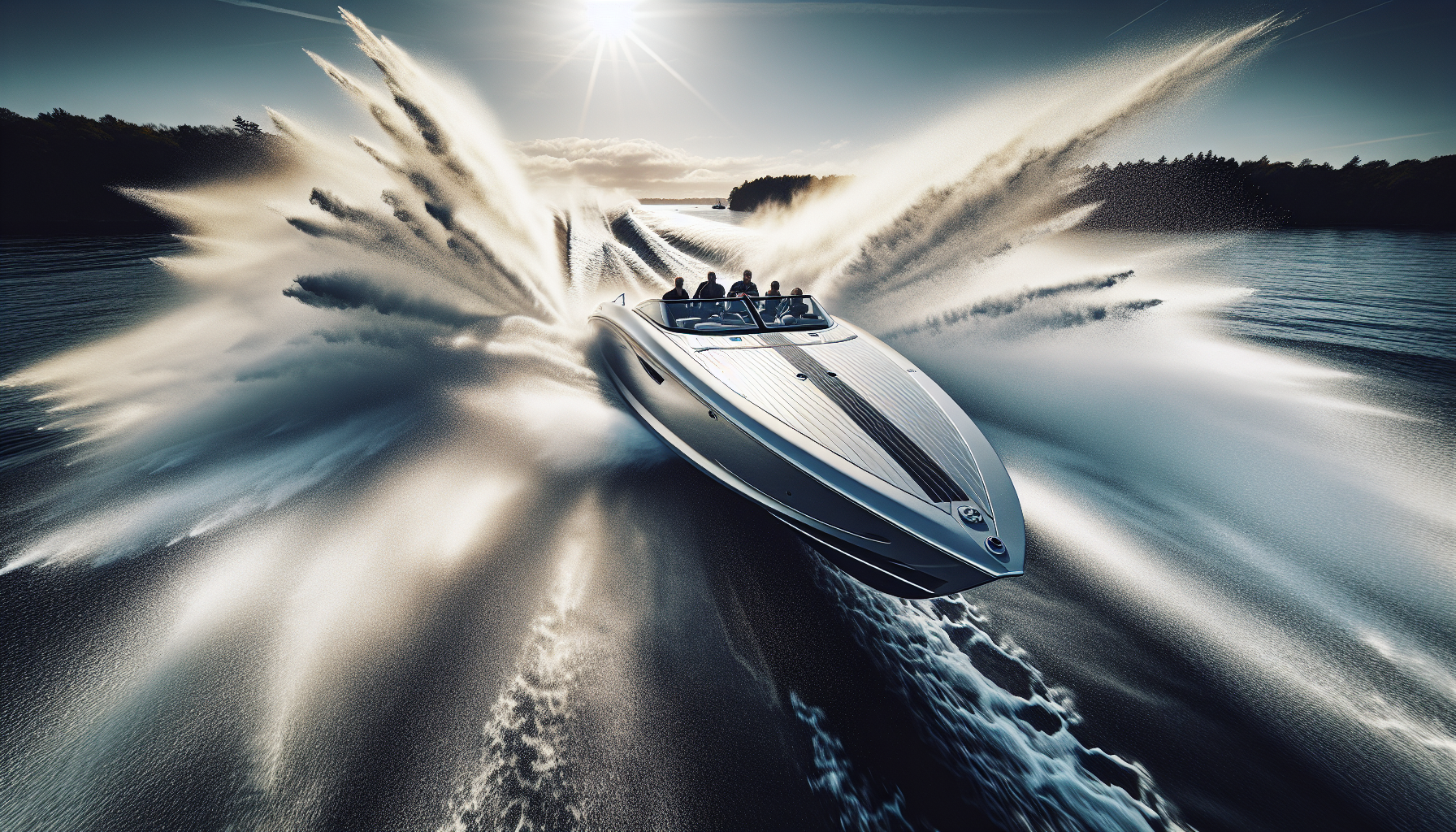
Here is where the boat makes its strongest case. A sports boat at full throttle across a flat estuary or open coastal stretch delivers a visceral, unfiltered sensation that is genuinely unlike anything a road car can provide legally. At 45 to 55 mph on water, there is no windscreen, no soundproofing, and often no safety barrier between you and the environment. The spray, the noise, the way the hull lifts and planes, the physical feedback through your feet and hands – it is raw in a way that very few road experiences can match.
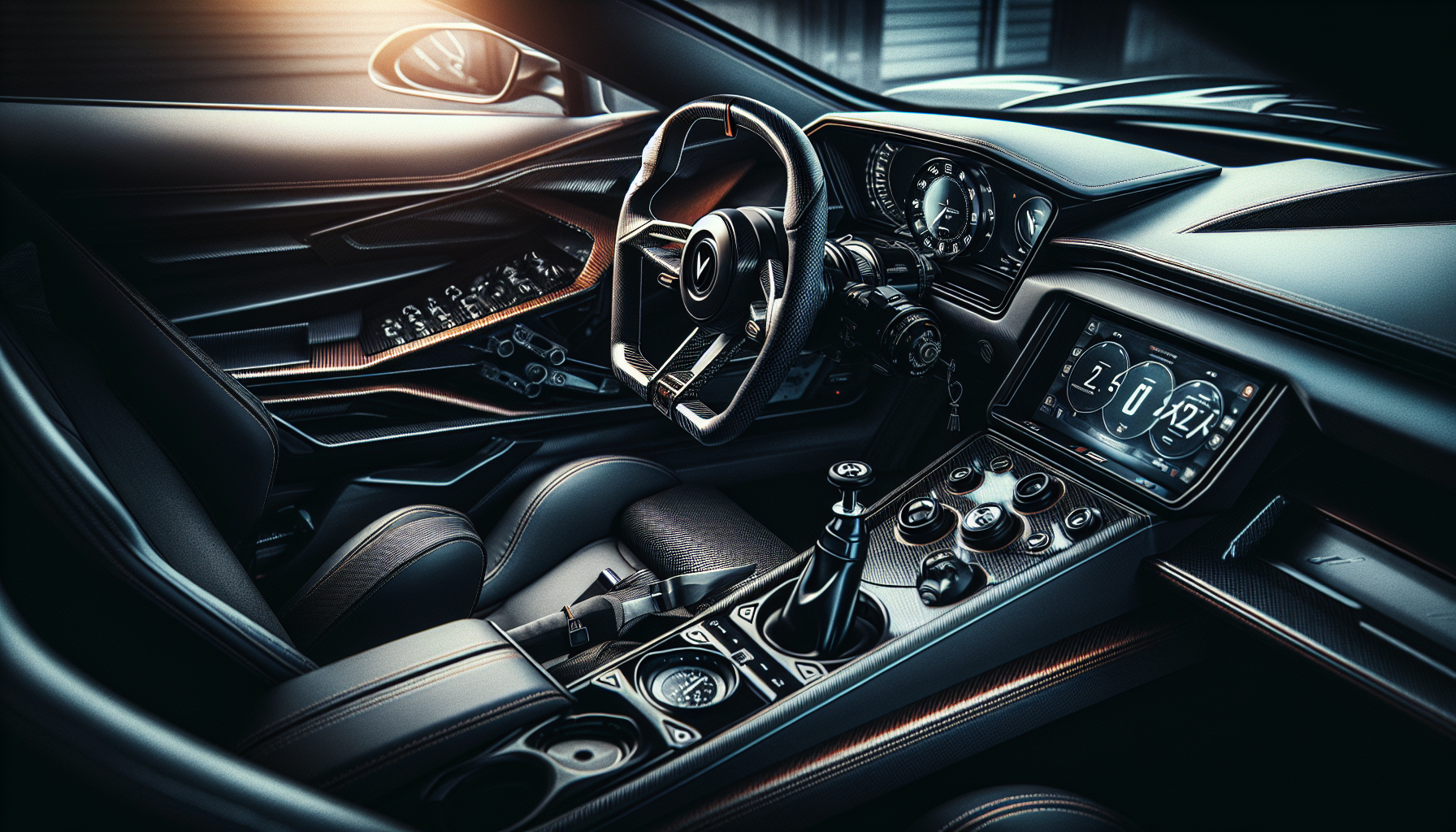
A performance car on a great piece of road offers something different: precision. The communication between tyre, chassis and driver is nuanced, layered and deeply satisfying. You can trail-brake into a corner, feel the weight transfer, and place the car with centimetre accuracy. That level of control dialogue simply does not exist on water in the same way. The boat is a sensation; the car is a conversation.
Track days extend the performance car experience further. Circuits like Anglesey, Knockhill or Bedford Autodrome let you explore a car’s limits in relative safety. There is no equivalent structured experience for a sports boat outside of formal racing.
Which One Should the Enthusiast Choose?
If you want year-round usability, a deep upgrade ecosystem, lower running costs and genuine driver engagement, the performance car wins clearly. If you want something seasonal, gloriously antisocial in its fuel consumption, and capable of delivering pure, unfiltered speed sensations that a road car simply cannot replicate legally, the sports boat is a very compelling alternative. The smartest enthusiasts, of course, find a way to own both.
Performance car vs sports boat FAQs
Is it cheaper to own a sports boat or a performance car?
In terms of purchase price, the two can be comparable at the entry level. However, ongoing costs for a sports boat – including marina storage, winterisation, dockside fuel prices and specialist maintenance – tend to make it significantly more expensive to run annually than a performance car of similar purchase value. The performance car is generally the more cost-efficient choice over a full ownership period.
What does it feel like to drive a sports boat at full speed compared to a fast car?
A sports boat at wide-open throttle delivers a raw, physical experience – spray, wind, engine noise and a bucking hull that communicates every wave through your whole body. It feels less controlled and more elemental than a performance car. A fast car on a great road or circuit offers more precision and driver dialogue, with feedback through the steering and chassis that a boat simply cannot replicate in the same way.
How much does it cost to insure a sports boat in the UK?
Marine insurance for a small to medium performance boat in the UK typically ranges from around £600 to £1,500 per year, depending on the vessel’s horsepower, hull value, mooring location and the owner’s experience. High-performance or twin-engine vessels will attract higher premiums. This is broadly comparable to performance car insurance, though specialist marine brokers will get you the best rates.
Can you use a sports boat year-round in the UK?
Practically speaking, most sports boat owners in the UK use their vessels seasonally – typically from April or May through to September or October. Winter conditions on UK coastal and inland waters make regular use impractical and potentially dangerous, and most boats are winterised and stored during the colder months. This gives the performance car a clear advantage in terms of year-round usability.
What are the best upgrades for a performance car compared to a sports boat?
Performance car upgrades are exceptionally well supported – coilover suspension, brake kits, exhaust systems, ECU remaps, aero components and track-focused wheel and tyre packages are all widely available and often reversible. Sports boat upgrades are more limited, focusing on items like performance propellers, trim tabs, chart plotters and hull treatments. The performance car aftermarket is significantly broader and better documented for the serious enthusiast.