
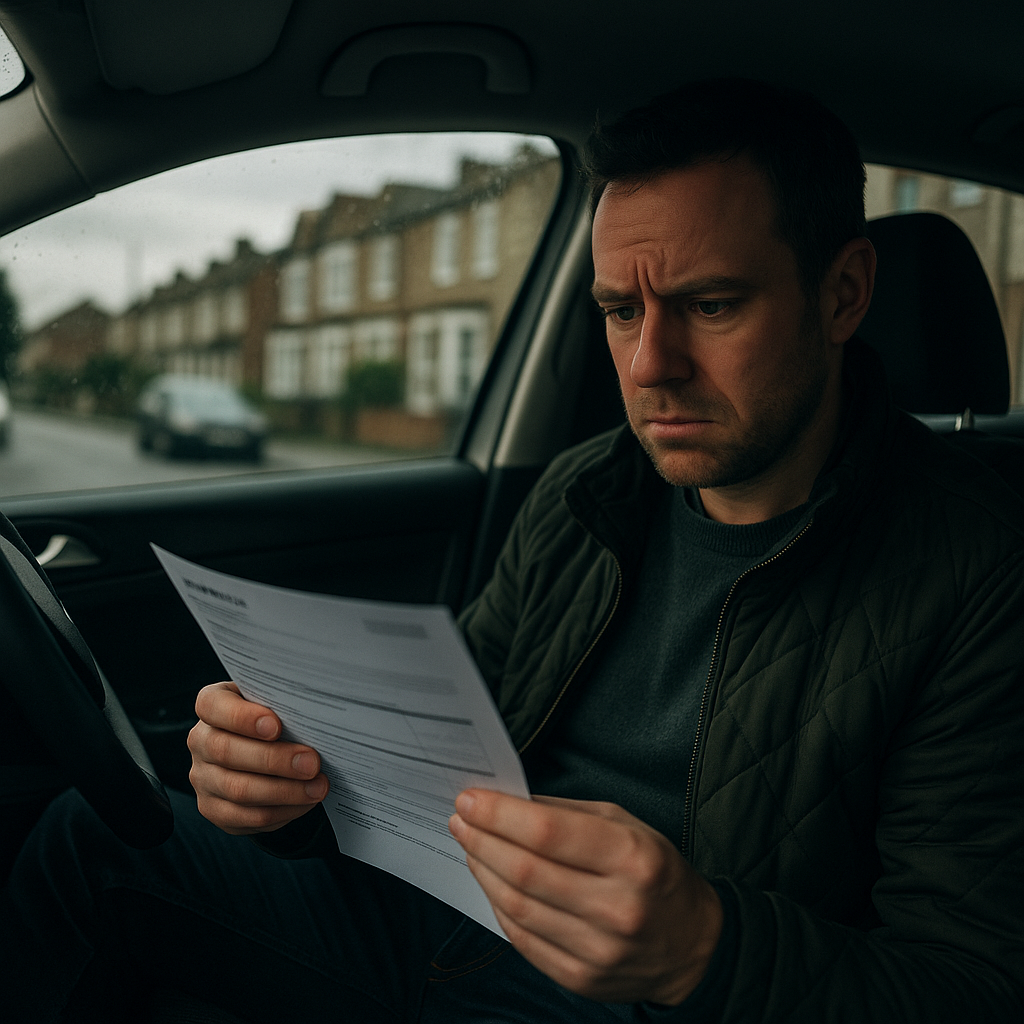
If your renewal notice has landed on the doormat recently and made you do a double-take, you are not alone. UK car insurance costs remain stubbornly high in 2026, and the reasons are more layered than most comparison site articles will admit. This is not just a post-pandemic hangover. Several structural problems have converged at once, and understanding them is the first step to doing something about your premium.
According to the Association of British Insurers, the average comprehensive car insurance premium hit record levels in late 2023 and has barely eased since. Drivers in the UK are paying more than almost anywhere else in Europe, and many are finding the usual tips, such as adding a named driver or tweaking your excess, are producing diminishing returns. So what is actually going on?
The Repair Labour Shortage Nobody Is Talking About
One of the biggest hidden drivers of high premiums right now is a serious shortage of qualified vehicle technicians across the UK. The Institute of the Motor Industry has flagged a gap of tens of thousands of skilled workers in the bodyshop and mechanical repair sectors. When there are not enough hands to fix cars quickly, repair times stretch out. Longer repair times mean longer courtesy car hire periods. Longer hire periods mean higher claims costs. Higher claims costs mean higher premiums. It is a chain reaction, and it feeds directly into what you pay every year.
Training pipelines have not kept pace with vehicle complexity either. Modern cars are increasingly difficult to repair without specialist equipment and certified technicians, which compounds the supply problem further.
Parts Inflation Is Still Biting Hard
Global supply chains have stabilised somewhat since the worst of the semiconductor crunch, but automotive parts prices remain significantly elevated compared to 2019 levels. A replacement front bumper assembly on a mid-range family hatchback that might have cost £400 to source four years ago can now run to £700 or more once sensors, cameras, and radar modules are factored in.
It is worth noting that this problem is not unique to premium or performance vehicles. Even workhorse pickups and commercial vehicles face the same challenge. If you are sourcing l200 parts for a Mitsubishi pickup, for instance, you will have noticed that genuine and pattern parts alike have seen meaningful price increases over the past two years. That cost gets absorbed somewhere, and for insured vehicles, it lands on the claims bill.
Advanced Driver Aids Are Making Cars More Expensive to Fix
This one catches a lot of drivers off guard. Features that are marketed as safety improvements, things like autonomous emergency braking, lane-keeping assist, adaptive cruise control, and 360-degree camera systems, are genuinely good at preventing accidents. The problem is that when they do get damaged, they are extraordinarily expensive to repair and recalibrate.
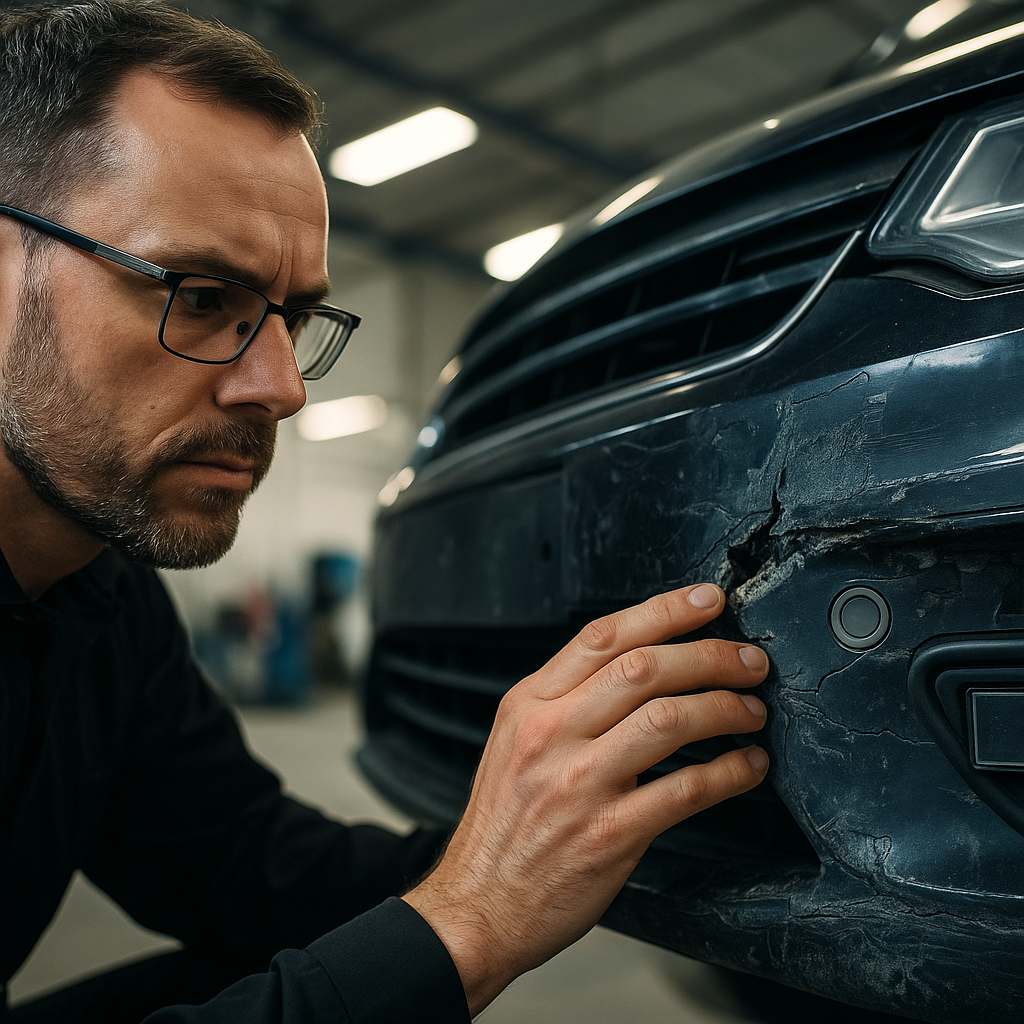
A minor shunt that scratches a bumper on an older car might cost £300 to fix. On a newer model with radar emitters and parking sensors embedded in the same panel, that same shunt could cost over £1,500 once you factor in parts, labour, and the mandatory ADAS recalibration that has to happen before the car goes back on the road. Insurers are not absorbing that extra cost out of goodwill.
The Whiplash Reform Fallout
The Civil Liability Act 2018 introduced a fixed tariff for whiplash claims and pushed lower-value personal injury cases through an online portal, the Official Injury Claim service, rather than through solicitors. The government’s intention was to reduce fraudulent claims and bring premiums down. The reality has been more complicated.
Fraud patterns have shifted rather than disappeared. Organised crash-for-cash gangs adapted. Meanwhile, legitimate claimants dealing with genuine injuries have found the portal process difficult to navigate without legal help. The savings the reform was supposed to generate have not been passed on to consumers in the way the government projected, which has frustrated consumer groups and left premiums higher than many expected.
Electric Vehicles Are Reshaping the Risk Pool
The rapid growth of electric vehicles on UK roads is creating a new set of insurance challenges. EVs have higher purchase values, specialised battery components that are expensive to assess after even moderate accidents, and in some cases, cars are being written off after relatively minor damage simply because battery inspection costs make repair uneconomical. As the EV share of the car parc grows, these higher average claim values are pushing up the overall risk pool cost, which affects everyone, including those still driving petrol or diesel cars.
What Can UK Drivers Actually Do to Reduce Premiums?
There is no magic fix, but there are legitimate strategies that still move the needle. Here is what is worth trying in 2026:
- Shop around properly, every single year. Loyalty rarely pays with insurers. Use multiple comparison sites, and check direct with insurers not listed on them, such as Aviva and Direct Line, who sometimes offer better rates off the comparison platforms.
- Consider a telematics or black box policy. If you have a clean driving record and do not cover huge annual mileage, usage-based insurance can produce substantial savings, sometimes 20 to 30 per cent on comparable cover.
- Adjust your voluntary excess thoughtfully. Raising your voluntary excess reduces the premium, but make sure the figure you choose is one you could actually afford to pay if you needed to make a claim.
- Pay annually rather than monthly. Monthly payment spreads are treated as credit and carry interest. Paying upfront removes that loading from the total cost.
- Check your job title wording. Insurers price by occupation, and small differences in how you describe your job can produce surprisingly different quotes. A chef and a catering manager, for example, may be priced differently. Keep your description accurate, but explore legitimate alternatives.
- Garage your car if possible. Keeping a car off the road overnight and in a locked garage is still recognised by most insurers as a meaningful risk reduction, particularly in urban areas.
Is Relief on the Horizon?
The Financial Conduct Authority has been monitoring the market and has previously taken action to ban the practice of price walking, where loyal customers were charged progressively more than new customers for identical cover. That reform helped, but it has not been sufficient to counteract the structural cost pressures described above.
The government’s vehicle technology roadmap, which you can read more about on GOV.UK, does outline long-term ambitions around automated vehicle safety that could eventually reduce accident rates and claims volumes. But that is measured in decades, not renewal cycles.
For 2026, the honest answer is that significant structural relief on UK car insurance costs is unlikely in the short term. The best approach is a combination of active shopping, smart policy choices, and understanding exactly what you are paying for when you compare quotes. The market is not going to come to you with a better deal. You have to go and find it.
Frequently Asked Questions
Why have UK car insurance premiums gone up so much in 2026?
Several factors are pushing premiums higher simultaneously: repair labour shortages, inflated parts costs, expensive ADAS recalibration after accidents, and ongoing fraud patterns that survived the whiplash reform. Insurers are passing these higher claim costs onto policyholders through increased premiums.
Does having a newer car with more safety technology make insurance cheaper?
Not necessarily, and sometimes the opposite is true. Modern safety systems like radar-based autonomous emergency braking and lane-keeping cameras are expensive to repair and recalibrate after accidents, which can push repair bills up significantly. The reduction in accident frequency from those systems does not always offset the higher cost when accidents do happen.
Is telematics or black box insurance worth it for experienced UK drivers?
It can be, particularly if you have a clean record and drive moderate annual mileage. Telematics policies reward demonstrably safe driving behaviour with lower premiums, and savings of 20 to 30 per cent compared to standard cover are achievable. The main trade-off is that your driving patterns are monitored continuously.
Will the FCA's price walking ban make a real difference to what I pay?
The FCA’s ban on price walking, introduced in 2022, means insurers can no longer charge existing customers more than equivalent new customers for the same policy. This helped many loyal policyholders, but it has not been enough to counteract broader cost inflation in the market, so premiums overall remain high.
What is the single most effective thing I can do to get a cheaper car insurance quote?
Shopping around every year is consistently the highest-impact action. Do not rely on a single comparison site; use two or three, and check directly with insurers like Direct Line and Aviva who are not always listed on comparison platforms. Never allow your policy to auto-renew without comparing alternatives first.