

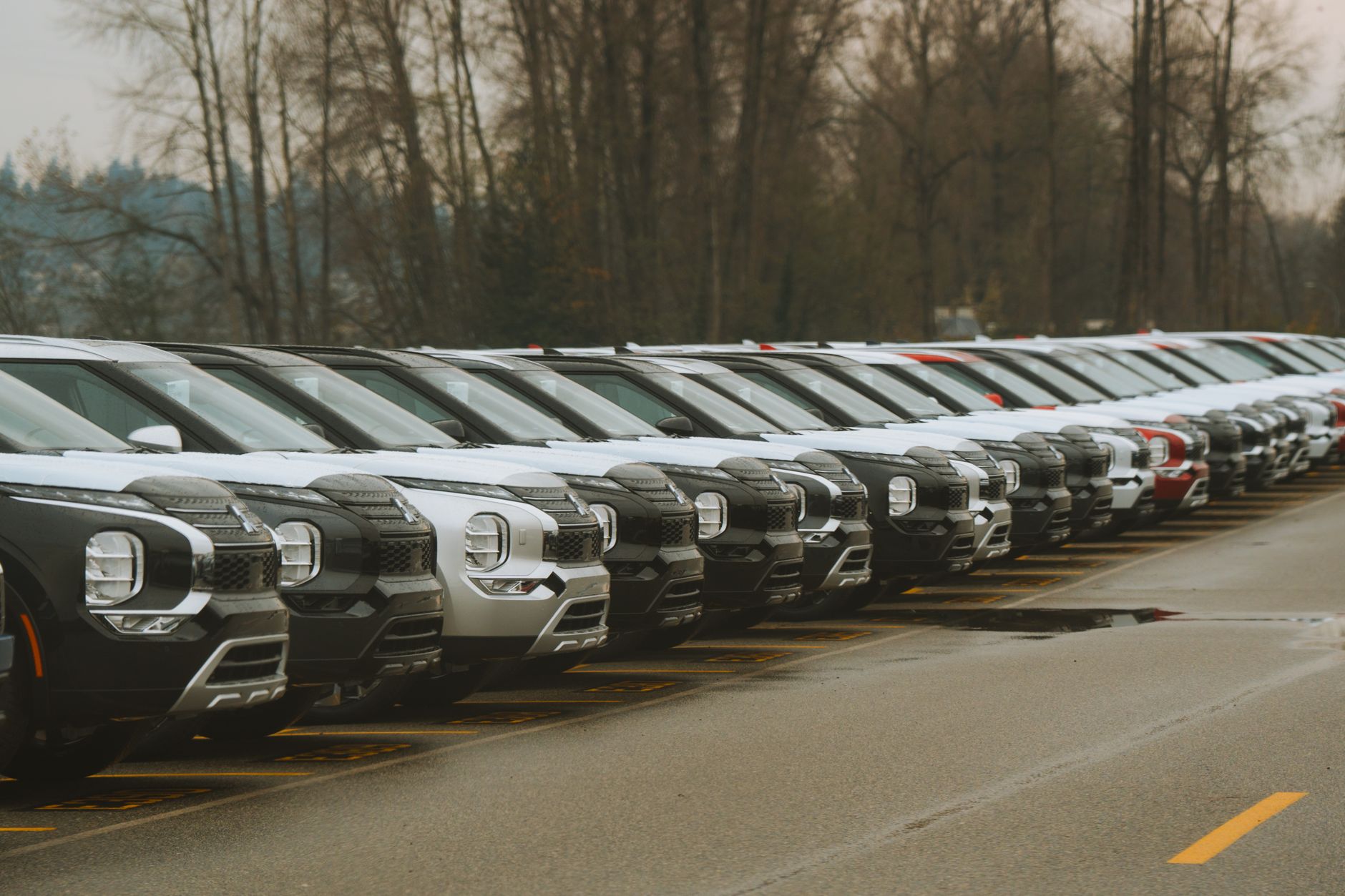
Walk onto most UK car forecourts right now and something unusual is happening. Salespeople are chasing you rather than the other way round. Dealers who once had waiting lists for electric vehicles are now dangling £3,000 deposit contributions, free home charger installations, and slashed monthly PCP payments to shift stock before the end of each quarter. The EV discounts UK dealers are offering in 2026 are, in some cases, genuinely extraordinary. There are specific reasons why, and understanding them puts serious money in your pocket if you are in the market.
The ZEV mandate is driving dealer panic
The root cause of all this generosity is the Zero Emission Vehicle mandate, which requires manufacturers to ensure a rising percentage of their UK new car sales are fully electric. In 2026 the target sits at 28% of each manufacturer’s total UK sales. Miss it and the financial penalties are severe: according to government guidance, manufacturers face a £15,000 fine per non-compliant vehicle they sell over their allowed quota of petrol and diesel cars. That number is large enough to genuinely hurt even a volume brand’s annual results.
Manufacturers respond to that pressure by pushing the obligation downstream. Dealers are set EV volume targets and, increasingly, their bonus structures and stock allocations depend on hitting them. A dealer principal who falls short does not just miss a bonus; they risk getting a worse allocation of popular models in the following quarter. So when EV registrations soften and the end of a quarter approaches, discounts appear. Fast. I’ve spoken to several dealer contacts who describe the final two weeks of each quarter as something close to organised chaos, with authorisations coming through from manufacturer area managers for discounts that would have been unthinkable eighteen months ago.
If you want a fuller picture of what the ZEV mandate actually commits manufacturers and dealers to, our breakdown of what the ZEV mandate means for dealers and buyers in 2026 covers the mechanics in plain terms.
How big are the EV discounts actually getting?
Let me give you some real numbers rather than vague gestures at savings. In early 2026 MG were advertising the MG4 with a £2,500 deposit contribution stacked on top of a 0% APR deal on 36-month PCP agreements. Vauxhall were offering the Astra Electric with a £3,000 customer savings event discount applied at the point of sale. Volkswagen ID.3 deals in the same period included free Type 2 home charger installation worth around £800-£1,000 depending on the installer. Renault have been running factory-backed deposit contributions on the Renault 5 E-Tech Electric to keep volume moving through franchised dealers.
Crucially, some of these are manufacturer-funded contributions on top of any dealer discount you can negotiate separately. That is where the real opportunity sits. The manufacturer contribution is the floor, not the ceiling.

How to negotiate an even better EV deal at a UK dealer
The single most useful thing to know is timing. Go to a franchised dealer in the first week of January, April, July, or October and you have real leverage. Those are quarter-end periods. The dealer needs to register cars. They have targets to hit and often discretionary headroom of a further £500-£1,500 on top of advertised offers. Ask directly: “What’s the best you can do on a same-day order registered this week?” You will often get an answer that is significantly better than the brochure price.
Get quotes from multiple franchised dealers for the same model. Manufacturers allow dealers to set their own additional discount levels within limits, and there is often meaningful variation between a city-centre dealership under pressure from footfall targets and a rural dealer who works on tighter margins but has stock sitting on the forecourt. A twenty-minute drive can be worth £600.
Check whether any manufacturer-to-dealer incentive is in play, sometimes listed as a “sales event” or “customer offer” on the manufacturer’s UK website. Stack that against any trade-in valuation from a site like We Buy Any Car or Motorway, then use the best online offer as your baseline when negotiating a part-exchange. Dealers will not always match it, but they sometimes will when they need the registration more than the margin.
From a practical standpoint, dealers now invest heavily in their digital presence to make these offers visible. Platforms like dijitul Automotive help franchised dealers get live offers and current stock in front of buyers online, which means you can research available deals and identify which dealers have high-stock models to shift before you even pick up the phone.
Are there any catches with these EV discounts?
Yes, a few worth knowing. First, pre-registered vehicles. Some dealers register cars in their own name before they are sold, claiming the registration date for ZEV compliance purposes while then selling the car as “nearly new” at a reduced price. You can get a very attractive deal this way, but your warranty start date resets to the original registration, not your purchase date. Always check the V5C logbook date before signing anything. Pre-reg is not inherently a problem, but going in without knowing is.
Second, PCP finance rates on EVs can look attractive at headline level but check the Guaranteed Future Value (GFV) carefully. EV residuals are still volatile across many segments. A low GFV means higher monthly payments; a high GFV means a balloon payment that could exceed actual market value at contract end. If you have any doubt, an HP deal gives you more predictable ownership. I’d point you to our comparison of HP versus PCP finance traps because the difference genuinely matters on a £30,000 EV purchase.
Third, check whether the discount applies across all trim levels or only a specific variant the dealer has in stock. Manufacturers sometimes run “event” pricing on a specific build that happens to be sitting on their forecourt. The headline saving looks great until you realise the car comes in a colour you wouldn’t choose and is missing the heat pump you actually want.
Which EVs have the best deals right now?
Volume brands with the most acute ZEV compliance pressure tend to generate the largest discounts. In 2026 that means Vauxhall, MG, Renault, Volkswagen Group models including SEAT Mii Electric derivatives, and BYD, whose dealer network is still in early expansion mode and keenly priced to gain share. Chinese brands in particular are offering aggressive deals; I’ve seen BYD Atto 3 pricing that undercuts comparable European models significantly even before any negotiation begins.
If you are already eyeing a mainstream small EV, it is worth comparing the Renault 5 against its competition on current offers rather than on list price alone. The difference between headline pricing and a dealer’s final ask can be 8-12% on some models right now. That is not pocket change on a £25,000 car.
Luxury and performance EV brands (Audi, BMW, Mercedes) tend to hold firmer on price but are more willing to negotiate on financing terms, service plans, and accessories. The headline discount is smaller, but the overall package can still be improved with some patience and a willingness to walk away.
Should you actually take an EV deal in 2026?
If you were already considering an EV and can charge at home or near your workplace, the current market is as buyer-friendly as it has been since the original government Plug-in Car Grant era. The combination of manufacturer contributions, dealer margin headroom, and competitive finance means total cost of ownership on a new EV is genuinely competitive with a comparable petrol car across a three to four year period, particularly if you drive more than 10,000 miles per year and can charge overnight on an off-peak tariff.
The caveat is that the ZEV mandate targets rise each year, so dealer pressure will not disappear. But the specific combination of factors driving discounts in 2026, including oversupplied forecourts in some segments and manufacturer year-end pressure, is worth acting on now rather than waiting for an indeterminate “better moment”.
Leave a Reply