
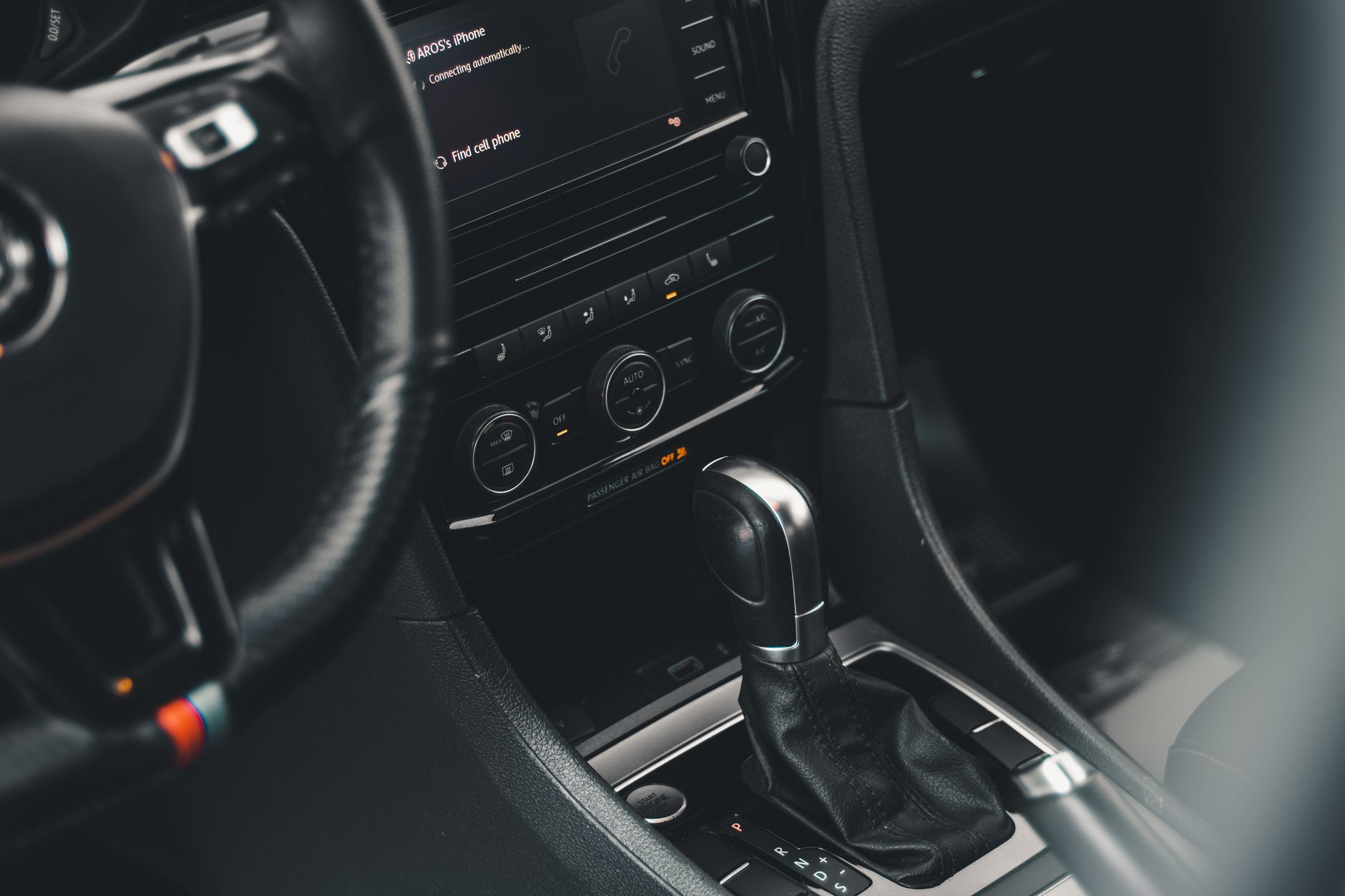
Something has quietly flipped in the British used car market. For most of motoring history, a manual gearbox was the default, the sensible choice, the one that held its value. If you wanted to shift iron quickly on AutoTrader, you stuck a three-pedal car on there. That is no longer reliably true. The data coming through in 2026 suggests automatic cars have crossed a tipping point in the secondhand market, and the reasons behind it are worth unpacking properly because they affect what your current car will be worth in two or three years.
The numbers behind the shift
According to figures from the Society of Motor Manufacturers and Traders (SMMT), automatic transmissions accounted for well over half of all new car registrations in Britain through 2024 and 2025. That trend has continued into 2026. The used market, which typically reflects new car buying habits with a three-to-five-year lag, is now catching up fast. Used automatic car listings on the major UK classified platforms are being snapped up more quickly than equivalent manual models in many segments, particularly in city-centric cars and anything priced above £15,000.
I’ve been watching this shift for a while, and the honest truth is that it was always inevitable. Electric vehicles have no gearbox to speak of, and as EV registrations climb under the pressure of the Zero Emission Vehicle mandate, the concept of choosing between two and three pedals is simply vanishing for a growing chunk of buyers. Younger drivers, many of whom learnt in an automatic or never seriously considered a manual, are now the fastest-growing cohort in the used car market. That changes everything.
Why automatic vs manual car sales UK 2026 tells a bigger cultural story
The gearbox you prefer is, to some extent, a generational marker. Drivers who passed their test before 2010 overwhelmingly learnt in a manual. It was cheaper to insure, slightly more fuel-efficient at the time, and the automatic licence restriction meant passing in an automatic left you legally barred from driving a manual. That restriction still applies today, which creates an interesting wrinkle: a rising proportion of younger licence holders physically cannot drive a manual, even if they wanted to.
Add urban traffic into the mix and the case for a manual evaporates further. If you spend two hours a day in stop-start traffic around Birmingham, Manchester or London, a clutch pedal goes from a minor inconvenience to a genuine physical grind. Demand for smooth, low-effort town driving has pushed buyers towards automatics, and those buyers are not switching back. The SMMT’s registration data backs this up: automatics have grown every single year as a share of new car sales since 2016.
What this means for resale values right now
This is the part that matters most if you are trying to buy or sell. Manual car resale values in certain segments are softening noticeably. Family hatchbacks, mid-size SUVs and anything marketed as a comfortable cruiser are the worst affected. A five-year-old manual Ford Focus or Vauxhall Astra now takes measurably longer to shift on the forecourt than its automatic equivalent, and dealers are adjusting their part-exchange offers accordingly.
The picture is more nuanced for performance cars. A manual Honda Civic Type R or a manual Porsche 911 carries a premium with enthusiasts, and I do not see that changing soon. The same applies to lightweight sports cars and kit car builds where driving feel is the whole point. But outside that enthusiast bubble, the direction of travel is clear. If you are buying a practical family car today and you want strong resale in 2029 or 2030, an automatic is the lower-risk choice. I’d go so far as to say that buying a new manual family hatchback in 2026 is a bit like buying a diesel just before the emissions conversation turned ugly.
Speaking of running costs and long-term planning, if you are weighing up whether to run a performance car at all, it is worth reading our breakdown of the real cost of buying and running a performance car on a UK driveway in 2026, because the gearbox choice feeds into insurance, servicing and depreciation calculations in ways that catch people out.
The electric elephant in the room
Electric vehicles are the accelerant on this fire. Every EV on sale in Britain uses a single-speed transmission. There is no manual EV, there never will be in any meaningful commercial sense, and as more drivers migrate to electric, the entire manual versus automatic debate simply stops existing for them. Cars like the Renault 5 E-Tech Electric and the Volvo EX30 are pulling buyers into an entirely gearbox-free world. Once you’ve driven an EV for six months, the idea of a clutch pedal feels almost quaint.
I reviewed the Volvo EX30 earlier this year and one of the things that stuck with me was how completely the single-speed drivetrain removes any sense of effort. Instant torque, one-pedal driving, no hunting for ratios. It recalibrates your expectations permanently. That experience is now reaching enough mainstream buyers to reshape the used market as those cars start appearing at three and four years old.
The Renault 5 E-Tech Electric is another example of an accessible EV pulling first-time electric buyers away from the manual market entirely. At a price point where manual petrol hatchbacks once dominated, the Renault 5 is converting buyers who never expected to go electric this soon.
Should you sell your manual now or hold on?
Practically speaking, the answer depends on what you drive. If it is a standard family car or a practical SUV, the data suggests the gap between automatic and manual resale values will only widen. Selling in the next twelve months gets you ahead of the curve. If it is a genuine driver’s car, something with a heritage manual gearbox that enthusiasts seek out, hold your nerve. The market for those is small but stable, and scarcity tends to protect value.
What is definitely not worth doing is buying a used manual family car in 2026 and expecting it to hold its value like it would have done in 2018. The market has moved. Dealers know it, the data confirms it, and buyers are voting with their wallets. The gearbox that defined British motoring for a century is not dead, but its grip on the used market has loosened, and that grip is not coming back.
Frequently Asked Questions
Are automatic cars now worth more than manuals on the used market in the UK?
In most practical segments, yes. Family hatchbacks, SUVs and comfortable cruisers in automatic form are selling faster and holding higher values than equivalent manuals. The exception remains genuine enthusiast performance cars, where a manual gearbox can still command a premium with the right buyers.
If I passed my driving test in an automatic, can I legally drive a manual car in the UK?
No. Under current DVSA rules, passing your test in an automatic restricts your licence to automatic vehicles only. To drive a manual legally, you would need to pass a separate practical test in a manual car. This restriction is contributing to the growing pool of UK drivers who will only ever buy automatics.
Is the shift from manual to automatic cars in the UK permanent?
All the evidence points that way. EV adoption removes the gearbox choice entirely for a growing share of buyers, younger licence holders are increasingly passing in automatics, and urban traffic conditions make a clutch pedal less appealing year on year. It is difficult to construct a scenario where manuals regain significant market share in family and mainstream segments.