

Van break-ins have always been a problem for tradespeople and fleet operators in the UK, but the methods being used in 2026 are significantly more sophisticated than they were even a few years ago. Opportunistic smash-and-grabs still happen, but the real growth area is technically informed theft – criminals who understand how modern vans work and exploit that knowledge ruthlessly.

Why Van Break-Ins Are Evolving
The automotive security industry has done a reasonable job of hardening factory locks and alarm systems over the past decade. So thieves have adapted. Rather than brute-forcing entry, many now use methods that leave little to no visible damage – meaning owners sometimes don’t even realise their van has been entered until tools or equipment go missing.
Three core techniques have emerged as the dominant threats: relay amplification attacks on keyless entry systems, lock pick bypass using specialist tools purchased cheaply online, and signal jamming of remote locking to prevent the van locking in the first place. Each requires a different defensive response, which is part of what makes this such a difficult problem to solve with a single product.
The Lock Pick Problem With Popular Van Models
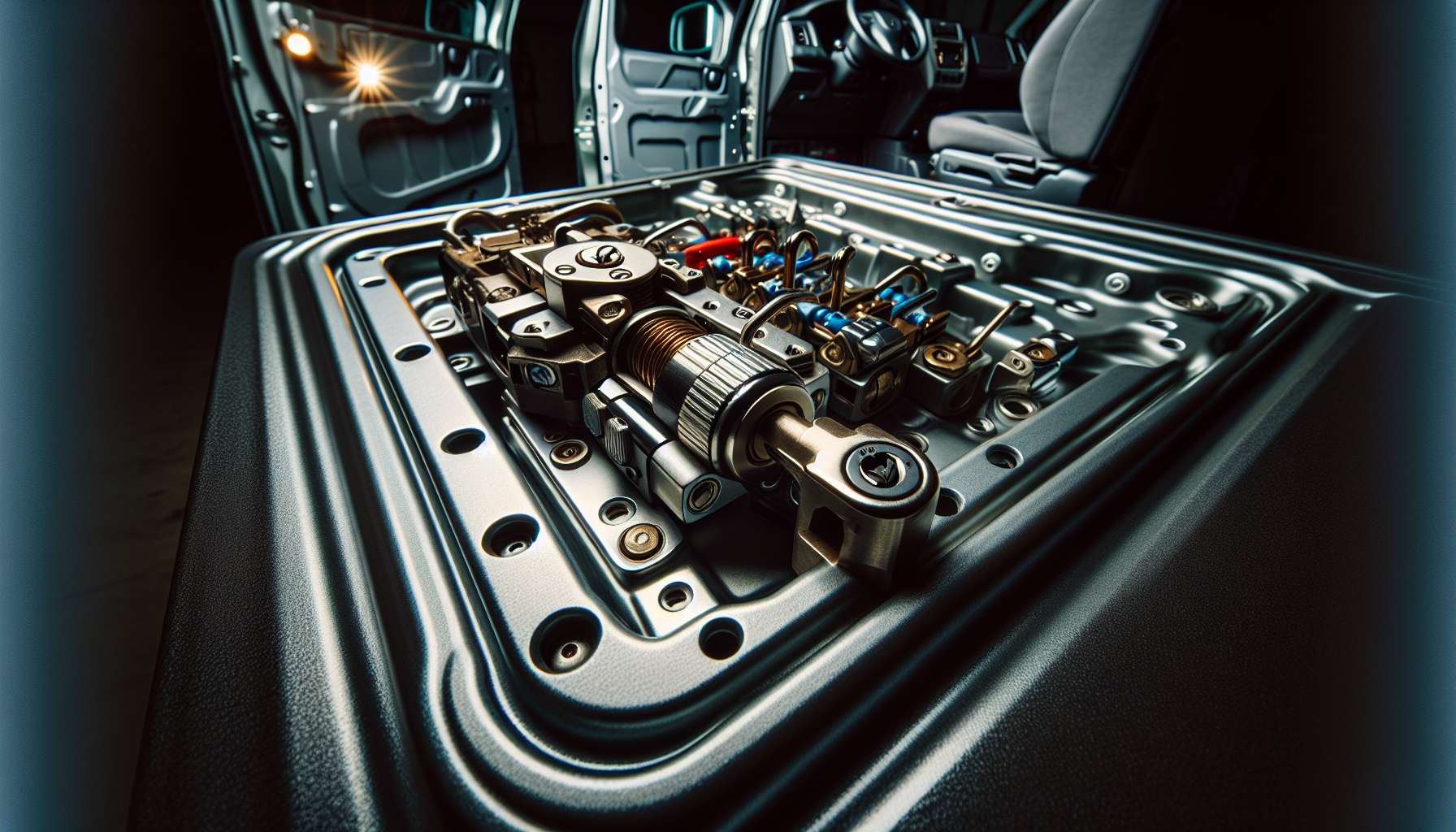
Certain van platforms have a well-documented weakness: their barrel locks can be bypassed using tools that mimic the lever mechanism inside. The Volkswagen Transporter, Ford Transit Custom, and Mercedes Sprinter have all appeared in security advisories related to this method. It’s particularly common in densely parked urban areas where a thief can work quickly without attracting attention.
The issue isn’t necessarily poor build quality – it’s that the factory lock spec was designed to a commercial cost point, not a high-security standard. Adding aftermarket deadlocks with anti-pick, anti-drill, and anti-snap mechanisms is one of the most effective countermeasures available. Brands like Deadlok and Armaplate produce purpose-built solutions that are now widely fitted by security-conscious tradespeople.
Relay Attacks and Keyless Entry Vulnerability
Keyless entry systems use a passive RFID signal from the fob to authenticate with the van’s receiver. Relay attack kits, which can be bought online for under £100 in some cases, amplify that signal across much greater distances. One person stands near your front door while another stands near the van – the van thinks the key is present and unlocks. The whole process takes seconds.
This is no longer a theoretical risk. Fleet managers and sole traders across the UK have reported van break-ins attributed to relay attacks with no signs of forced entry, leaving insurers to question claims because there’s no visible damage. The fix is straightforward: store key fobs in a Faraday pouch when not in use, and consider disabling keyless entry entirely in favour of a physical key if your van model supports it.
Signal Jamming: The Break-In You Never See Coming
Jamming devices block the radio frequency your remote fob uses to lock the van. You press the button, the van appears to respond, but the signal never reaches the receiver. You walk away thinking it’s locked – it isn’t. CCTV footage from car parks and roadsides has captured this technique being used repeatedly in the same locations.
The best defence here is habit: always physically check the door handle after locking remotely. Some van owners have switched to manually locking with the key blade as a rule rather than using the remote at all. It takes three extra seconds and eliminates the risk entirely.
What a Layered Security Approach Actually Looks Like
Security professionals consistently recommend a layered approach – multiple independent systems that a thief would need to defeat simultaneously. For vans, that typically means:
- Aftermarket deadlocks on all cargo doors
- A Thatcham-approved alarm with tilt and interior sensors
- A ghost or hidden immobiliser requiring a PIN sequence to start
- A GPS tracker with live monitoring
- Physical deterrents such as slam locks or van vault storage inside
No single product eliminates risk, but making a van significantly harder to enter or move than the one parked nearby is often enough to redirect the threat. Thieves operating at scale are looking for the path of least resistance – time is their biggest enemy.
For operators running Transit-based fleets in particular, investing in upgrades is increasingly non-negotiable. Proper Ford Transit Security upgrades that combine physical locking reinforcement with electronic countermeasures represent the current best practice for protecting these high-target vehicles.
Insurance Implications of Van Break-Ins
It’s worth noting that some insurers now require evidence of specific security measures before they’ll pay out on theft claims. Particularly for tools and equipment kept inside the van overnight, policies may include clauses demanding deadlocks, a tracking device, or overnight storage requirements. Reading the small print before a claim is far more useful than reading it afterwards.
Van break-ins aren’t going away – if anything, as new vehicles become harder to start without the correct key, thieves are increasingly focusing on the cargo rather than the vehicle itself. Staying ahead of that curve requires treating van security as an ongoing investment rather than a one-time purchase.

Van break-ins FAQs
How are thieves getting into vans without breaking windows?
Modern thieves use several damage-free methods including relay attacks on keyless entry systems, specialist lock pick tools that bypass factory barrel locks, and signal jamming that prevents remote locking from working. These techniques leave no visible damage, making detection difficult and insurance claims complicated.
What is the most effective way to prevent van break-ins?
A layered approach works best – combining aftermarket deadlocks, a Thatcham-approved alarm, a hidden immobiliser, and a GPS tracker creates multiple independent barriers a thief must overcome. No single product is sufficient on its own, but layering systems dramatically increases deterrence.
Are certain van models more vulnerable to break-ins than others?
Yes. The Ford Transit Custom, Volkswagen Transporter, and Mercedes Sprinter are frequently cited in security advisories due to their widespread use and known lock vulnerabilities. Their popularity makes them high-value targets, so aftermarket security upgrades are especially important for owners of these models.
Do Faraday pouches actually stop relay attacks on vans?
Yes, Faraday pouches block the RFID signal from your key fob, preventing relay amplification devices from capturing and broadcasting it to the van. They are an inexpensive and highly effective solution, costing as little as £10-£15 from most automotive retailers.
Will upgrading van security reduce my insurance premium?
It can do, particularly if the upgrades include a Thatcham-approved alarm or tracker. Some insurers also require proof of specific security measures before covering tool theft claims, so checking your policy’s requirements and informing your insurer of upgrades is always worth doing.
Leave a Reply