

The most common mistake with alloy wheels is choosing them on looks alone and ignoring weight and tyre profile. The best alloy wheel upgrades UK 2026 buyers can make are the ones that keep the car’s ride and handling intact, because a heavy wheel with a thin tyre can make a good car feel worse while looking better in the drive.
This guide covers seventeen-inch wheels, a sensible size for most small and family cars on UK roads. Rather than ranking individual brands and prices, which change constantly, it looks at distinct upgrade types and the cars they suit.
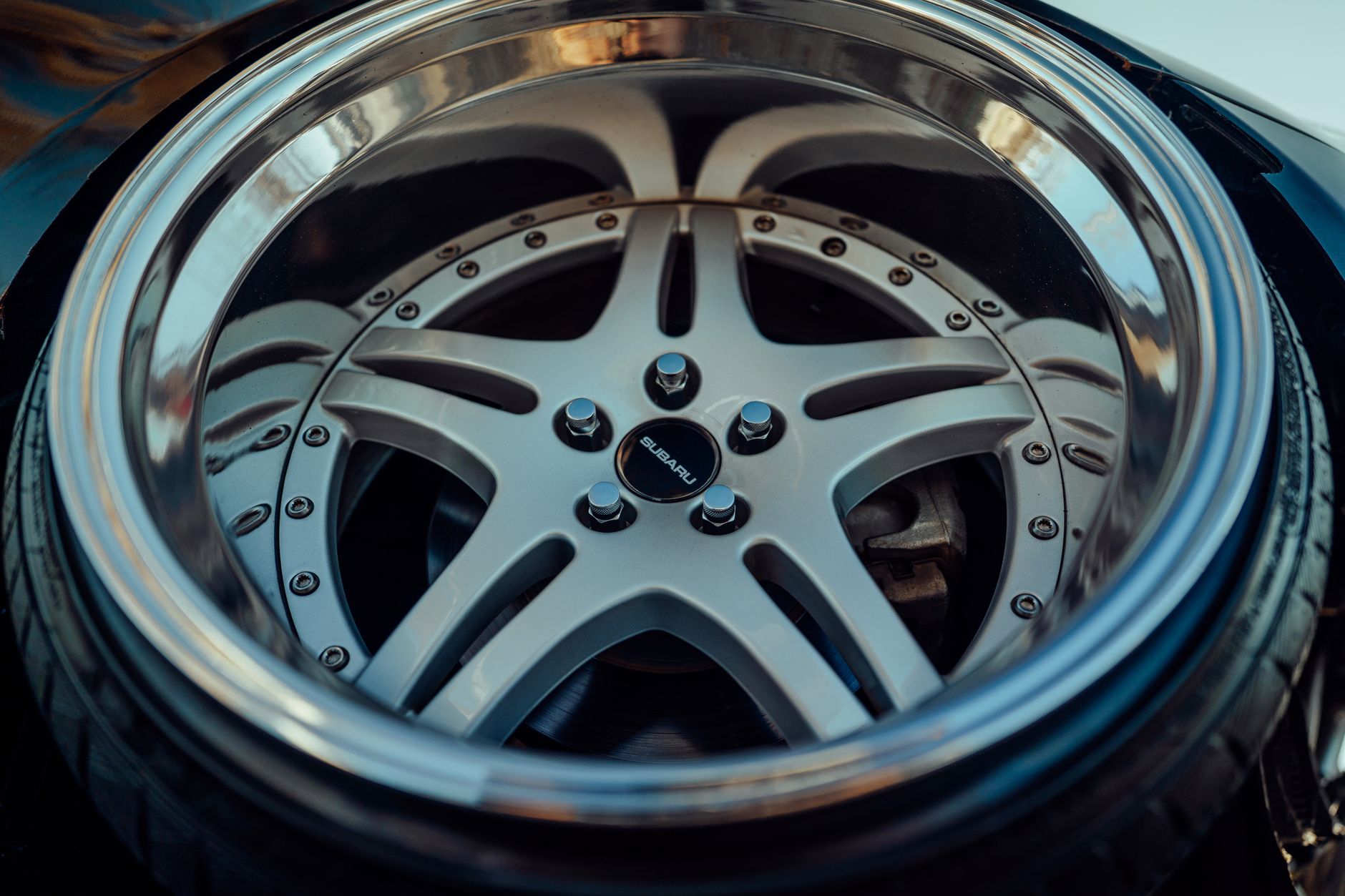
Why weight and tyre profile matter more than design
Unsprung mass is everything the suspension has to control: wheel, tyre, brake and hub. Add weight there and the damper works harder, so the car can feel less settled over broken surfaces. A lighter wheel helps the suspension keep the tyre in contact with the road.
Tyre sidewall height is the other half. Moving from a 16-inch to a 17-inch wheel usually means a shorter sidewall, which sharpens steering response but passes more bumps into the cabin. Keep the overall rolling diameter within roughly 1.5 per cent of standard so the speedometer stays accurate, which is also what keeps you on the right side of an MOT.
1. Higher-spec OEM wheels from the same model range
This is the safest route. Take a Volkswagen Golf, Ford Focus or Vauxhall Astra: the manufacturer often fits 17-inch wheels on mid-range trims, and these are tested with that car’s suspension, brakes and sensors. Fitment is exact, tyre pressure monitoring usually carries over, and nothing needs explaining to an insurer.
The downsides are that OEM wheels can be heavy and some designs are plain. Used sets from higher trims are a cheap way in, but check for kerbing and straightness before paying.
2. Lightweight flow-formed aftermarket wheels
Flow-forming spins and stretches the barrel of a cast wheel, giving strength with less metal. For a Mini Cooper, Ford Fiesta ST or Honda Civic, a flow-formed 17-inch wheel can undercut an OEM wheel for weight while costing far less than a forged one. This is where the ride and handling gains are most noticeable for the money.
Look for wheels carrying a recognised test mark, such as the German TÜV approval or the Japanese JWL and VIA marks, and ask the seller for the stated weight. A reputable maker will publish it.
3. Forged wheels for enthusiasts
Forged wheels are the lightest and strongest option, and the price reflects that. They suit a track-day Toyota GR86 or Mazda MX-5, where the unsprung weight reduction is felt in steering and braking. For a daily Vauxhall Corsa they are overkill.
4. Cast budget wheels for kerb appeal
Basic cast alloys are the usual choice when the goal is a smarter look. They are heavier, so ride suffers slightly, and finish quality varies. If you go this way, buy from a seller who supplies the correct centre bore rings and hub-centric fitment, as a wheel that centres on the studs alone can cause vibration at motorway speeds.
5. Winter-set alloys on a second pair of wheels
A cheap, plain 17-inch set carrying winter tyres protects your good wheels from salt and potholes. A Skoda Octavia or Seat Leon on a dedicated winter set also gives a genuine safety gain in cold, wet autumn and winter conditions, which tyre compound drives far more than wheel design.
What should you check before buying aftermarket alloys?
Check five measurements before you pay: bolt pattern (PCD), centre bore, offset (ET), width and load rating. Your car’s handbook or the manufacturer’s listing gives the correct values, and the wheel seller should confirm them for your exact model and year.
- Offset: the wrong figure can rub against arches or suspension.
- Load rating: it must cover the car’s axle weight, which matters on heavier hybrids and electric cars.
- Tyre pressure sensors: cars built since 2014 must have them, so budget for transferring or replacing them.
- Wheel nuts or bolts: aftermarket wheels often need different seats, either conical or ball.
Electric cars need particular care. Their weight and torque demand a proper load rating, and tyres chosen for low rolling resistance can lose efficiency if you change size. Larger wheels on an EV commonly trim range, so it is worth reading our look at how the 2026 UK car market has changed to see how many new models now come on bigger wheels as standard.
Are modified wheels legal and insured?
Aftermarket wheels are legal in the UK if they fit properly, do not poke beyond the bodywork in a way that breaches construction rules, and the tyres are correctly rated. Tell your insurer about any modification, since an undeclared change can cause a claim problem. Our guide to the DVSA’s updated MOT rules for older and modified cars explains what testers look at, and the government’s MOT guidance on gov.uk covers the basics.
My recommendation
For most drivers, a flow-formed set from a reputable maker, or a clean set of higher-trim OEM wheels, gives the best balance of looks, weight and ride. Keep the tyre diameter close to standard, pick a quality tyre over a flashy wheel if budget is tight, and confirm every fitment figure with the seller before ordering.
Leave a Reply