

Say you are forty minutes past Birmingham on the M6 on a Friday afternoon in December, the sky is already dark, and the back seat has gone from cheerful to feral. The tablet has died, someone has dropped a satsuma, and there are still three hours to go. The best car games for long journeys are the ones that need no screen, no kit and no preparation beyond a few minutes at the kerb: spotting games, word games, audio stories and well-timed stops.
This guide covers what works, how to plan breaks, and how to keep the cabin from turning into a bin on wheels. I’m approaching it as a driver first: anything that distracts a child but also distracts you is a bad idea.
Which screen-free car games work best?
The best screen-free games are short, need no equipment and can be played by a mixed age group. Pick two or three and rotate them rather than burning through everything in the first hour.
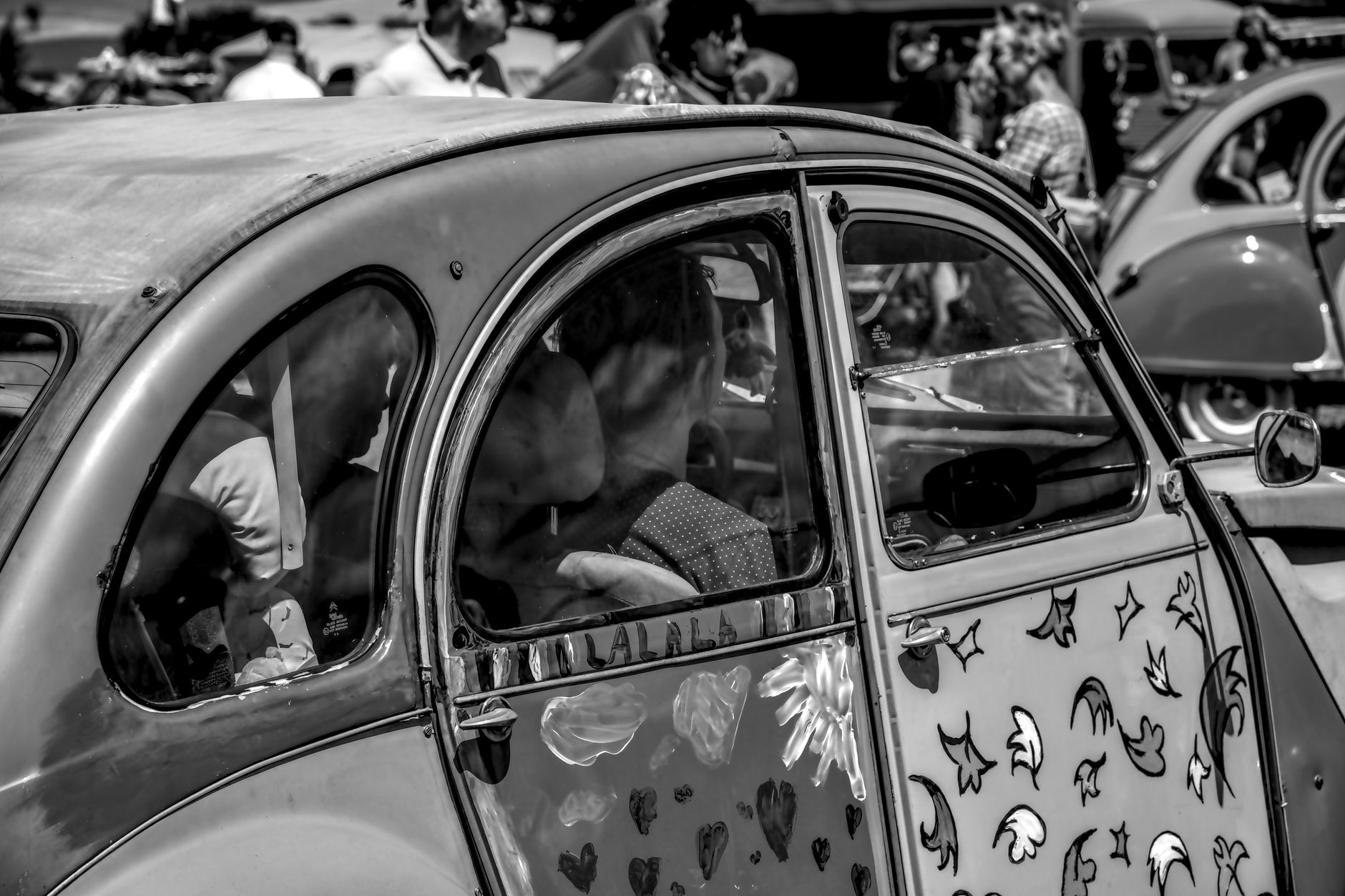
- I spy, with a twist. For older children, use colours or first letters of road signs. Motorway gantries and lorries give you plenty of material.
- Number plate game. Spot letters of the alphabet in order on passing plates. UK plates make this easy, since the three-letter ending is large and clear.
- Twenty questions. Works from about six upwards and costs nothing.
- The alphabet journey. Name a place, animal or food for each letter, taking turns.
- Story chain. One person starts a sentence, the next adds to it. It gets silly quickly, which is the point.
- Lorry bingo. Draw a simple grid of things you will see on a motorway: a tanker, a car transporter, a yellow digger on a trailer, a caravan, a Highways England-style maintenance truck.
For younger children, a magnetic travel board, a sticker book or a small clipboard with paper and chunky crayons keeps hands busy. Avoid anything with lots of tiny pieces. They end up under the seats.
What audio ideas keep children calm?
Audiobooks, story podcasts and shared playlists keep children calm because they hold attention without needing eyes on a screen, which also helps with travel sickness. Many children who feel queasy reading or watching in a moving car are fine listening.
Download everything before you leave. Mobile signal drops on rural stretches of the A66, the A9 and plenty of Welsh and Scottish routes, and streaming will stall at the worst moment. Libraries lend audiobooks free through apps such as Libby, and the BBC Sounds app has children’s stories and dramas that can be saved offline.
Let each child choose one item in turn, and agree the order before you set off. Arguments about who picks next are the most common cause of back-seat meltdown, and a rota settles them.
For singalongs, a playlist of songs everyone knows works better than anything new. Keep the volume low enough that you can still hear emergency vehicles and your sat nav.
How often should you stop on a long motorway journey?
You should stop at least every two hours, and the Highway Code advises drivers to take a break of at least 15 minutes every two hours on long journeys. With children, stopping a little more often usually makes the whole trip faster, because a calm car is a quicker car.
Plan your stops before you leave rather than reacting when someone shouts that they need the loo. Motorway services are predictable but crowded in the winter holidays, so consider a stop at a smaller town just off the junction if the services are full. If you are in an electric car, build the stops around your charging needs; our guide to the best motorway service stations for EV rapid charging helps you choose where to pull in while the children burn off energy.
Make each stop useful
Ten minutes of running about is worth more than an hour of bribery. Look for services with a grass area or play space, and set a simple challenge: ten star jumps, a lap of the car park perimeter, or a race to a lamp post and back. Always keep children away from moving traffic in the car park, and hold hands near the entrances.
Use the stop to reset the car, too. Swap seats if you can, offer water, and bin the rubbish before you set off again.
How do you keep the car tidy on a long trip?
The simplest way to keep a family car tidy on a long journey is to give every child one bag or box for their own things and to empty the car’s rubbish at every stop. A small bin liner hung from the back of a front seat catches most of the mess.
- Choose snacks that do not crumble or stain: grapes, rice cakes, cheese cubes, breadsticks and plain sandwiches. Avoid chocolate and anything sticky if the seats are fabric.
- Use bottles with secure lids rather than open cups.
- Pack wet wipes, a spare carrier bag for sick, and a towel for the footwells.
- Keep a small pack of activities within each child’s reach so nobody asks you to pass things back.
Winter adds another problem. Wet coats and boots bring moisture into the cabin and windows steam up fast, which makes children fractious and your visibility worse. Our piece on clearing car interior damp and condensation covers how to deal with it.
What should you do about travel sickness?
If a child tends to feel sick in the car, seat them where they can see out of the front window, keep the cabin cool, and avoid screens, books and big meals before setting off. The NHS advises that fresh air, regular breaks and looking at the horizon can all help. A chemist can advise on travel sickness remedies suitable for the child’s age.
Drive smoothly. Gentle braking and steady cornering make a real difference, and they are better for fuel economy anyway.
Planning for when you arrive
Long journeys often end in a tired, wired household and a wet afternoon. It helps to have something ready, and this piece on how to plan a rainy day at home when the kids are climbing the walls has ideas that work just as well in a relative’s living room or a holiday let.
Before you leave, check the weather and traffic on the National Highways website, fill the screenwash with a winter-rated mix, and check tyre pressures and tread. Keep a warm blanket, water and a torch in the boot in case of a long delay. Then pick your first two games, download your audio, and set off with the plan agreed.
Frequently Asked Questions
What are the best car games for toddlers?
Simple spotting games, such as finding lorries, buses or red cars, work well for toddlers. Soft sticker books, magnetic boards and nursery rhyme singalongs also help. Keep sessions short and have a new item ready every 20 to 30 minutes.
How do I stop my kids fighting in the back of the car?
Give each child their own space and activities, and agree turns for audio choices before you leave. Games where everyone works together, such as story chains or lorry bingo, reduce competition. A quick stop to run about often resets tempers.
How often should you stop on a long drive with children?
The Highway Code advises a break of at least 15 minutes every two hours. With young children, aim for a stop every 90 minutes or so if you can. Plan stops ahead so you are not forced into a crowded services at the last minute.
What snacks are best for long car journeys with kids?
Choose dry, low-mess snacks such as grapes, rice cakes, cheese cubes, breadsticks and plain sandwiches. Avoid chocolate, sticky sweets and crumbly biscuits. Use bottles with secure lids and keep a bin bag and wipes close by.
Can children use tablets on long journeys?
They can, but screens make some children feel sick, and batteries run out. Use them as a backup rather than the main plan. Download content before you leave, as mobile signal is patchy on some routes.

Leave a Reply