

Used electric car prices falling is the story for anyone shopping the secondhand market this autumn. Values of three- to five-year-old EVs have dropped well below where they sat a few years ago, which is bad news for people who bought new and good news for anyone buying now. The reasons are mostly about supply, new-car discounting and battery fears, and several popular beliefs about all of this are wrong.
Here are the common assumptions, one at a time, and what the evidence supports.
Myth: used EV prices are falling because nobody wants electric cars
Demand has not vanished. Prices have fallen mainly because supply has grown and new EVs have become cheaper. Fleet and leasing cars bought under company car tax incentives, plus early private buyers, are now returning to the market in large numbers. At the same time, the Zero Emission Vehicle mandate has pushed manufacturers to discount new electric models heavily, which drags down what a used equivalent is worth. I covered the new-car side in our look at whether the used market is cooling.
Myth: a falling price means the car is a bad one
Depreciation measures what the market will pay, not how well a car works. A model that loses a lot of value quickly can be a very good car to buy second hand, because the first owner has absorbed the steepest drop. The sensible question is whether the price now reflects the car’s real running costs, range and condition.
Which used EVs now look like genuine value?
The best value tends to sit where a good car has been hit hardest by depreciation. Look at these categories rather than chasing a single model:
- Mainstream family hatchbacks and SUVs such as the Volkswagen ID.3 and ID.4, Kia Niro EV and Hyundai Kona Electric, which were sold in big numbers and so are plentiful.
- The Tesla Model 3 and Model Y, which have a strong charging network behind them. Our Model Y against ID.4 comparison covers the trade-offs.
- Early small EVs such as the Renault Zoe and original Nissan Leaf, now very cheap but with limited range and, for some, older charging standards.
Check live listings and auction commentary from sources such as Auto Trader, Cap HPI and Manheim before you set a budget, as figures move monthly.
Myth: the battery will be dead in five years
Most modern EV batteries lose capacity slowly. Manufacturers commonly give warranties of around eight years or 100,000 miles on the battery, and the transferable part of that warranty matters a great deal when buying used. Degradation varies with climate, charging habits and rapid-charging frequency, so the individual car matters more than the badge. Ask for a battery state-of-health report where one is available, and check the remaining warranty in writing.
What should you check before buying a used EV?
Before buying a used electric car, confirm battery health, charging compatibility, finance status and service history. Work through this list:
- Battery state of health. Request a diagnostic report or a main dealer check, and compare the indicated range with the original figure.
- Battery ownership. Some older cars were sold with leased batteries, which adds a monthly cost. Confirm this is not the case.
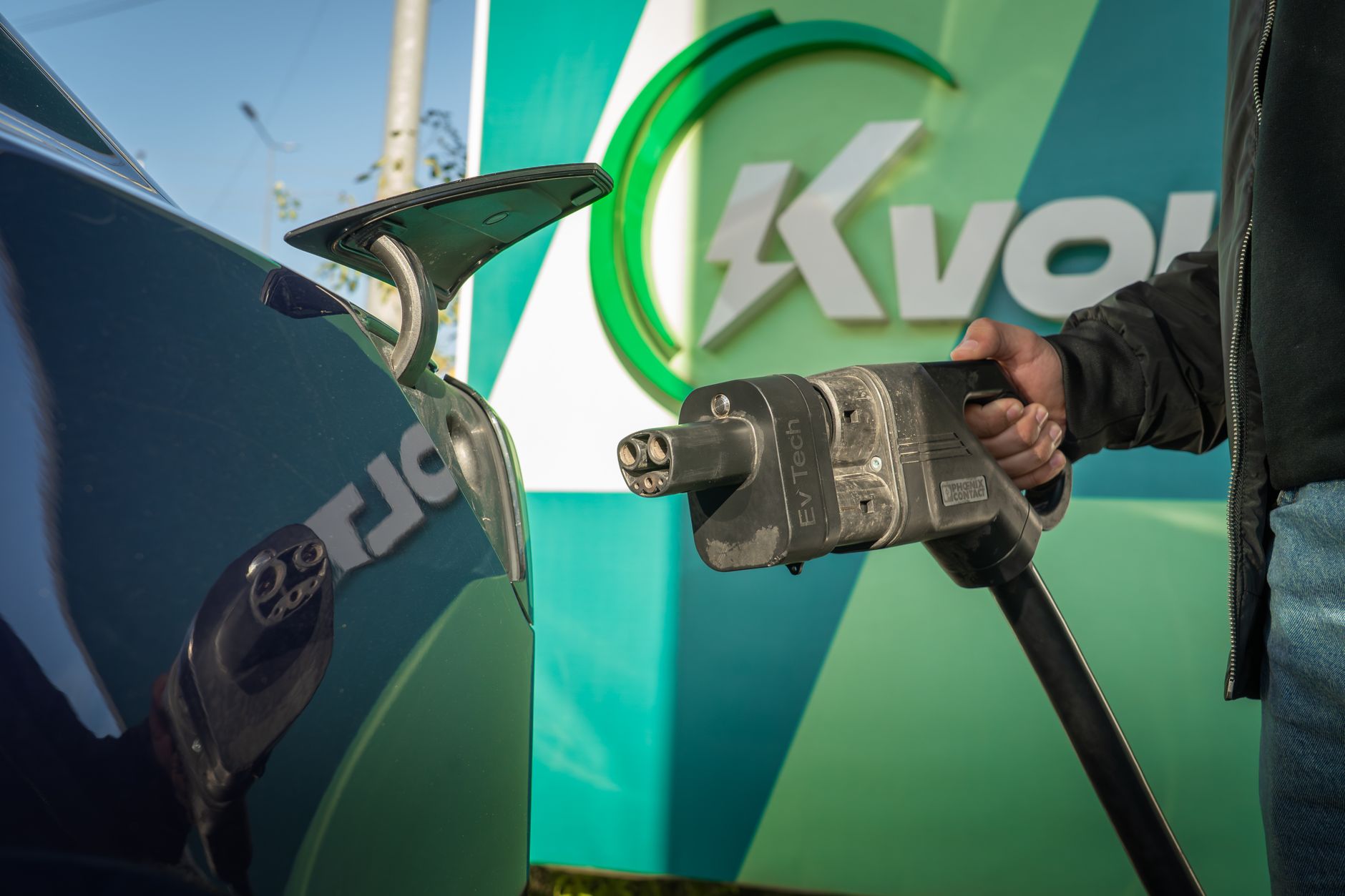
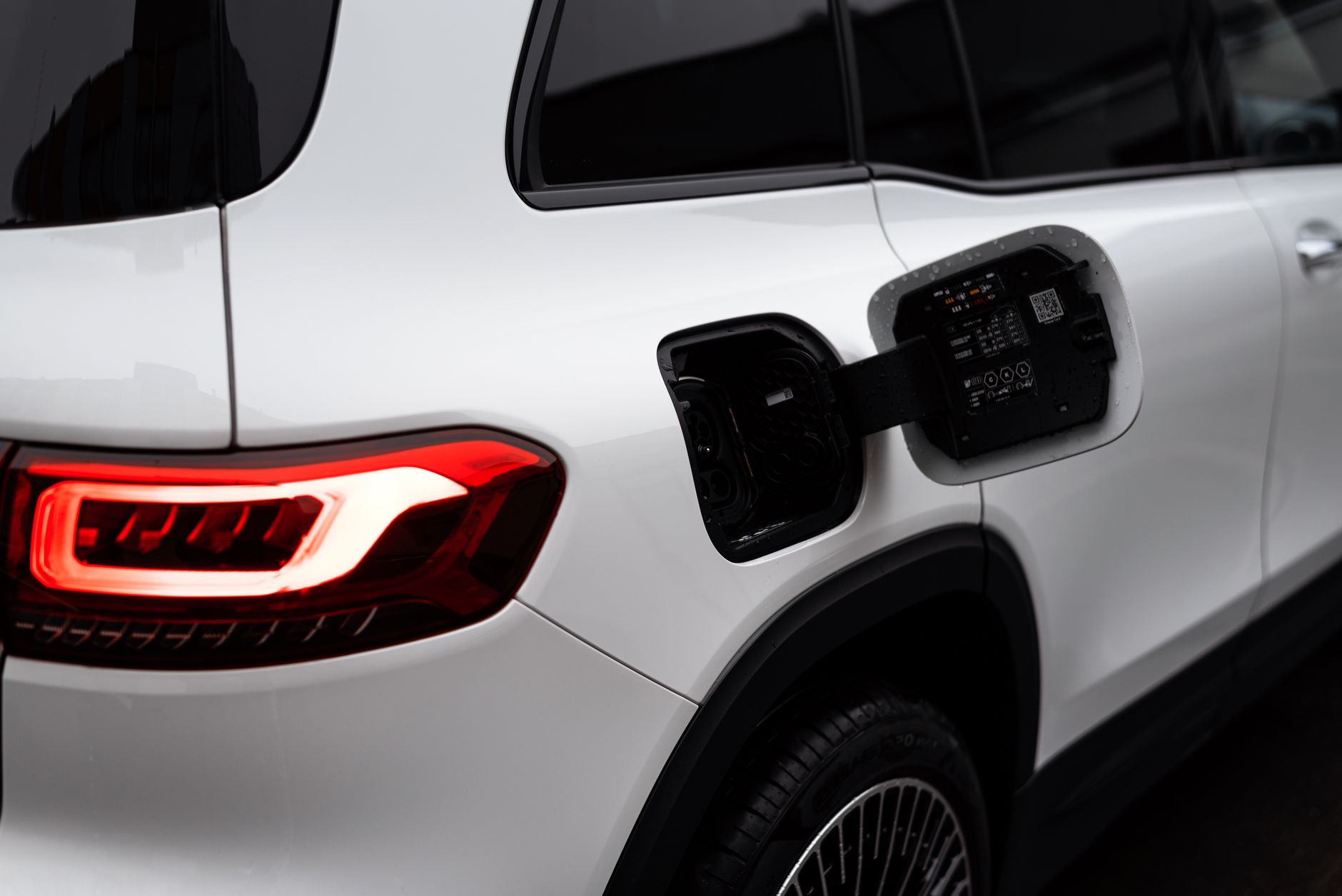
- Charging. Check the car’s maximum rapid-charging speed and that the connector suits the chargers you will use. Older Nissan Leafs use CHAdeMO, which is less common on new sites.
- Charging cable and software. Make sure the supplied cables are included and that software updates have been done.
- Tyres and brakes. EVs are heavy and wear tyres faster, while brakes can corrode from underuse.
- Finance and history. Run a history check for outstanding finance, write-offs and mileage discrepancies.
Myth: running costs make a cheap used EV a trap
Home charging on an overnight tariff is usually far cheaper per mile than petrol, while public rapid charging can cost much more and narrows the gap. If you cannot charge at home, work out your likely cost per mile before buying. Servicing is generally simpler than on combustion cars, though specialist repairs, such as battery work, can be expensive out of warranty.
Road tax is the change to watch. From April 2025, zero-emission cars registered after that date began paying standard vehicle excise duty, and the expensive car supplement applies to some models. Check the current position on GOV.UK’s vehicle tax rate tables for the car you are considering.
How to read the price
Compare several similar cars by age, mileage and battery size rather than relying on one advert. A larger-battery version usually costs more, but for motorway drivers the extra range can be worth it. Cars that were heavily discounted when new may now be cheaper than rivals with the same specification.
Data on specification and battery details can help here. The Car Data Wiki lists technical details for Xpeng models, which is handy if a lesser-known Chinese import has caught your eye and you want to compare battery size and charging figures against a better-known rival.
If you are unsure about a particular car, pay for an independent inspection with a battery report. It costs little against the price of a bad purchase.
Frequently Asked Questions
Why are used electric car prices dropping in the UK?
Prices are dropping because more ex-lease and fleet EVs are reaching the market while new electric cars are being discounted heavily. Buyers also worry about battery life and charging, which has held back demand for older models.
Is it a good time to buy a used electric car?
For many buyers, yes, because the steepest depreciation has already been taken by the first owner. Good value depends on battery health, your charging access and the individual car, so check each one carefully.
How do I check the battery health of a used EV?
Ask the seller for a battery state-of-health report, or pay for an independent diagnostic. Compare the real-world range shown with the original figure and confirm how much battery warranty remains.


Leave a Reply