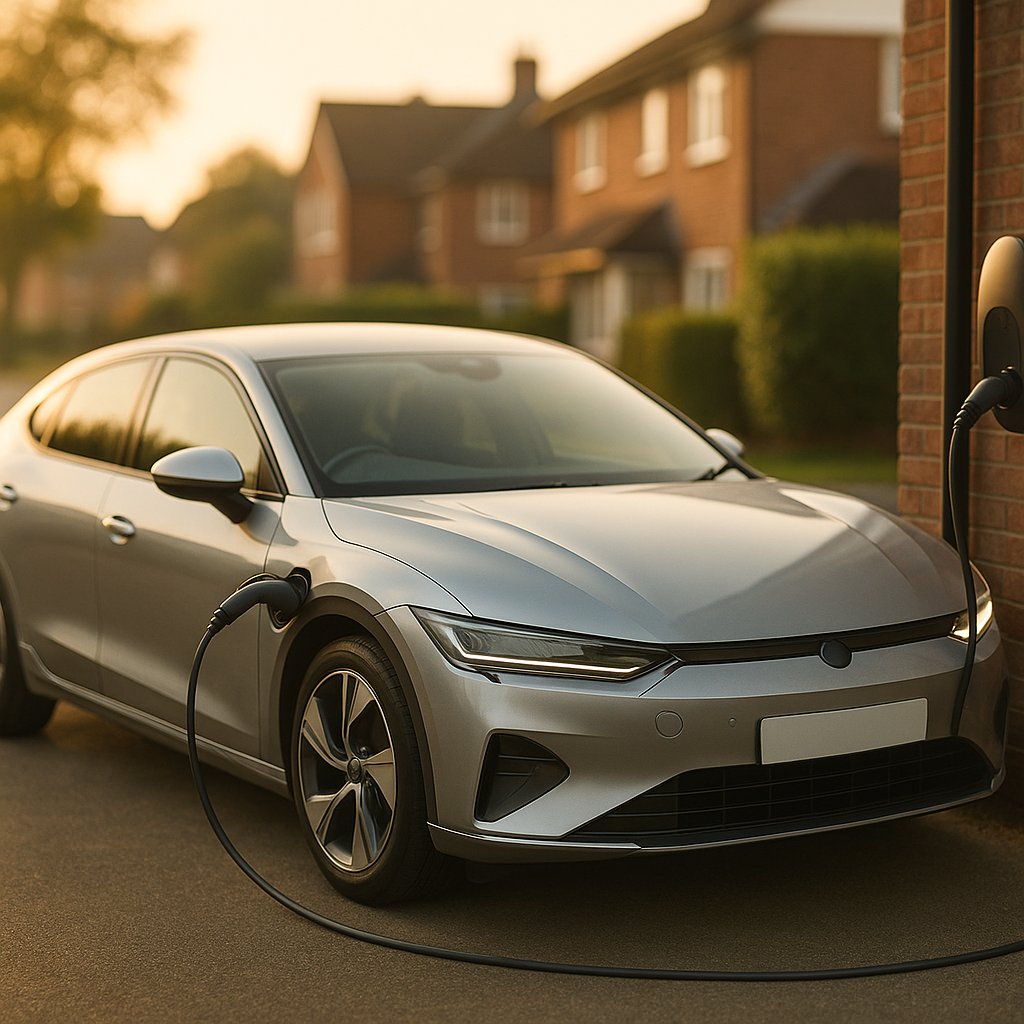
The UK car market 2026 is in a genuinely fascinating place right now. It is not a clean narrative of smooth electric transition and happy manufacturers. It is messier, more competitive, and arguably more interesting than any period since the post-pandemic supply chaos of 2021 and 2022. New models are arriving thick and fast, established brands are scrambling to reposition, and buyers are making decisions under a unique mix of regulatory pressure, cost-of-living hangover, and improving EV infrastructure.
If you are thinking about buying a car this year, or simply want to understand where the market is headed, here is the honest picture.
New Model Launches Defining the UK Car Market in 2026
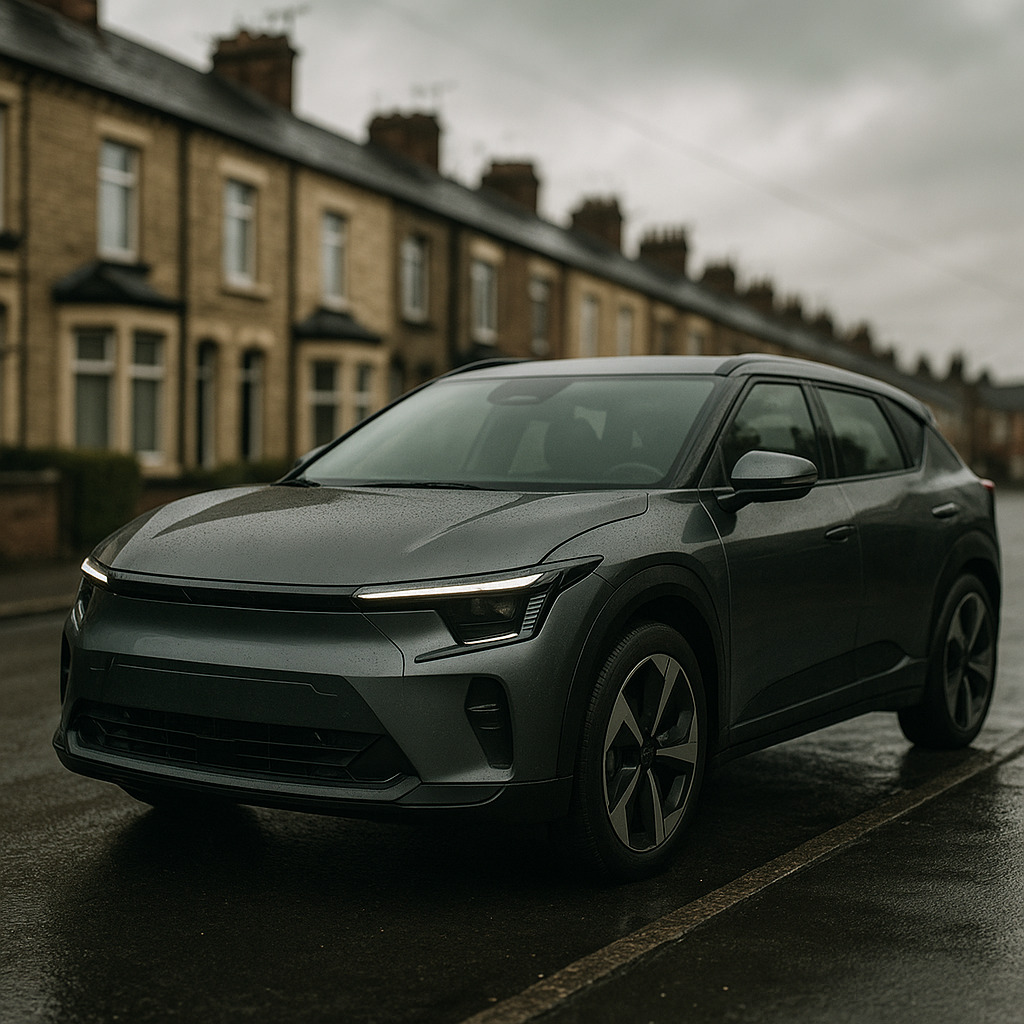
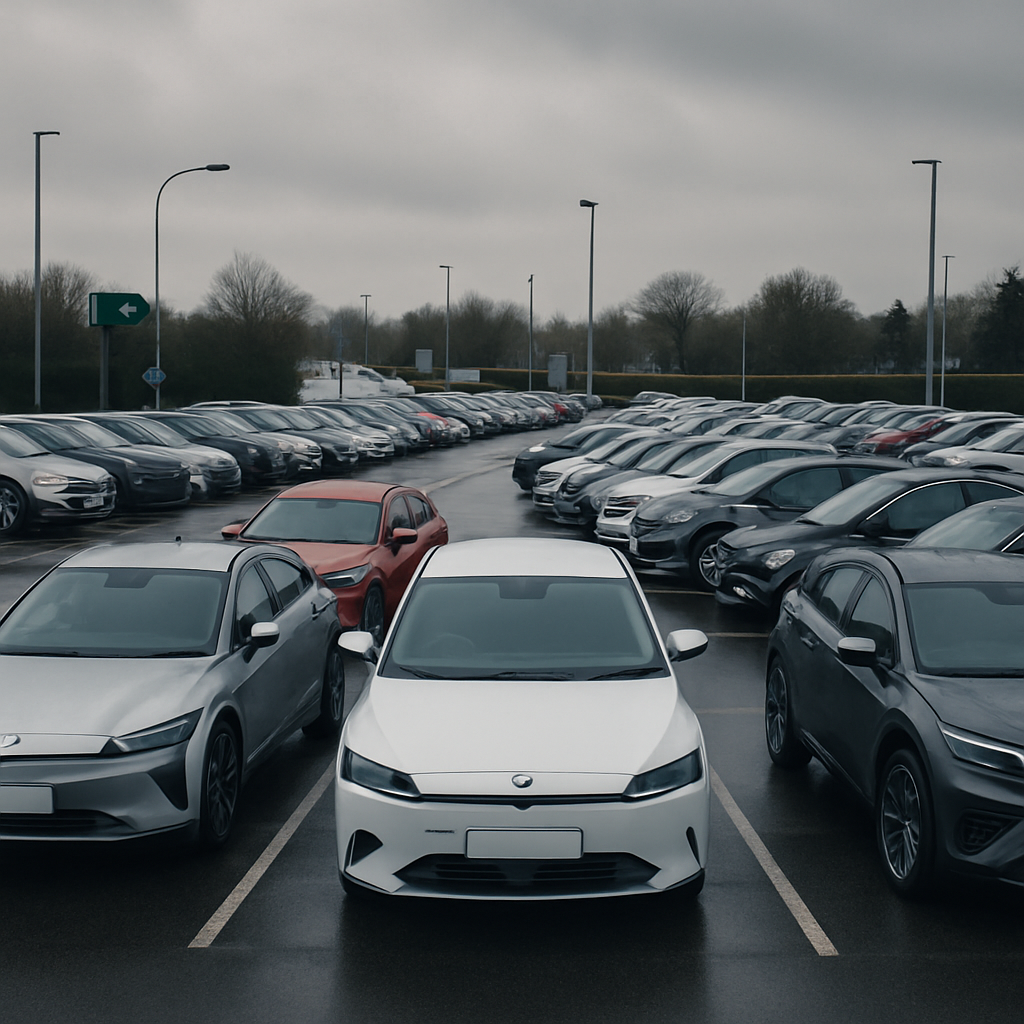
There has been a genuine flood of new metal arriving on forecourts in 2026. The electric segment is getting genuinely crowded at last. Renault’s revived 5 E-Tech has proven enormously popular, bringing affordable city-car credentials to a segment that badly needed them. Volkswagen’s ID.2 is due for UK deliveries later this year and is already generating significant pre-order interest. Meanwhile, Hyundai and Kia continue to take chunks out of the premium segment with models that offer near-luxury quality at mainstream prices.
On the performance side, Porsche refreshed the Macan EV lineup for 2026 with extended range and revised pricing, while BMW expanded its M offerings with mild hybrid integration across more variants. Stellantis brands, including Vauxhall, pushed heavily into electric commercial vehicles, which is quietly one of the bigger stories of the year for small business owners and tradespeople.
The Chinese brand question is no longer theoretical. BYD has established a physical presence with UK dealerships, and MG, which has been Chinese-owned for years, continues to grow its market share. Buyers are responding to the value proposition even if some remain cautious about long-term support and residuals.
EV Adoption: Better Than the Headlines Suggest
The media narrative around electric vehicles has been relentlessly gloomy, but the actual registration data tells a more nuanced story. According to figures from the Society of Motor Manufacturers and Traders (SMMT), battery electric vehicles accounted for a rising share of new registrations in early 2026, with fleet and business uptake particularly strong. The Zero Emission Vehicle mandate is doing its job of pushing manufacturers to prioritise EV availability, even if private buyer uptake still lags behind fleet.
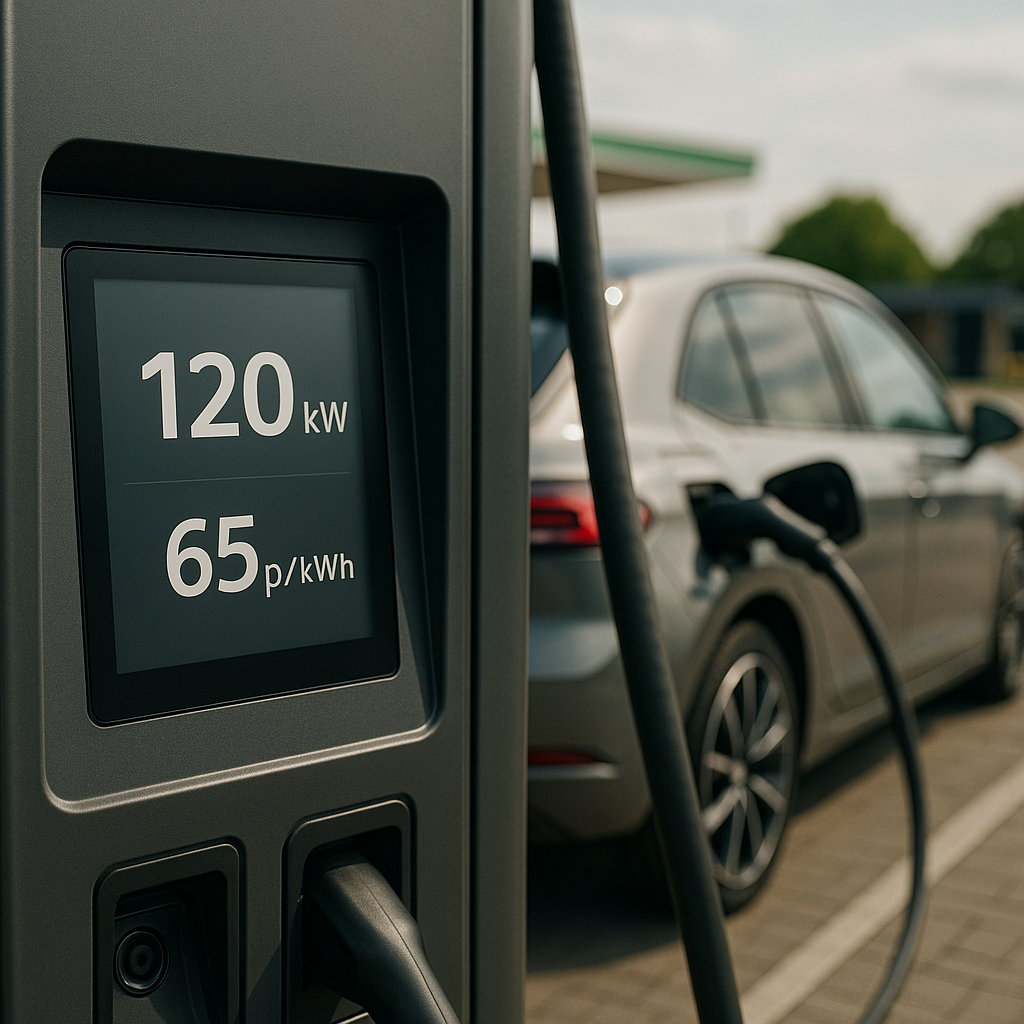
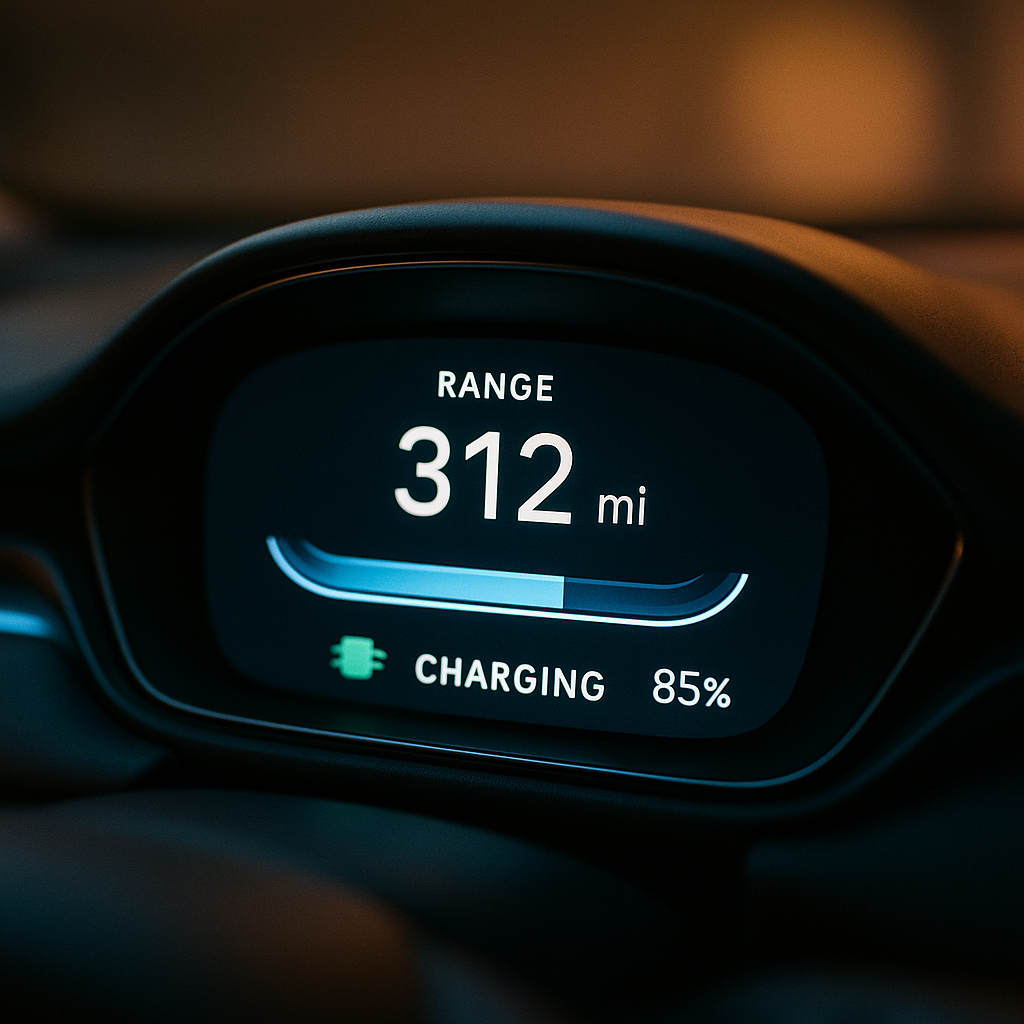
Public charging infrastructure has improved considerably in the past 12 months. Gridserve, BP Pulse, and Pod Point have all expanded their rapid charging networks, and the government’s commitment to charging hubs near motorway services is beginning to pay off in practical terms. Range anxiety is not dead, but it is less of a blocker than it was in 2024.
The real sticking point remains price. Entry-level EVs are closer to combustion equivalents than ever, but there is still a premium for most models. The Autumn 2025 Budget’s decision to extend the plug-in vehicle grant for smaller EVs helped, though the amounts remain modest. You can read the latest government guidance on EV incentives and the ZEV mandate at gov.uk.
Brand Performance: Who Is Winning and Who Is Struggling
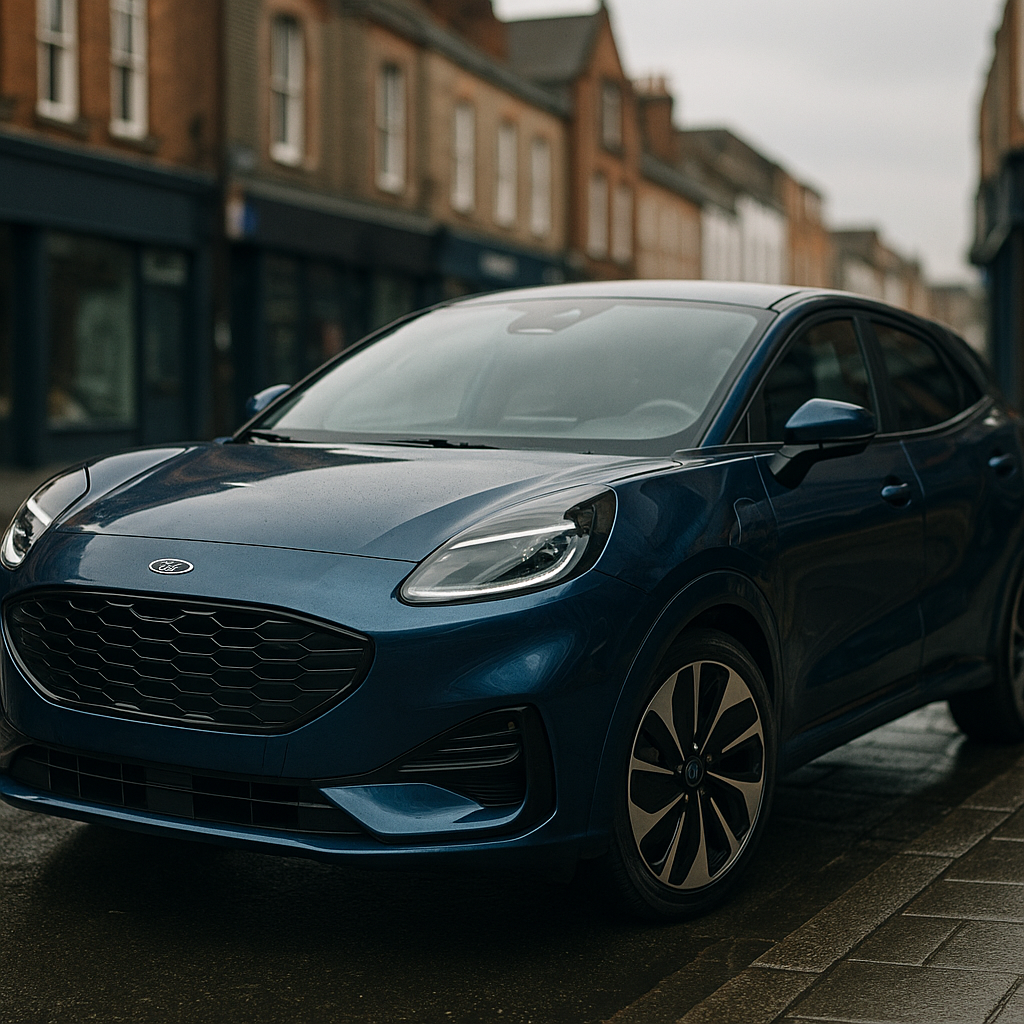
Ford remains the best-selling brand in the UK by volume, though its grip on that position is less comfortable than it once was. The Puma in both petrol and electric form continues to do enormous numbers, and the Kuga hybrid is a consistent fleet favourite. But Ford’s longer-term EV strategy still looks uncertain relative to some rivals.
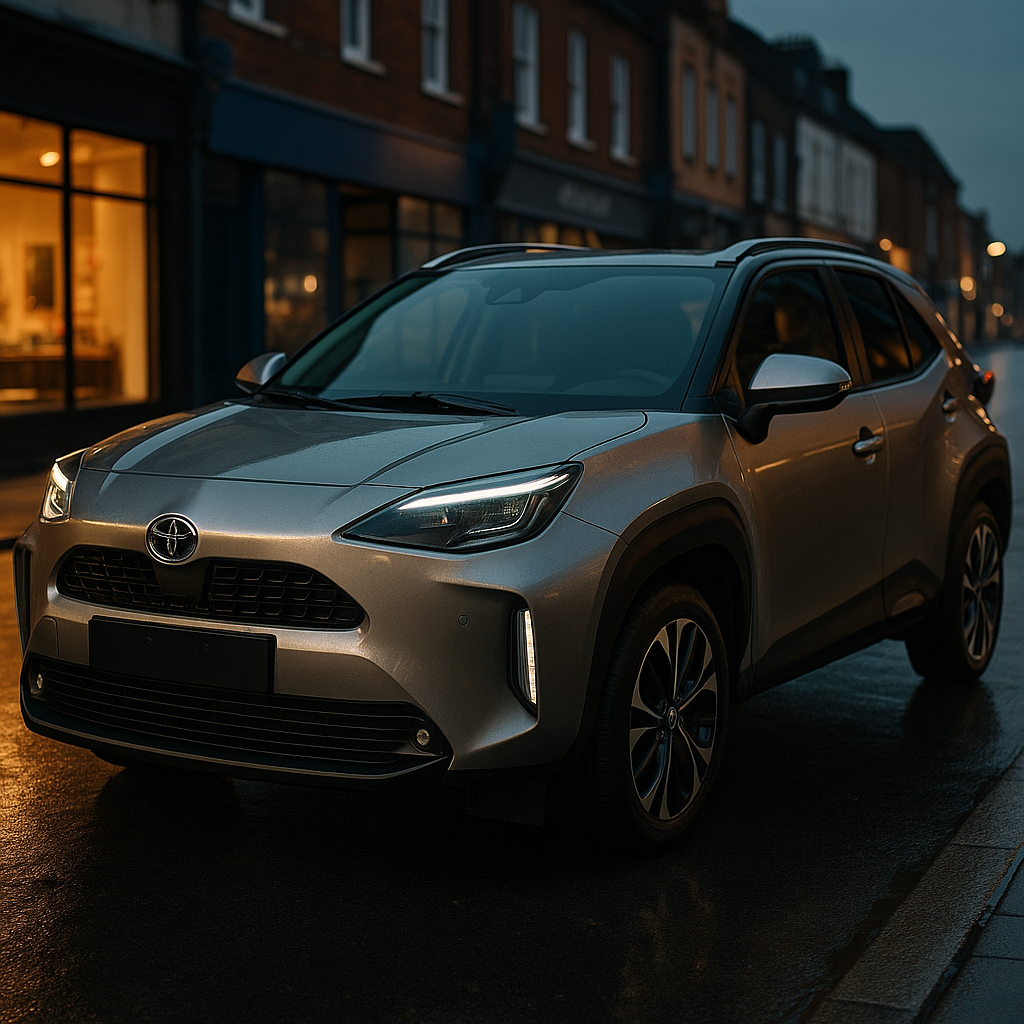
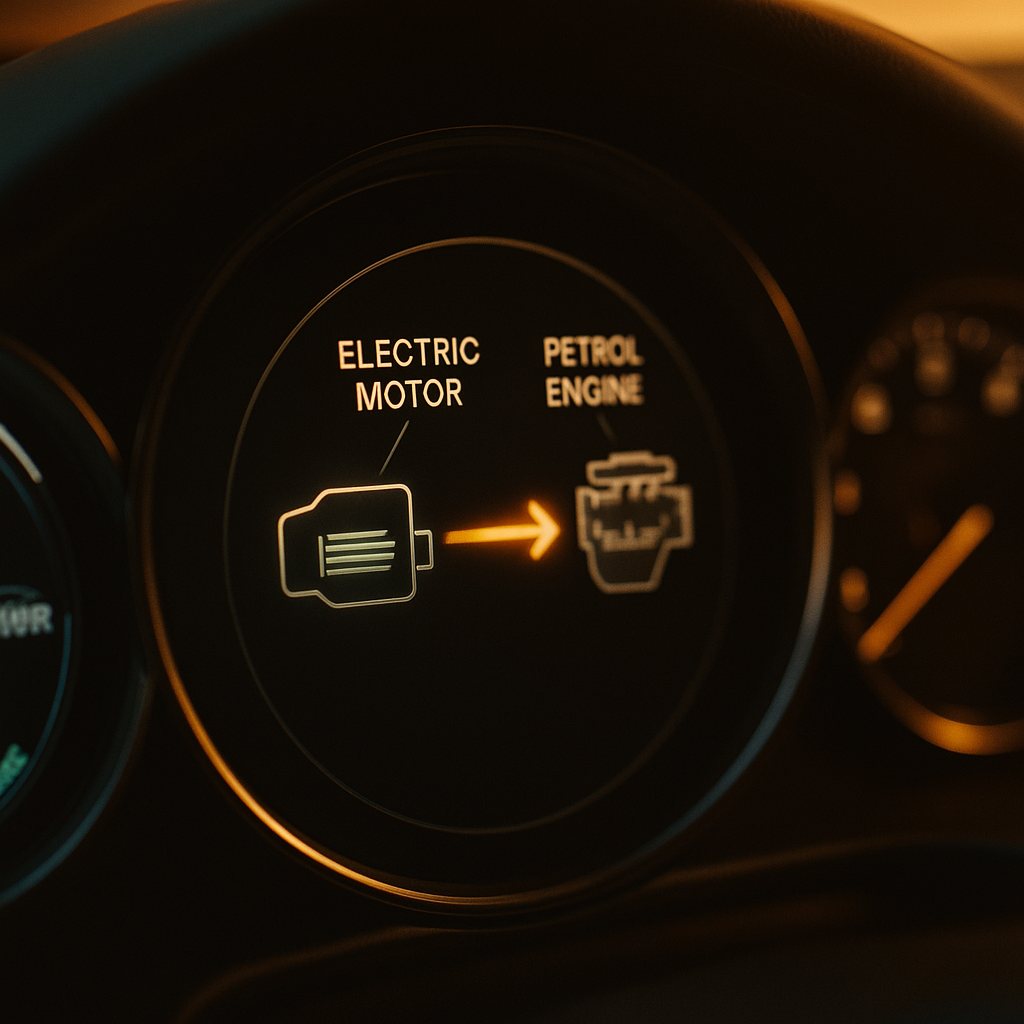
Toyota is quietly having one of its best stretches in years. The Yaris Cross, RAV4 and C-HR hybrids have found a huge audience among buyers who want lower running costs without committing fully to battery electric. Their self-charging hybrid positioning has turned out to be a very effective message for a particular type of cautious buyer.
Volkswagen Group brands have had a more difficult time. VW itself has faced factory closures in Germany, restructuring pressure, and some internal pricing inconsistency on its ID. range. That said, Skoda and SEAT/Cupra continue to punch above their weight on value, and the Cupra Born remains one of the more enjoyable electric hatches you can buy in this market.
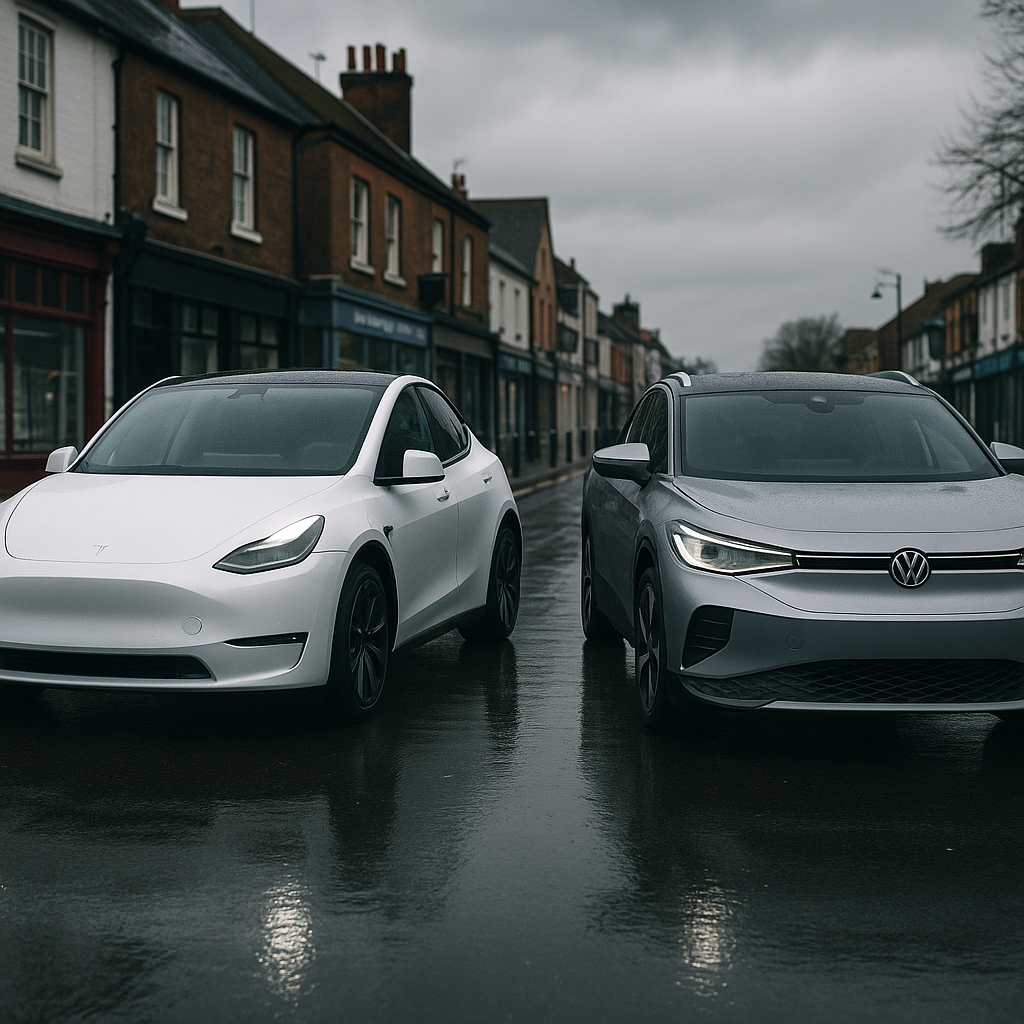
Tesla’s UK position is interesting. Sales have softened compared to the peaks of 2023 and 2024. The Model Y refresh helped arrest the decline, but increased competition from Polestar, Hyundai Ioniq 6, and BMW i4 means Tesla no longer operates in a near-monopoly space in the premium EV segment. Competition is healthy, and buyers are benefitting.
What Buyers Should Actually Be Watching in 2026
The used car market is still worth understanding before you buy new. Values have softened on early electric vehicles, which creates real opportunity for buyers prepared to absorb slightly older technology. A used Nissan Leaf or early ID.3 now represents exceptional value if you have home charging sorted.
Residual values on new EVs are becoming more predictable, which helps PCP finance calculations. Lenders and manufacturers have had to get smarter about this, and the guesswork of 2022 and 2023 is largely gone. That said, Chinese brand residuals remain an unknown and are worth scrutinising carefully if you are buying on finance.
Insurance costs across the board have remained stubbornly high. The Association of British Insurers reported average premium increases in recent years that have not fully reversed, meaning the total cost of ownership calculation is not purely about fuel. Factor insurance in early, particularly on EVs, where repair costs for complex battery systems can push premiums up significantly.
The Bigger Picture for the UK Car Market
The UK car market 2026 is not in crisis, but it is absolutely in transition. Manufacturers are navigating ZEV mandate targets, cost pressures from electrification R&D, and a buying public that is genuinely split between combustion, hybrid, and electric. There is no single dominant story.
What is clear is that the choice available to UK buyers right now is arguably the best it has ever been. Whether you want a practical electric family car under £35,000, a performance hybrid saloon, or a frugal city runabout, 2026 has options across all of those categories that simply did not exist three years ago. The UK car market in 2026 rewards informed buyers who do their homework on running costs, infrastructure, and long-term ownership rather than simply responding to marketing.
The next 12 months will be telling. How the ZEV mandate targets shake out for manufacturers, whether Chinese brands establish genuine long-term credibility, and whether public charging confidence continues to improve will all shape what 2027 looks like. Watch the registration data closely. It tells you more about where the market is genuinely heading than almost any press release.
Frequently Asked Questions
How is the UK car market performing in 2026?
New car registrations in the UK have remained broadly stable in 2026, with electric and hybrid vehicles taking a growing share of the market. Fleet sales are leading the EV charge, while private buyers are increasingly drawn to hybrid options as a stepping stone.
Are electric car sales increasing in the UK in 2026?
Yes, battery electric vehicle registrations have continued to rise, driven partly by the ZEV mandate requiring manufacturers to meet EV sales targets. Infrastructure improvements and competitive new model launches have helped sustain buyer interest.
Which car brands are selling the most in the UK right now?
Ford holds the top spot by overall volume, with Toyota performing strongly on the back of its hybrid range. Hyundai and Kia have taken significant market share in the electric and crossover segments, while Chinese brands like BYD and MG are growing steadily.
Is now a good time to buy a new car in the UK?
Model choice and competitive pricing make 2026 a solid time to buy, particularly in the EV segment where new entrants are forcing prices down. It is worth comparing total running costs including insurance and charging rather than focusing solely on the sticker price.
What is the ZEV mandate and how does it affect car buyers?
The Zero Emission Vehicle mandate requires UK car manufacturers to sell a rising percentage of electric vehicles each year, or face financial penalties. For buyers, this means better EV availability and more aggressive pricing as brands push to meet their targets.