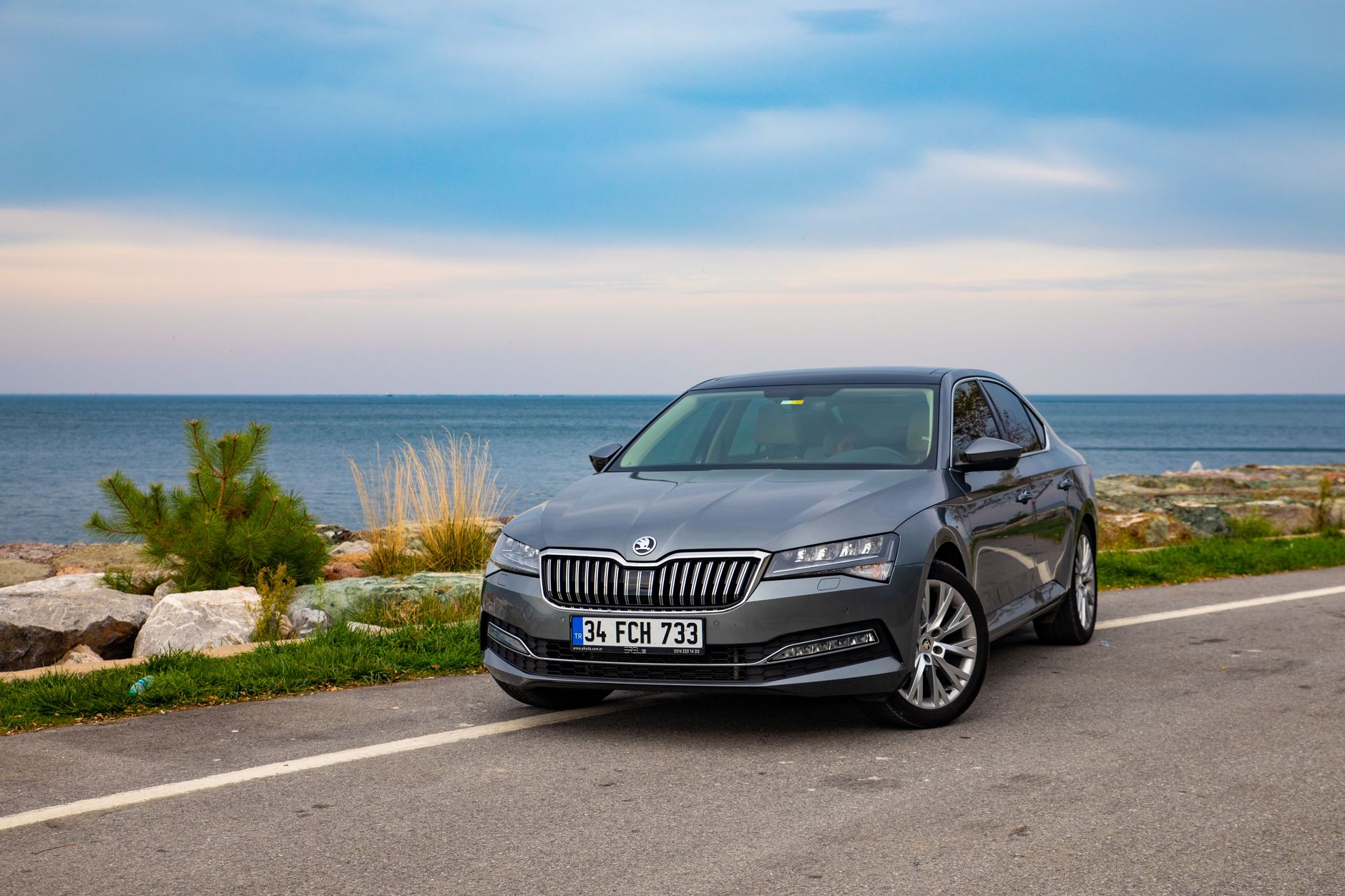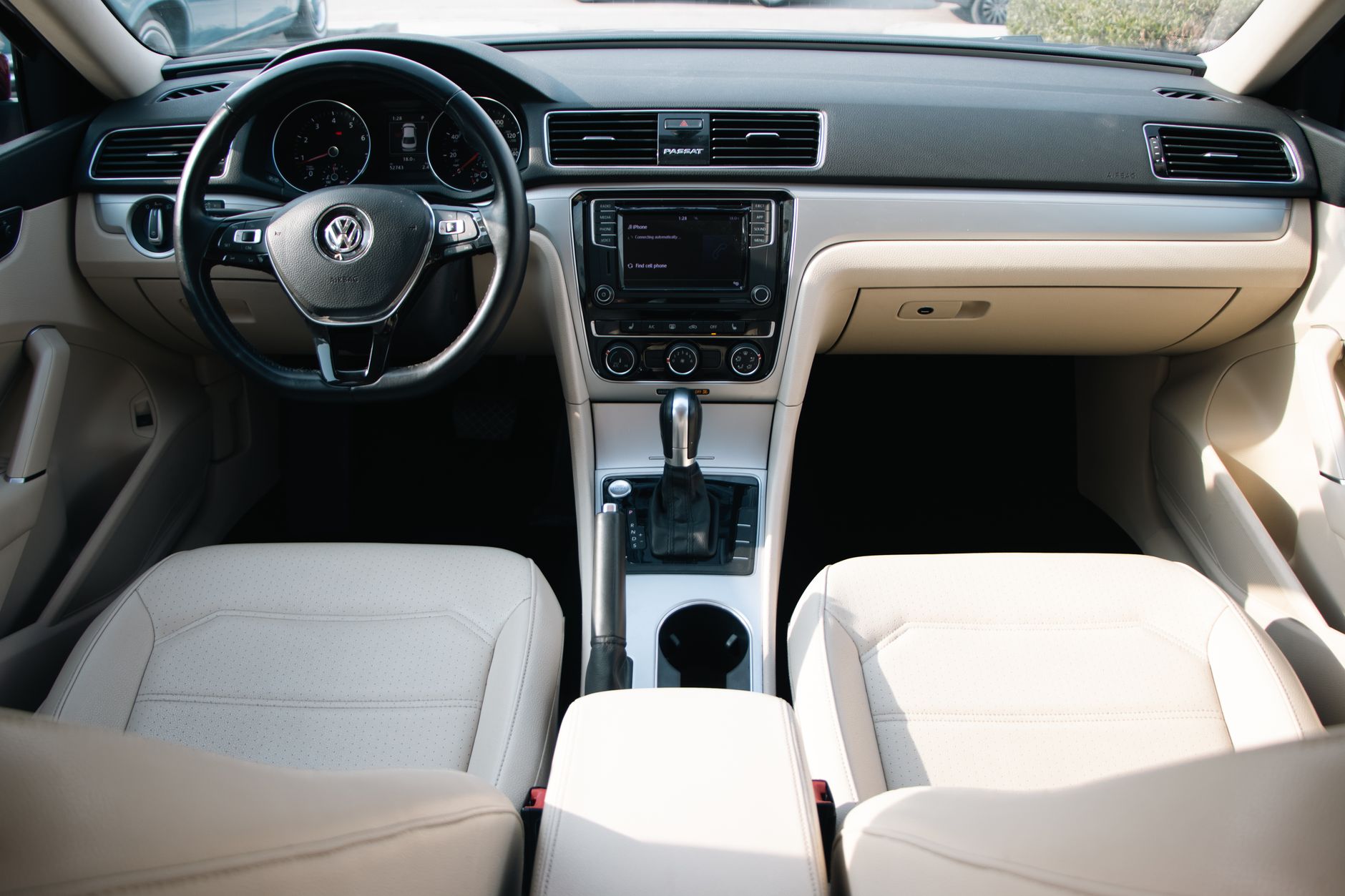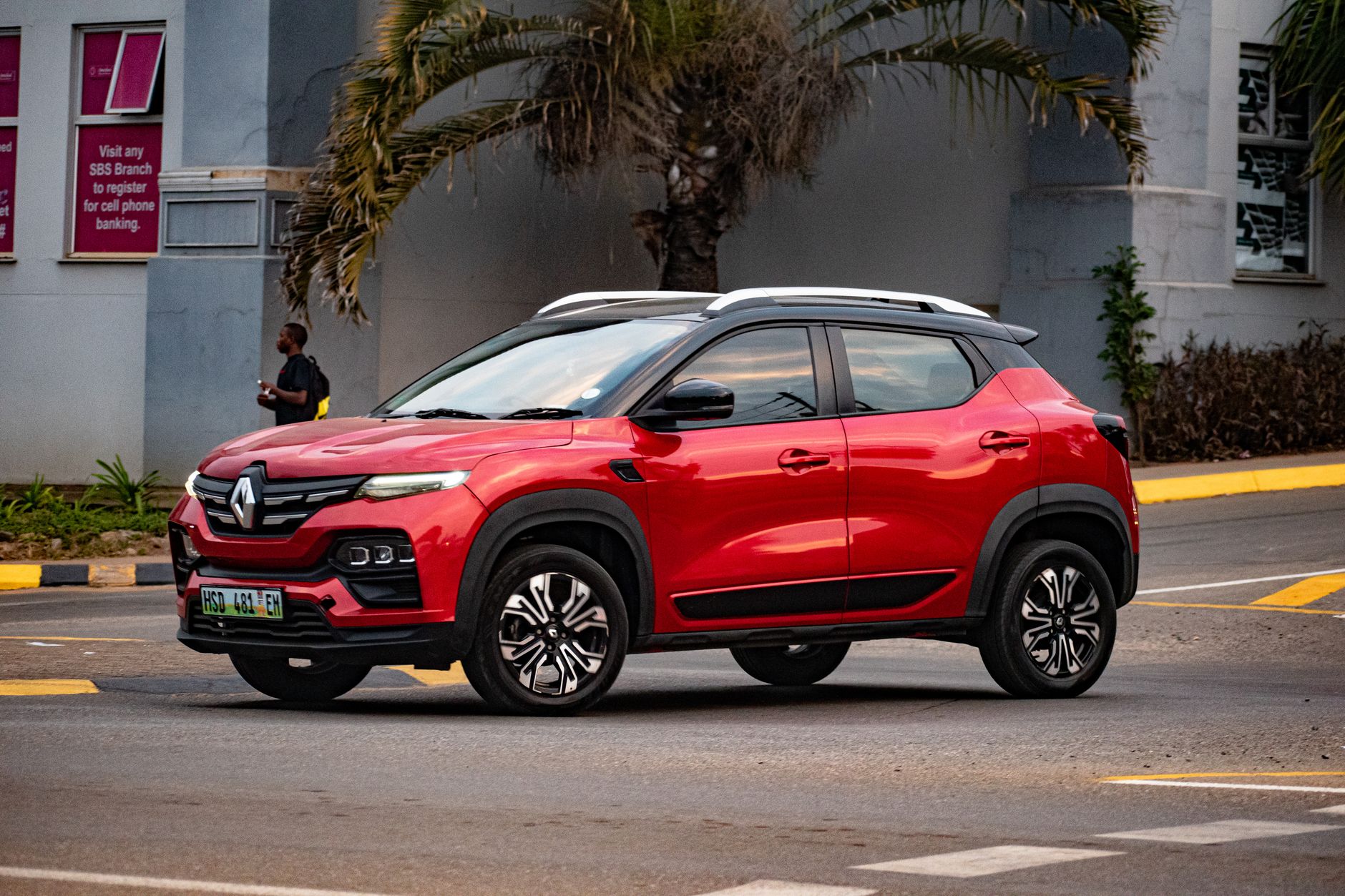
The peugeot 208 vs vauxhall corsa 2026 uk debate has been rumbling along for years, and it genuinely matters. These are two of Britain’s best-selling cars, full stop, not just in their class. According to the Society of Motor Manufacturers and Traders (SMMT), both regularly feature in the UK’s top ten registration charts. I’ve spent time with both in petrol and electric forms over the past few months, and the honest answer is that the “right” choice depends far more on your specific situation than most comparison articles let on.
What’s actually on offer in 2026
Both cars share the same corporate bones. Peugeot and Vauxhall are both under the Stellantis umbrella, which means the platform, some powertrains, and plenty of components are shared. The 208 comes in three flavours: a 1.2-litre turbocharged petrol in 75hp, 100hp, and 130hp outputs, plus the e-208 with a 156hp electric motor and a 54kWh usable battery. The Corsa mirrors this almost exactly with its own petrol range and the Corsa Electric, which uses the same drivetrain as the e-208. WLTP range for both electric versions sits at around 222 miles, though real-world figures on UK A-roads are closer to 170-190 miles depending on speed and temperature.
On paper, then, you’re buying near-identical technology wrapped in different suits. But in practice, they drive quite differently and ownership is a genuinely different experience.
How they drive on real UK roads
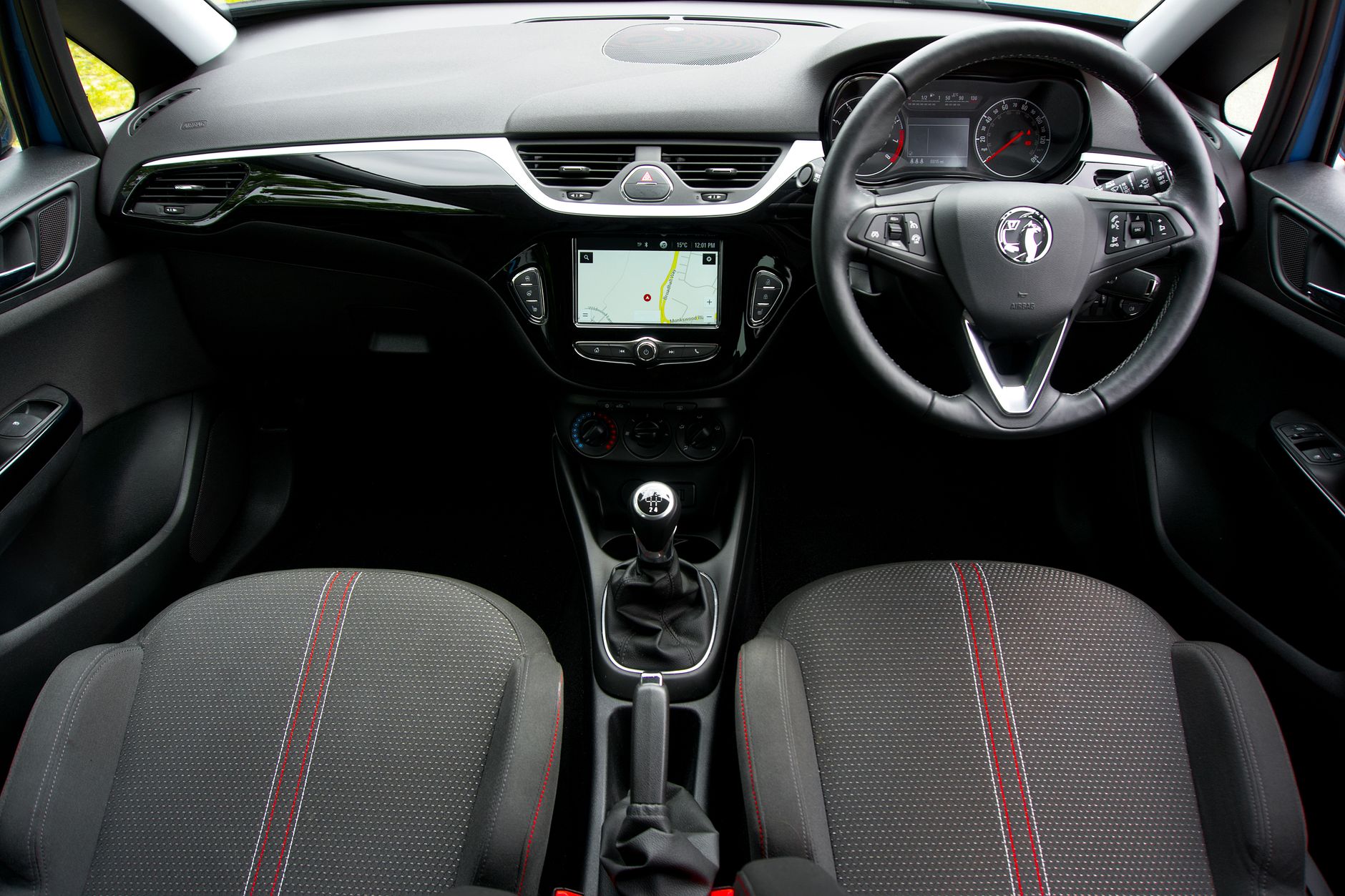
The 208 has the edge for driving feel. Peugeot’s small steering wheel and elevated instrument cluster take some getting used to, but once you’re settled the chassis has a natural confidence that the Corsa doesn’t quite match. The 130hp petrol version in particular is genuinely entertaining on a B-road, with responsive steering and a suspension tune that manages the British pothole problem better than you’d expect from a supermini. I’d put it alongside the Toyota GR86 and Mazda MX-5 on the fun-per-pound scale in this class, which is saying something.
The Corsa is softer in character. That’s not a criticism; plenty of buyers prefer the Corsa’s more relaxed approach to cornering. Ride quality in the Corsa is arguably better at low speeds, which matters enormously on the kind of cratered urban roads that wreak havoc on suspension components across the UK right now. If you’re doing 15,000 miles a year mostly in town and on dual carriageways, the Corsa may simply be more comfortable.
Running costs and cost of ownership compared
This is where things get interesting. The 100hp petrol 208 Active Premium starts at around £22,500. The equivalent Corsa Elite Nav is priced similarly, often within a few hundred pounds once dealer offers are accounted for. Both sit in insurance groups 10-15 depending on trim, so there’s little to separate them there.
Servicing is roughly comparable too, with both using 12-month or 10,000-mile service intervals and similar parts costs through Stellantis dealer networks. I’ve seen independent garages price 208 and Corsa servicing almost identically, which makes sense given the shared architecture.
Where the gap opens up is in the electric versions. The e-208 starts from around £31,000 before any government grant (and the plug-in car grant no longer applies to cars at this price point), while the Corsa Electric is priced within a couple of hundred pounds of it. Both qualify for home charging at 7.4kW or 11kW (three-phase), and public charging via a 100kW DC rapid charger gets the battery from 10% to 80% in around 30 minutes. If you’re thinking about the long-term picture of what running a petrol car will cost beyond 2030, the electric versions of both cars start making serious financial sense even at current electricity prices.
Residual values are close, though the 208 has historically held its value slightly better in the used market. Honest John’s data shows the 208 retaining roughly 40-42% of its value after three years at average mileage, versus 37-40% for the Corsa. Not a massive gap, but meaningful if you’re on PCP finance.
Reliability: the honest picture
Neither car has a spotless reliability record. The 1.2-litre Puretech engine that powers both petrol models has had a troubled history with timing belt failures and oil consumption. Stellantis made significant updates to the engine around 2022-2023, and the versions in 2026 cars should be considerably better, but I’d still recommend checking independent owner forums and Reliability Index data before committing. Warranty Direct and the Driver Power survey have both flagged the three-cylinder petrol as a weak point in earlier generations.
The electric versions, by contrast, have proved mechanically straightforward. Fewer moving parts, no belt to worry about, and the battery warranty covers eight years or 100,000 miles on both. My view is that if you can stretch to the electric version and your usage suits it, the reliability argument actually swings in favour of the EVs.
Dealer networks and ownership experience
Vauxhall wins this one on volume. With around 240 franchised dealers across the UK, Vauxhall’s network is denser, particularly outside major cities. If you live in rural Scotland, the Welsh valleys, or parts of Northern Ireland, finding a Vauxhall dealer within a reasonable drive is generally easier than finding a Peugeot retailer. For servicing and warranty work, that matters.
Peugeot has been consolidating its network over the past few years, which has improved the quality of individual dealerships but reduced coverage in some areas. The move towards larger, agency-model outlets means the experience is more consistent, but if proximity is your priority, check the Peugeot dealer locator before signing anything.
Both brands offer connected app functionality for the electric models, remote pre-conditioning, and over-the-air software updates, though neither is as slick in this respect as Tesla or some of the Chinese brands now entering the UK market.
Which makes more sense for UK commuters?
For a typical UK commuter doing 30-40 miles a day, mostly urban with occasional motorway runs, the electric versions of both cars are genuinely compelling. Charging overnight at home costs a fraction of petrol equivalents, and urban running is where these small platforms are happiest. If home charging isn’t an option, the petrol 100hp version of either car is perfectly adequate, economical, and easy to live with.
My honest recommendation: if you’re leaning towards petrol and prioritise driving enjoyment, take the 208. If you want maximum comfort and the best dealer network reach, the Corsa is a solid choice. On the electric side, the e-208 edges ahead on residuals and driving character, but the Corsa Electric is genuinely competitive and worth a back-to-back test drive before you decide.
Both cars are available through PCP, lease, or outright purchase, and the monthly figures can look very similar depending on deposit and term. If you haven’t already read our breakdown of leasing versus buying in the UK, that’s worth a look before you commit either way. The supermini class has never been more competitive, and that’s good news for buyers prepared to do their homework.
Frequently Asked Questions
Is the Peugeot 208 or Vauxhall Corsa cheaper to run in 2026?
Running costs are very similar for both petrol versions, given the shared 1.2-litre engine and near-identical service intervals. On the electric side, both the e-208 and Corsa Electric use the same drivetrain architecture, so charging costs and maintenance bills are comparable. The 208 holds its residual value slightly better, which can reduce the effective cost on PCP finance.
What is the real-world electric range of the e-208 and Corsa Electric in the UK?
Both have a WLTP-rated range of around 222 miles, but in UK real-world conditions, particularly in winter or at motorway speeds, expect 170-190 miles. Urban commuting will typically return figures closer to the official rating, making both well-suited to daily commutes under 40 miles.
Which car has the better reliability record, the 208 or the Corsa?
Both share the same 1.2-litre Puretech petrol engine, which had documented issues in earlier versions relating to timing belt wear and oil consumption. Stellantis updated the engine significantly, and 2026 models should be more dependable. The electric versions of both cars have a cleaner reliability picture overall, with eight-year battery warranties providing additional peace of mind.
Does Vauxhall have a better dealer network than Peugeot in the UK?
Yes, Vauxhall has a larger and more geographically spread dealer network across the UK, with around 240 franchised sites. This is particularly relevant outside major cities, where Peugeot’s dealer footprint is thinner following network consolidation in recent years.