Pick-up trucks occupy a genuinely odd corner of the UK market. They are taxed as commercial vehicles, driven by farmers, tradies and school-run parents alike, and they have grown in the last decade from utilitarian workhorses into genuinely comfortable dual-purpose machines. The Ford Ranger and the Toyota Hilux are the two names that come up every single time someone asks which one to buy. I’ve spent time in both on UK roads, from the M1 in the outside lane to single-track Derbyshire lanes that would make a Range Rover driver wince. Here is what I actually think.
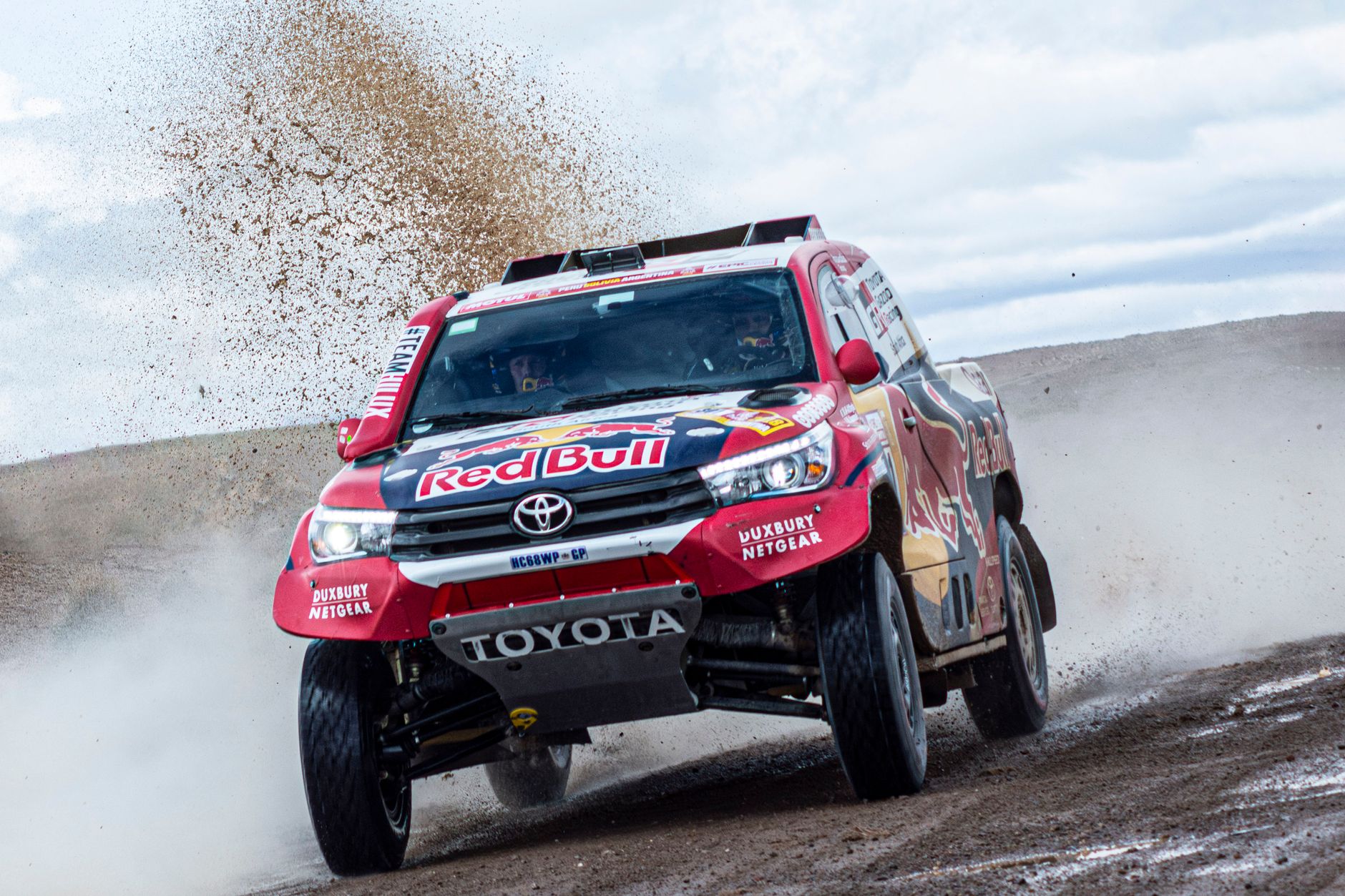
How the Ford Ranger vs Toyota Hilux 2026 comparison starts: on paper
Both trucks are available in a cluster of trim levels, but most UK buyers are choosing between mid-spec and top-spec variants in double-cab configuration. The Ranger sits on a 2.0-litre bi-turbo diesel in most UK configurations, producing 210 PS and 500 Nm of torque. The Hilux sticks with its 2.8-litre four-cylinder diesel, making 204 PS and 500 Nm. On numbers alone, they are almost identical. The differences emerge the moment you look at payload and towing.
The Ranger in Wildtrak guise carries a payload of around 892 kg, while the Hilux 2026 nudges its rated payload to approximately 1,045 kg depending on specification. That gap matters more than it sounds. If you are regularly loading tools, aggregate, or agricultural kit, the Hilux’s advantage becomes tangible. Both trucks are rated to tow 3,500 kg braked, which is the maximum allowed without a specialist licence under current DVLA regulations. For anyone towing a twin-axle caravan, that ceiling is the same, so neither has a meaningful edge there. I’d point anyone confused about how towing ratings actually work towards our piece on towing capacity explained for UK drivers, because the numbers on the brochure and the numbers you can legally use are not always the same thing.
Tax treatment: the real reason many buyers choose a pick-up
This is where things get interesting, and where the Ranger and Hilux both have a genuine, measurable advantage over any car or SUV. Both qualify as light commercial vehicles under HMRC’s rules, which means they attract a flat-rate Benefit-in-Kind (BiK) tax charge rather than the percentage-of-list-price method applied to cars. For the 2026/27 tax year, that flat rate is £3,960 per year. For a higher-rate taxpayer, that works out to roughly £1,584 annually in BiK tax. Compare that to a diesel Range Rover Sport, where a 40% taxpayer could face well over £8,000 in BiK, and the pick-up advantage is stark.
HMRC has tightened the rules around what qualifies as a commercial vehicle in recent years, so anyone buying a truck for both business and personal use should check the current guidance at gov.uk before assuming the flat rate applies automatically. The short version: the vehicle must be primarily designed for carrying goods or loads, and both the Ranger and Hilux pass that test as standard. Aftermarket conversions can complicate things, so be careful.
Real-world fuel economy on British roads
WLTP figures for both trucks sit in the 28-32 MPG range depending on spec and wheel size. My experience on UK roads is predictably less rosy. On the A-road and dual-carriageway loop I use for back-to-back tests, the Ranger returned around 29 MPG driven sensibly, with the Hilux coming in at 27 MPG over a similar route. Neither figure will surprise anyone who has run a diesel SUV, but pick-ups do suffer more than saloons on motorway runs above 60 mph because of aerodynamics. The Ranger’s slightly more aerodynamic cab shape gives it a gentle edge at speed.
In town, both are thirsty. I recorded closer to 22-24 MPG in mixed urban traffic around Sheffield. If your primary use is urban commuting, a pick-up is probably the wrong tool. If you are covering miles on A-roads and dual carriageways with regular payload use, the fuel penalty versus a similar SUV shrinks to something manageable.
How they drive on UK roads
The Ranger is the more polished machine. Ford’s engineers have spent the last few development cycles softening the ride and sharpening the steering, and it shows. On the A57 Snake Pass, the Ranger felt almost car-like, with composed body control and a steering weight that gives you actual confidence. The Hilux, by contrast, rides harder when unladen. It is not uncomfortable by the standards of a decade ago, but next to the Ranger it is noticeably more truck-like. Some buyers will prefer exactly that; there is something honest about the Hilux that the Ranger’s civility almost papers over.
The Ranger’s interior is genuinely impressive. The latest generation brought Ford’s SYNC 4 system with a large portrait touchscreen, wireless Apple CarPlay, and a driving position that would not embarrass a Transit Custom. The Hilux’s cabin is functional and well-built, but Toyota hasn’t pushed the infotainment forward at the same pace. If you spend long hours in the cab, the Ranger is more comfortable over a full working day.
Reliability and long-term ownership
The Hilux has a reputation that borders on mythology, and most of it is deserved. Toyota’s 2.8-litre diesel engine has been in production long enough that its failure modes are well understood and relatively rare. The Hilux is the choice of aid organisations and remote-territory operators worldwide for a reason. That said, the Ranger is far from fragile. Ford has millions of units in global fleets and the 2.0 bi-turbo diesel has matured into a dependable unit. The 10-speed automatic gearbox is the one component I’d watch; some early examples had calibration issues, though Ford has addressed most of those through software updates.
If you are buying used, the Hilux’s long-term parts supply is worth considering. There is a healthy aftermarket ecosystem, and suppliers like NSUKSpares.com stock a comprehensive range of components for owners looking to maintain their truck outside of the dealer network. That kind of parts availability matters when a truck is working hard in a rural or trade context.
Price and which buyers each truck suits
Both trucks sit in a similar price bracket. The Ranger Wildtrak starts at around £38,500 new, while the Hilux Invincible X pushes closer to £44,000 at the top of the range. That is meaningful money, and it is worth remembering that the real cost of running any vehicle extends well beyond the purchase price once you factor in fuel, servicing, insurance, and depreciation. Pick-ups tend to hold value well by passenger car standards, particularly the Hilux, which has a loyal enough following to sustain strong residuals in the used market.
My honest read: if you run a business, carry heavy loads regularly, and need a truck that will take genuine punishment over many years with minimal fuss, the Hilux is the more serious tool. If you want a truck that doubles as a comfortable daily driver, has a better standard infotainment setup, and rides more smoothly on Britain’s increasingly battered roads, the Ranger is the one to choose. Anyone weighing up EV alternatives might also want a read of the options available; the current EV discount landscape in 2026 makes some alternatives worth a look, though the electric pick-up segment in the UK remains thin.
Both trucks are good. Neither is a wrong answer. But they are different machines aimed at buyers who, once they have driven both, will usually know exactly which one fits their life.
Frequently Asked Questions
Is the Ford Ranger or Toyota Hilux cheaper to run in the UK?
The Ranger typically returns slightly better fuel economy on motorways, around 29 MPG versus 27 MPG for the Hilux in real-world testing. Both attract the same flat-rate Benefit-in-Kind tax as commercial vehicles, so running costs are broadly similar, though the Hilux tends to hold its value a little better at resale.
Which pick-up truck has the higher payload, Ranger or Hilux?
The Toyota Hilux has a rated payload of approximately 1,045 kg in standard double-cab specification, compared to around 892 kg for the Ford Ranger Wildtrak. If you regularly carry heavy loads for work, the Hilux’s advantage is meaningful.
Do both the Ford Ranger and Toyota Hilux qualify for commercial vehicle tax treatment?
Yes, both qualify as light commercial vehicles under HMRC’s rules, meaning they attract a flat-rate BiK charge rather than the percentage-of-list-price method used for cars. For 2026/27, that flat rate is £3,960 per year, though you should verify your specific use case with HMRC guidance before assuming eligibility.