

If you have ever shopped for microfibre towels and wondered what is GSM in car detailing, you are not alone. It is one of those terms that gets thrown around in product descriptions, but many enthusiasts are not fully sure how it affects washing, drying and polishing.
What is GSM in car detailing exactly?
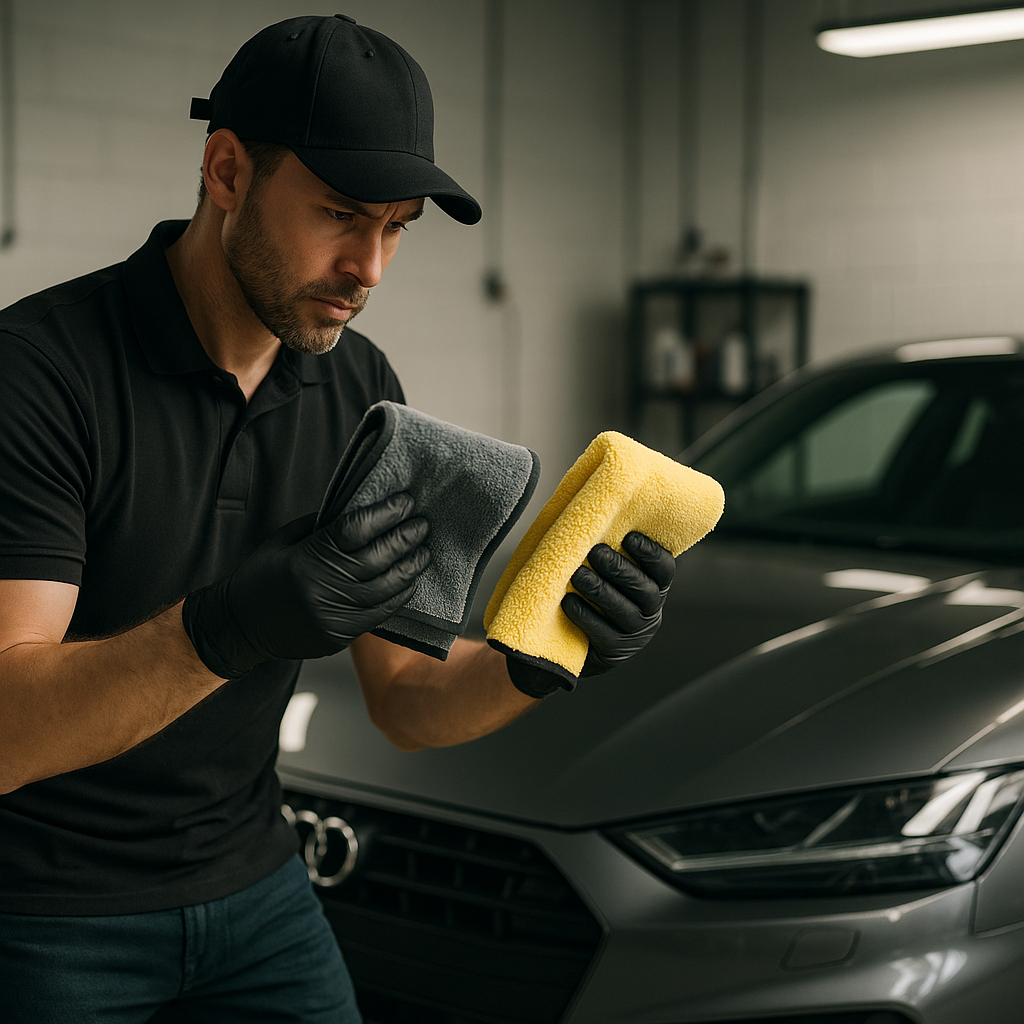
GSM stands for grams per square metre. In simple terms, it is a measure of fabric density and weight. For detailing towels, a higher GSM usually means a thicker, plusher towel that can hold more water or product, while a lower GSM tends to be thinner, lighter and often more suited to tasks where you want less drag on the surface.
Most quality microfibres for cars sit somewhere between 200 and 1,400 GSM. The number alone does not tell you everything about performance, but it is a useful comparison tool when you are choosing towels for specific jobs like drying, buffing or interior cleaning.
Why GSM matters for paint safety
Understanding what is GSM in car detailing matters because the wrong towel can introduce marring, especially on softer clear coats. Plush, higher GSM towels trap dirt deeper in the fibres, away from the paint, which reduces the risk of dragging contaminants across the surface. Thinner, low GSM cloths can be perfectly safe too, provided the surface is already very clean and you are using proper lubrication.
For contact washes and rinseless washes, many detailers favour mid to high GSM mitts and towels, as they combine good absorbency with a gentle touch. For final buffing of waxes or sealants, a medium GSM towel can give better feedback and less tendency to load up with product.
Choosing the right GSM for each detailing task
Once you understand what is GSM in car detailing, you can build a small, purposeful towel arsenal rather than a random pile of cloths:
- Washing and rinseless washing (300 to 500 GSM): A medium to high GSM wash mitt or dedicated wash towel offers enough pile depth to pull grime away from the paint. Korean blend microfibres in this range are popular for their balance of glide and safety.
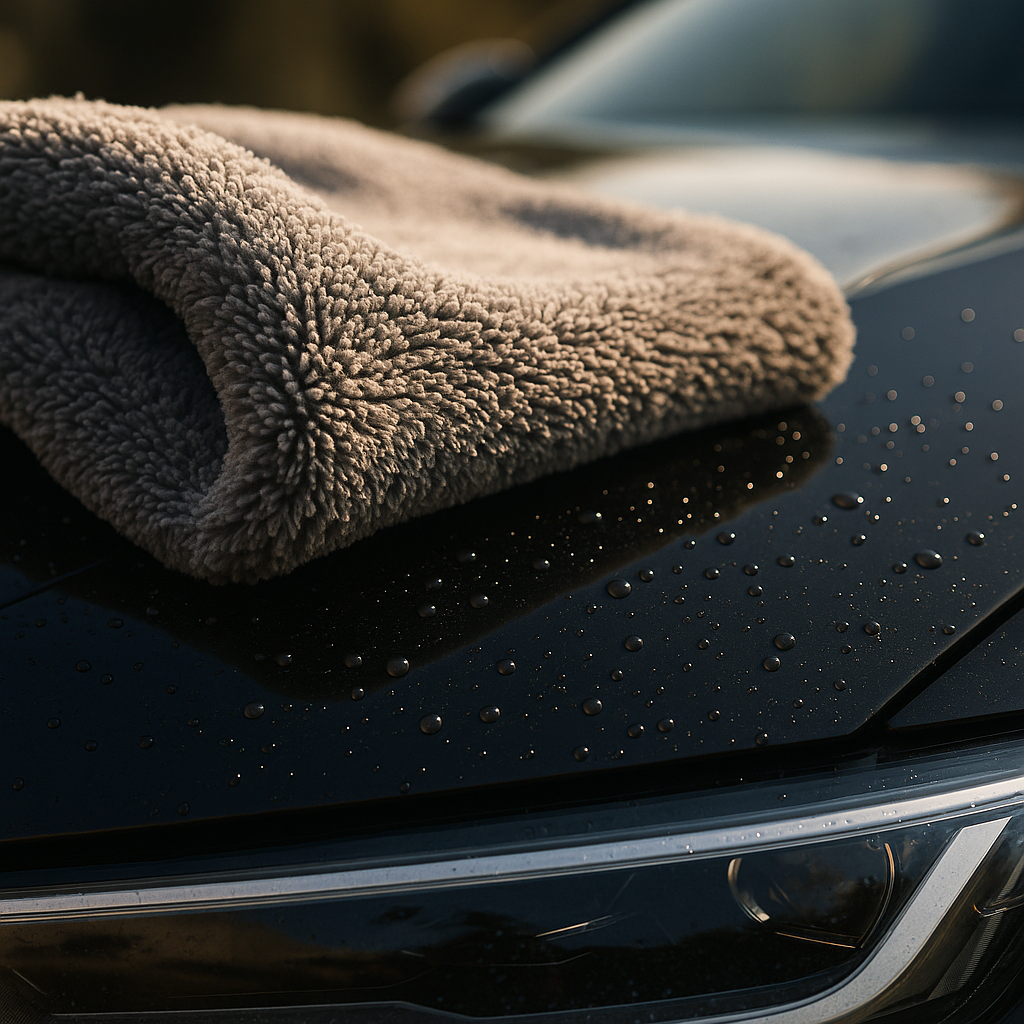
- Drying (500 to 1,400 GSM): Drying towels are where GSM really shows. Twisted loop or plush drying towels in the 600 to 1,000 GSM range can comfortably dry a full car with minimal passes. Extremely high GSM towels above this can feel luxurious but may become heavy when saturated.
- Polish and wax removal (300 to 400 GSM): For buffing compounds, polishes and waxes, a medium GSM towel often works best. It has enough bite to remove residue cleanly without smearing, but is still soft enough for clear coat.
- Interior and dirty jobs (200 to 300 GSM): Lower GSM, short pile towels are ideal for interiors, engine bays and exhaust tips. They are cheaper, easier to launder and you are not wasting premium plush towels on grimy work.
Other factors beyond GSM
While it is useful to know what is GSM in car detailing, it is only part of the picture. Fibre blend, weave, edge type and manufacturing quality matter just as much. Many enthusiasts now seek out edgeless or microfibre-edged towels to minimise the chance of hard stitching contacting the paint. The split of polyester to polyamide also affects softness and absorbency, with higher polyamide content generally feeling plusher.
The style of weave plays a role too. Twisted loop drying towels, waffle weaves and classic plush piles all behave differently on the panel. A 500 GSM waffle weave will not feel or perform the same as a 500 GSM plush towel, even though the weight is identical.
Real world use on modern performance cars
On modern performance machinery, where clear coats can vary from rock hard German finishes to softer Japanese paints, matching towel choice to the car is worth the effort. Owners of lightweight track specials or kit builds, like those often featured by Mantis Cars, tend to favour a small selection of high quality towels that cover everything from quick detailer wipe downs to full correction work.
What is GSM in car detailing FAQs
Is higher GSM always better for car detailing towels?
Higher GSM towels are thicker and more absorbent, which is great for drying and some wash methods, but they are not always better for every task. For polish removal or interior work, a medium or lower GSM towel can give more control and less drag. The best choice depends on the job you are doing, not just the number on the label.
What GSM microfibre towel should I use to dry my car?
For drying, many enthusiasts prefer towels in the 500 to 1,000 GSM range, often in a twisted loop or plush weave. This range balances absorbency, softness and ease of handling. Extremely high GSM towels can work well but may become heavy when saturated, especially on larger vehicles.
Can I use the same GSM towel for all detailing jobs?
You can use one GSM range for multiple tasks, but it is not ideal. A medium GSM towel may handle drying, buffing and interiors, yet each area benefits from something more tailored. Using separate towels for paint, glass and dirtier jobs reduces the risk of marring and helps each towel last longer.
Leave a Reply