Category: Cars

  • 2026 Ford Puma Gen-E Review: Is Britain’s Favourite Small Car Better as an EV?

    2026 Ford Puma Gen-E Review: Is Britain’s Favourite Small Car Better as an EV?

    The Ford Puma has been a consistent bestseller on British roads for years, regularly scrapping it out for a top-five spot in the monthly sales charts. So when Ford announced a fully electric version, the Gen-E, there was genuine interest. Not just from EV converts, but from the enormous pool of Puma loyalists who drive one for the commute, the school run, and the occasional weekend dash to the Lakes. This Ford Puma Gen-E review covers everything that matters for a UK buyer: real-world range, how it charges, whether the boot is still as clever, how it drives, and whether the price tag makes any sense.

    The short version? It is more interesting than I expected. The longer version is below.

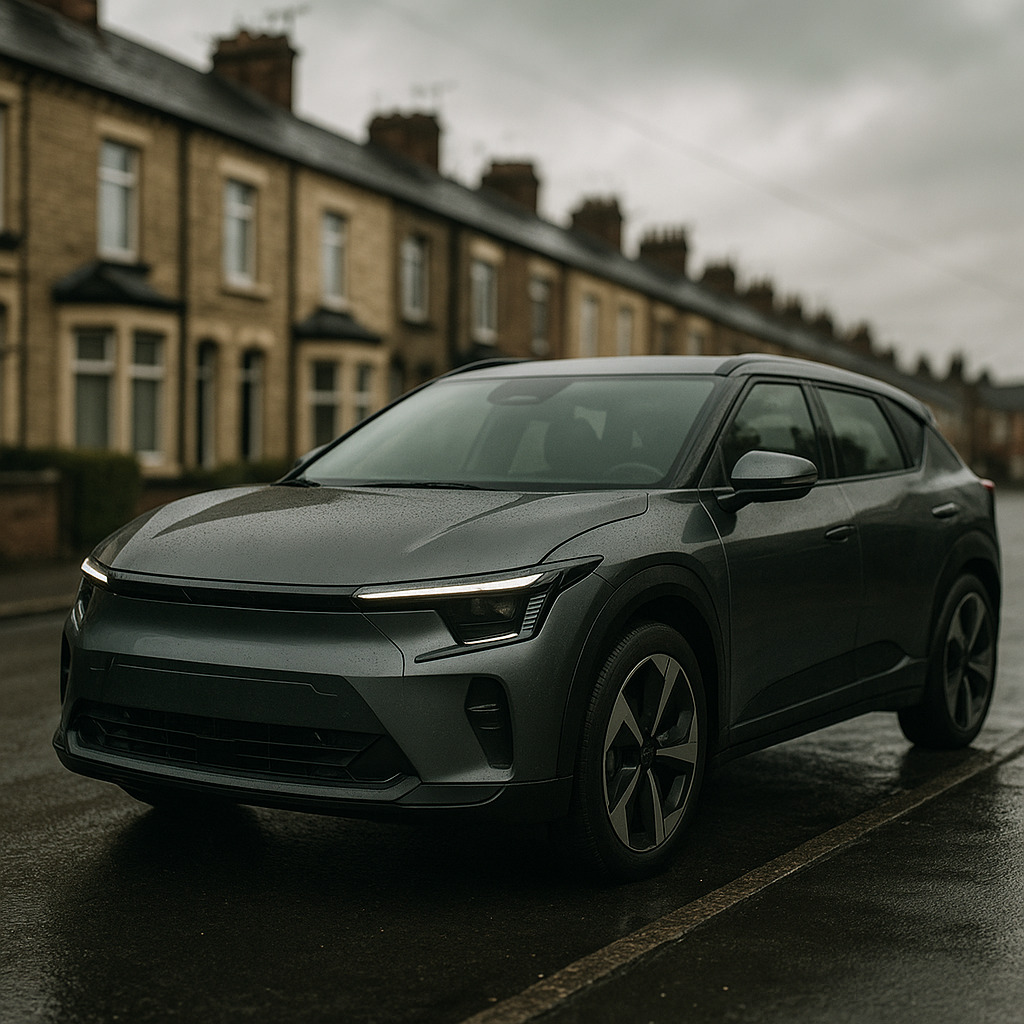
    2026 Ford Puma Gen-E on a British high street, subject of this Ford Puma Gen-E review
    2026 Ford Puma Gen-E on a British high street, subject of this Ford Puma Gen-E review

    What Is the Ford Puma Gen-E?

    The Puma Gen-E sits on a modified version of the MEB-adjacent platform that underpins several current small EVs, though Ford has done its own chassis work here rather than simply borrowing Volkswagen Group architecture wholesale. There is one powertrain: a 170 PS front-mounted electric motor paired with a 43 kWh usable battery. Ford claims a WLTP range of up to 233 miles. In practice, and we will get to this, real-world figures are noticeably lower, which is true of virtually every EV on the market.

    Trim levels run from a base Puma Gen-E Standard Range through to the fully loaded Premium trim with heat pump, 12-inch SYNC 5 infotainment, and a suite of driver assistance systems. Pricing starts at around £32,995, which puts it squarely against the Vauxhall Mokka Electric, the Renault Captur E-Tech plug-in, and the Volkswagen ID.3.

    Real-World Range: What to Actually Expect

    Ford’s WLTP figure of 233 miles is the optimistic ceiling. On a mixed run of A-roads and motorway in mild spring conditions, I averaged closer to 185 miles per charge. Drop that to a cold January morning on the M1 with the heater working hard, and 160 miles is a more honest expectation. That is not a catastrophe for a car of this size, but it is worth being clear-eyed about it.

    For the average UK commuter, with the average round-trip sitting well under 30 miles according to ONS data, that real-world range is entirely sufficient. You plug in at home, wake up to a full battery, and the range question essentially disappears. The trouble arises on longer journeys, where the 100 kW DC fast-charging capability starts to feel a little modest. At a rapid charger, Ford quotes 0 to 80 per cent in around 23 minutes. That is acceptable, not exceptional. The Vauxhall Mokka Electric tops out at a similar rate, but the ID.3 can charge at up to 170 kW, which is in a different league altogether.

    Charging Setup for UK Buyers

    Home charging via a 7.4 kW wallbox, which is the setup most UK buyers will have installed, takes around seven hours for a full charge from empty. Overnight, then. AC charging at public points maxes out at 11 kW, so a top-up during a supermarket visit or at a car park with chargers will add meaningful range in an hour. Ford has integrated plug-and-charge functionality at compatible networks, so you can skip the app faff at an increasing number of public locations. That alone makes a real difference to the day-to-day experience.

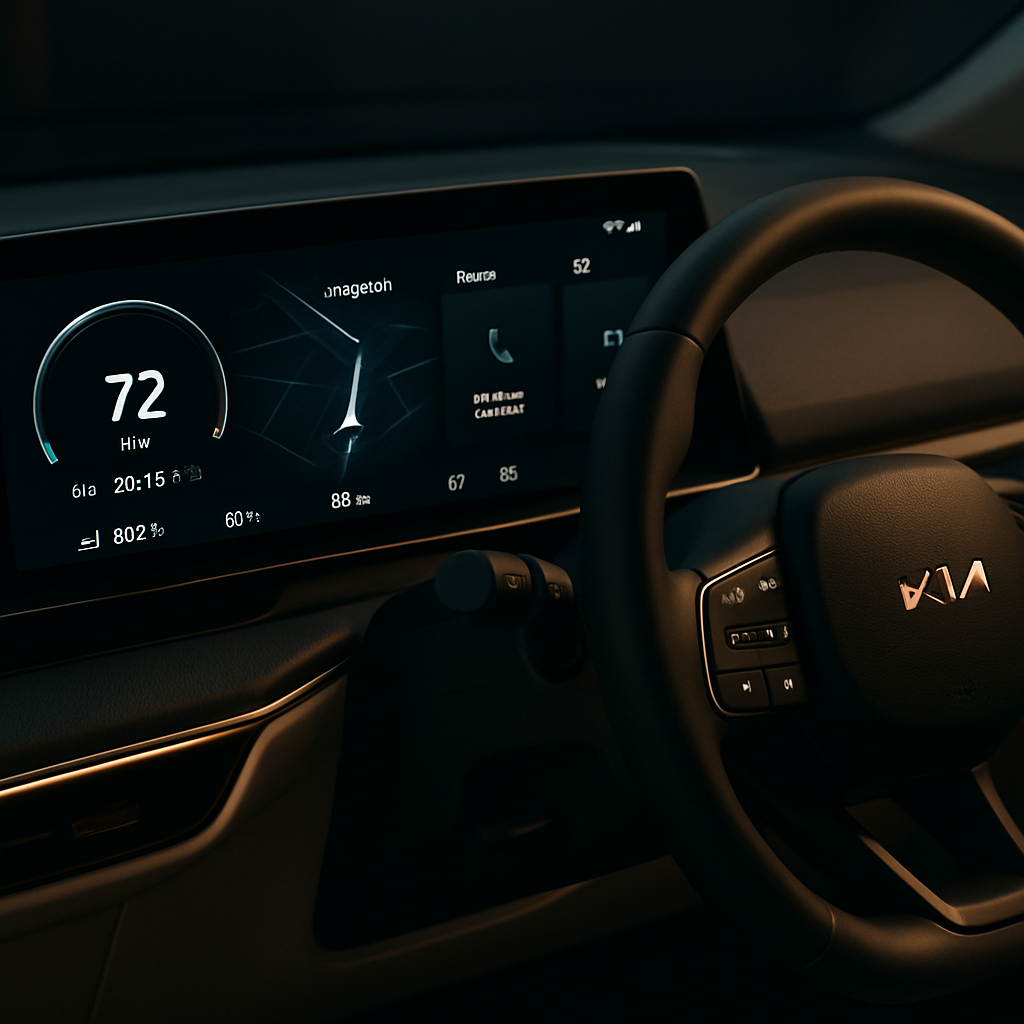
    Ford Puma Gen-E interior dashboard and SYNC infotainment as covered in our Ford Puma Gen-E review
    Ford Puma Gen-E interior dashboard and SYNC infotainment as covered in our Ford Puma Gen-E review

    Boot Space and Practicality

    The original Puma became something of a cult choice precisely because of its under-boot ‘MegaBox’, a deep, washable storage compartment beneath the boot floor that turned a 456-litre boot into something genuinely useful. The Gen-E retains the MegaBox, which is a significant decision. The battery pack is packaged tightly enough that Ford has preserved this feature rather than sacrificing it, as many rivals sacrifice their frunk or underfloor storage to accommodate EV hardware.

    Total boot volume is 523 litres with the rear seats up, actually slightly more than the petrol model, thanks to the way the battery sits beneath the floor rather than eating into cargo area. Rear legroom is fine for adults on shorter journeys; nobody will mistake this for an MPV. But for a small crossover, the Puma Gen-E is genuinely practical, and that is not something you can say about every EV in this class.

    How Does the Ford Puma Gen-E Drive?

    This is where things get genuinely impressive. Ford has long understood that its customers want a car that handles, not just one that ticks sustainability boxes. The Gen-E benefits from the inherent low centre of gravity that comes with a floor-mounted battery, and the chassis tuning feels noticeably sharper than you might expect from what is, on paper, a practical small crossover.

    Body roll is well controlled, the steering has enough weight to feel involving without being heavy, and the accelerator response in Sport mode is punchy without being aggressive. Ford quotes 0-62 mph in 6.5 seconds, which feels about right. It is quick enough to make urban driving genuinely enjoyable. On roundabouts and tight B-roads, it feels agile in a way that the petrol Puma does, which is saying something. Refinement is strong, too. Wind noise is well suppressed at motorway speeds, and the regenerative braking is adjustable, with a one-pedal mode that becomes second nature within a day of driving.

    Ride quality is on the firmer side, particularly on the larger 19-inch alloy options. Buyers who prioritise comfort might want to spec the 18-inch wheels, which smooth things out noticeably on typical British road surfaces.

    Is the Price Premium Worth It Over the Petrol Puma?

    The petrol Puma starts at around £24,000 in base EcoBoost trim. That is a gap of roughly £9,000 to entry-level Gen-E. Over a typical three-year ownership cycle, electricity costs versus petrol will claw some of that back, particularly if you charge predominantly at home on an off-peak tariff. Running costs for home-charged EVs in the UK remain substantially lower per mile than equivalent petrol cars, and the Gen-E qualifies for zero per cent Benefit-in-Kind taxation if you take one through a company car scheme, which is a compelling reason for business drivers to look seriously at it.

    For private buyers paying out of pocket, the maths is tighter. You would need to keep the car long enough for fuel savings to offset the purchase premium. That said, if you are already considering an EV and want something British in flavour (Ford does still class Puma as part of its European identity), practical, and genuinely fun to drive, the Gen-E makes a strong case.

    It is worth noting that, for those who run older 4x4s alongside newer EVs, aftermarket support matters enormously. Enthusiasts who also own something like a classic Land Cruiser alongside a daily driver EV often source Toyota Land Cruiser parts from specialist UK suppliers to keep older vehicles on the road, reflecting just how differently people approach their various vehicles’ running costs and longevity.

    How It Compares to Key Rivals

    Against the Vauxhall Mokka Electric, the Gen-E wins on driving dynamics and boot space almost every time. The Mokka is competent but uninspiring. Against the Renault Captur E-Tech plug-in hybrid, the Gen-E offers a simpler, cleaner ownership experience if you have home charging. The PHEV version of the Captur suits drivers who cannot charge at home but do significant motorway mileage. Against the VW ID.3, the Gen-E is more practical inside (thanks to the MegaBox) but lags on charging speed and max range. The ID.3 is the rational choice for those who do longer runs regularly; the Gen-E is better suited to urban and mixed use.

    According to the Society of Motor Manufacturers and Traders (SMMT), small electric SUVs and crossovers are now the fastest-growing segment in UK EV registrations, and the Puma Gen-E is well positioned to capitalise on that.

    Verdict: Ford Puma Gen-E Review Summary

    The Ford Puma Gen-E is not a perfect EV. The charging speed is a step behind the class leaders, and real-world range in cold weather requires sensible expectations. But it is a thoroughly well-rounded car that manages to preserve what made the petrol Puma so popular, the handling, the practicality, the character, while adding the genuine advantages of electric running for everyday use. For the right UK buyer, someone who commutes daily, charges at home, and wants an EV that actually feels like a driver’s car, this is one of the more compelling small electric crossovers on sale right now.

    Frequently Asked Questions

    What is the real-world range of the Ford Puma Gen-E in the UK?

    In mixed real-world driving conditions, the Ford Puma Gen-E typically delivers between 160 and 190 miles per charge, depending on speed, temperature, and how heavily the climate control is used. Ford’s official WLTP figure of 233 miles is achievable in optimal conditions but is not representative of everyday British driving.

    How long does the Ford Puma Gen-E take to charge?

    Using a 7.4 kW home wallbox, a full charge from empty takes around seven hours, making overnight charging the obvious routine. At a 100 kW DC rapid charger, the Gen-E can go from 0 to 80 per cent in approximately 23 minutes, though this charging speed is slower than some rivals such as the Volkswagen ID.3.

    Does the Ford Puma Gen-E keep the MegaBox?

    Yes, the Gen-E retains the original Puma’s signature MegaBox underfloor storage compartment beneath the boot. Total boot capacity is 523 litres with the rear seats up, which is actually slightly more than the petrol Puma, making it one of the more practical small electric crossovers in its class.

    Is the Ford Puma Gen-E worth buying over the petrol Puma?

    For drivers who can charge at home, the Gen-E makes strong financial sense over time, particularly for business users where the zero per cent Benefit-in-Kind tax rate significantly reduces the cost of company car taxation. Private buyers face a higher upfront premium of around £9,000 over the equivalent petrol Puma, which takes longer to recover through fuel savings alone.

    How does the Ford Puma Gen-E compare to the Volkswagen ID.3?

    The Puma Gen-E offers more practical boot space and a more characterful driving experience for urban and mixed use, while the VW ID.3 has a faster charging speed of up to 170 kW and a longer real-world range, making it the better choice for frequent long-distance motorway driving. Both are strong small EVs, but they suit slightly different buyer profiles.

  • Tesla Model Y vs Volkswagen ID.4 2026: Which Electric SUV Should You Buy?

    Tesla Model Y vs Volkswagen ID.4 2026: Which Electric SUV Should You Buy?

    The Tesla Model Y vs Volkswagen ID.4 2026 debate is one of the most searched comparisons in the UK electric car market right now, and for good reason. Both sit at the top of the EV SUV sales charts, both cost somewhere in the mid-to-upper thirties, and both will carry a family of five in reasonable comfort. But they are very different cars built on very different philosophies. One is Silicon Valley software-first, the other is German engineering with a digital retrofit. Choosing between them is not as straightforward as it might appear.

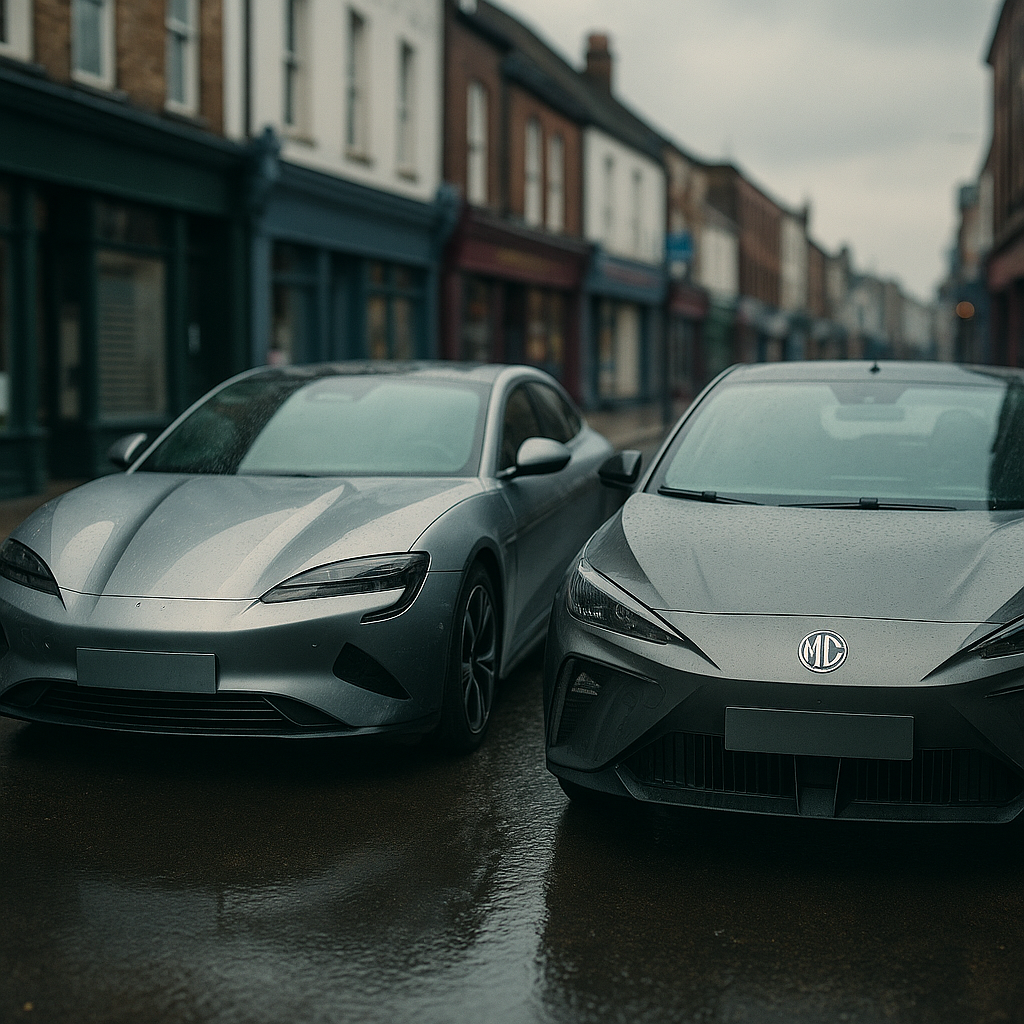
    Tesla Model Y vs Volkswagen ID.4 2026 parked side by side on a British high street
    Tesla Model Y vs Volkswagen ID.4 2026 parked side by side on a British high street

    Performance and Driving Feel

    The Model Y Long Range RWD pushes out around 333 miles of WLTP range and hits 0-60 mph in approximately 5.0 seconds in standard trim. Opt for the Performance variant and that number drops to 3.5 seconds, which is genuinely quick for a family SUV. Steering is sharp, body roll is well controlled, and the car has that characteristic electric immediacy off the line. It rewards drivers who want something engaging rather than merely competent.

    The ID.4 Pro Performance, by contrast, is tuned for composure rather than excitement. Its 77kWh usable battery returns up to 336 miles WLTP, and it handles British A-roads with a composed, planted ride that many buyers will actually prefer for daily commuting. It is softer, quieter at motorway speeds, and feels more traditionally premium in the way it absorbs imperfections on UK roads. Neither car is wrong; they just have different personalities. If you want to feel something driving, the Tesla wins. If you want to forget you are driving, the Volkswagen is closer to the mark.

    Interior Quality and Technology

    This is where opinions tend to diverge most sharply. Tesla’s cabin is a masterclass in minimalism. One central 15.4-inch touchscreen controls almost everything, including indicators (via a stalk that has divided opinion since its introduction). Build quality has improved considerably compared to earlier production years, but material choices remain functional rather than luxurious. Hard plastics are still present in areas you touch regularly. The upside is that over-the-air updates continuously refresh the feature set, and the infotainment system is genuinely fast and intuitive once you have spent a fortnight learning it.

    The ID.4 feels more conventionally crafted. Physical buttons for climate control, proper switchgear, and a 12-inch infotainment display paired with a separate driver’s display give it a more familiar layout. Boot space is generous at 543 litres, and the rear seat room is excellent. Volkswagen has quietly sorted most of the software issues that plagued earlier ID family cars, and the 2026 update brings faster response times and cleaner menus. It is not as visually dramatic as Tesla’s setup, but for buyers coming from a conventional car background, it settles in faster.

    Tesla Model Y vs Volkswagen ID.4 2026 interior touchscreen comparison detail shot
    Tesla Model Y vs Volkswagen ID.4 2026 interior touchscreen comparison detail shot

    Charging Infrastructure: Supercharger vs CCS

    Tesla’s Supercharger network remains one of its strongest arguments. There are now well over 1,000 Supercharger bays across the UK, and the reliability statistics are consistently strong. Charging at up to 250kW on V3 units means a 10-80% top-up takes around 25-30 minutes on a good day. Tesla opened the network to other manufacturers a couple of years ago, but the experience is still most seamless for Model Y owners who can simply pull up and plug in without faffing with apps or RFID cards.

    The ID.4 charges on the CCS standard at up to 135kW, which is notably slower than Tesla’s peak rate. In practice, a 10-80% charge on a rapid public charger takes roughly 35-40 minutes. Volkswagen’s relationship with the Ionity network (which it co-founded) gives ID.4 drivers access to a broad European rapid charging footprint, though UK public charging reliability remains a mixed bag depending on your postcode. For daily home charging on a 7kW wallbox, both cars are essentially identical in convenience, adding a full charge overnight. According to Zap-Map, there are now over 70,000 public charge points across the UK, so range anxiety is genuinely diminishing for both drivers.

    Pricing and Value for Money in 2026

    A Model Y Long Range RWD starts at around £44,990 in 2026. The Performance trim sits closer to £52,990. Tesla has a habit of adjusting prices unpredictably, which can irritate buyers who planned their purchase months in advance. The residual values have softened compared to peak years but remain reasonable relative to the broader EV market.

    The ID.4 Pro Performance starts at approximately £46,995, with the GTX (dual-motor) variant pushing towards £52,000. On the face of it, pricing is broadly comparable. However, Volkswagen dealers will often negotiate, and there are frequently PCP deals and manufacturer-supported finance rates that bring the monthly figure down. Tesla does not negotiate; the price is the price. That matters to buyers who want the satisfaction of getting a deal, or who need to make the numbers work on a tight budget. Both cars are eligible for reduced company car tax under the government’s current BIK regime for zero-emission vehicles, which makes them compelling choices for business drivers.

    Which Buyer Profile Suits Which Car?

    The Tesla Model Y is the better choice for tech-forward drivers who charge predominantly at home, clock significant motorway mileage (where the Supercharger network genuinely shines), and do not mind a stripped-back cabin aesthetic in exchange for software depth and strong performance. It is also the sharper driver’s car by a clear margin.

    The ID.4 suits buyers who are transitioning from conventional SUVs and want the reassurance of a Volkswagen dealer network, familiar interior logic, and a quieter, more relaxed driving character. It is better suited to families who prioritise practicality and cabin comfort over outright range efficiency and on-paper performance numbers.

    The Verdict

    In the Tesla Model Y vs Volkswagen ID.4 2026 contest, there is no clean knockout. The Model Y remains the more technically cohesive package, with a stronger charging network and a more dynamic drive. If I were covering regular long-distance runs between, say, Manchester and London, the Supercharger network alone would tip the decision.

    But the ID.4 is a genuinely accomplished family SUV that no longer feels like a compromise. It is quieter, more conventionally finished, and easier to live with for buyers who are not particularly invested in the technology side of electric vehicles. It is the one I would suggest to a friend upgrading from a diesel Tiguan who simply wants an EV that gets out of the way and does its job without demanding attention.

    Buy the Tesla if performance, charging infrastructure, and software capability are your priorities. Buy the Volkswagen if refinement, build familiarity, and dealer accessibility matter more. Both are excellent cars. The right one depends entirely on how you drive and where you charge.

    Frequently Asked Questions

    Which has better real-world range, the Tesla Model Y or VW ID.4?

    Both claim around 330-336 miles WLTP, but real-world range varies by driving style and temperature. The Tesla Model Y typically edges ahead on motorway runs thanks to better aerodynamics and more efficient thermal management, often returning 280-300 miles in mixed conditions. The ID.4 is closer to 250-270 miles in similar circumstances.

    Is the Tesla Model Y cheaper to run than the VW ID.4 in the UK?

    Running costs are similar for home chargers, typically 3-4p per mile using an overnight off-peak tariff. The Model Y has a slight edge on public charging thanks to the Supercharger network’s competitive pricing, whereas the ID.4 relies more on third-party networks whose rates vary significantly.

    Which electric SUV is better for families in the UK?

    The VW ID.4 offers a more traditionally practical layout with a larger boot (543 litres), a familiar interior, and a quieter ride that suits family motorway trips. The Tesla Model Y has a frunk for additional storage and rear seats that fold for extra cargo space, so both work well for families; it depends on whether you prioritise practicality or technology.

    Do both qualify for low company car tax in 2026?

    Yes. Both the Tesla Model Y and VW ID.4 are zero-emission vehicles and attract a 2% Benefit-in-Kind (BIK) rate under current HMRC rules for 2026/27, making them highly tax-efficient choices for company car drivers compared to petrol or diesel equivalents.

    How do the Tesla Model Y and VW ID.4 compare on charging speed?

    The Tesla Model Y can charge at up to 250kW on Tesla’s V3 Superchargers, achieving a 10-80% charge in around 25-30 minutes. The VW ID.4 maxes out at 135kW on CCS rapid chargers, taking roughly 35-40 minutes for the same charge level. For home charging, both add a full charge overnight on a standard 7kW wallbox.

  • Best Electric Cars Under £40,000 in 2026: Top Picks for Every Driver

    Best Electric Cars Under £40,000 in 2026: Top Picks for Every Driver

    Forty thousand pounds buys you a lot of electric car in 2026. The segment has shifted dramatically in the last couple of years, and the old complaint that you needed to spend north of £50,000 to get a genuinely capable EV simply does not hold up anymore. Whether you’re covering long motorway miles, doing the school run, or looking for something a bit sharper to drive, the best electric cars under £40,000 UK 2026 offers are genuinely competitive with petrol alternatives on almost every metric that matters. Here’s how the market looks right now, and which models deserve your attention.

    A lineup of the best electric cars under £40,000 UK 2026 parked on a British high street at dusk
    A lineup of the best electric cars under £40,000 UK 2026 parked on a British high street at dusk

    What £40,000 Gets You in the EV Market Right Now

    The sweet spot has moved downmarket. Models that would have cost £50,000-plus two years ago have seen meaningful price reductions, partly through competition from Chinese manufacturers entering the UK and partly through improved production economics at established brands. At the £40,000 ceiling, you can now expect real-world range pushing 280-320 miles on a single charge, rapid charging at 150kW or above, and interior technology that genuinely impresses. The trade-offs are smaller than they used to be.

    It’s also worth noting the Plug-in Car Grant situation. The government’s direct grant for private buyers is no longer available, but the OZEV home charge point scheme still offers up to £350 towards a home wallbox installation for eligible properties, which is worth factoring into your total cost of ownership calculation. Running costs for most of the cars below will be significantly lower than an equivalent petrol model.

    Tesla Model 3 Long Range RWD

    Starting at around £38,990, the refreshed Model 3 Long Range sits right at the top of this price band and earns its place there. Tesla quotes 390 miles of WLTP range, and real-world testing consistently puts it above 320 miles in mixed conditions, which is genuinely exceptional at this price point. The Supercharger network remains the most reliable rapid charging infrastructure in the country, and peak charging sits at 170kW. The updated interior is a significant improvement on the old car, with a cleaner dash, better material quality, and rear passengers finally getting a proper screen for climate and entertainment controls.

    Who should buy it: anyone covering high annual mileage who wants the lowest possible anxiety about charging stops on longer trips. The Supercharger network advantage is real and worth a premium over competitors.

    Hyundai IONIQ 6 Standard Range

    The IONIQ 6 is one of the most aerodynamically efficient production cars on sale anywhere, and that translates directly into real-world efficiency. The Standard Range rear-wheel drive model sits at around £36,000 and delivers roughly 265 miles of genuine range. Where it sets itself apart is the 800V architecture, which enables peak charging speeds of 220kW. That means 10-80% in approximately 18 minutes at a compatible charger. For a car at this price, that is remarkable. The interior is calm and well considered, and the driving experience is more engaging than the serene exterior suggests.

    Who should buy it: drivers who take occasional longer journeys and want the fastest public charging experience available under £40,000.

    Interior dashboard detail of a top electric car under £40,000 UK 2026 showing charging screen
    Interior dashboard detail of a top electric car under £40,000 UK 2026 showing charging screen

    Volkswagen ID.7 Pro

    Volkswagen’s ID.7 Pro edges in just under £40,000 with current dealer pricing and represents the most conventional choice on this list. It drives very much like a premium German saloon with an electric drivetrain dropped in, which will appeal enormously to drivers moving across from something like a Passat or Skoda Superb. WLTP range is quoted at 382 miles. Real-world figures in warmer months sit comfortably above 300 miles. The interior is spacious and the build quality feels a considerable step up from earlier ID models. Charging tops out at 170kW, which is competitive without being class-leading.

    Who should buy it: buyers coming from a traditional large saloon who want a straightforward, polished transition to electric without drama or compromise.

    BYD Seal

    The BYD Seal is the wildcard here and should not be overlooked. Priced from around £34,000 for the rear-wheel drive variant, it undercuts most of the competition while delivering a strong overall package. Real-world range is in the region of 280-300 miles. Charging peaks at 150kW. The interior quality is genuinely impressive, the rear passenger space is generous, and the sports saloon proportions give it a visual appeal that some of the more anonymous EVs lack. BYD’s blade battery technology has a strong safety record, and UK customer service infrastructure has expanded considerably since the brand’s early days here.

    Who should buy it: buyers who want the best value-per-pound in the segment and are not brand-loyal to a European or Korean manufacturer.

    Peugeot E-3008 Long Range

    The E-3008 Long Range, priced at around £39,500, is the SUV pick of the group. Peugeot quotes 435 miles WLTP, which makes it the longest-range model on this list on paper. Real-world figures are more conservative, typically 300-340 miles depending on conditions, but that is still very strong for an SUV body. The interior design is genuinely striking, with the i-Cockpit setup and panoramic screens drawing proper admiration from most people who sit in it. It charges at up to 160kW. For families who need the practicality of an SUV but want serious range confidence, this is a compelling option.

    Who should buy it: families or drivers who specifically need SUV boot space and ground clearance and want the best range figures available in that body style under £40,000.

    Which EV Under £40,000 Is Right for You?

    The honest answer is that there is no single winner here. If your priority is charging speed and you travel regularly, the IONIQ 6’s 800V architecture is still the most impressive in this price range. If you want the most seamless long-distance experience and trust the charging network above all else, the Tesla Model 3 Long Range remains the benchmark. For sheer value, the BYD Seal punches harder than its price tag suggests, and the Peugeot E-3008 is the only genuinely practical family SUV in the group. The Volkswagen ID.7 appeals to anyone who wants familiarity and solid German engineering without paying the premium of a BMW or Mercedes EV.

    What unites all five of these is that none of them feel like compromises. The best electric cars under £40,000 UK 2026 offers are real alternatives to premium petrol cars, not substitutes you settle for. The technology has caught up. The pricing has caught up. The only thing left to do is choose the one that fits how you actually drive.

    Frequently Asked Questions

    What is the longest range electric car under £40,000 in the UK in 2026?

    The Peugeot E-3008 Long Range claims the highest WLTP figure at 435 miles, though real-world range is typically 300-340 miles. The Tesla Model 3 Long Range also delivers exceptional real-world range, consistently above 320 miles in mixed driving conditions.

    Which electric car under £40,000 charges the fastest in the UK?

    The Hyundai IONIQ 6 Standard Range is the clear leader here, thanks to its 800V architecture and 220kW peak charging capability. It can charge from 10-80% in approximately 18 minutes at a compatible ultra-rapid charger, which is faster than any other model in this price bracket.

    Is it worth buying an electric car under £40,000 in 2026 versus waiting?

    Buying now makes strong sense for most drivers. Prices have fallen significantly and the available range and charging infrastructure are genuinely practical for everyday use. Waiting may bring incremental improvements, but the current crop of sub-£40,000 EVs already offers a compelling ownership experience.

    Can I still get any government help towards buying an electric car in the UK in 2026?

    The direct Plug-in Car Grant for private buyers is no longer available. However, OZEV still offers up to £350 towards home wallbox installation through the Electric Vehicle Homecharge Scheme, and many businesses can benefit from the 100% first-year capital allowance for company EVs.

    Is the BYD Seal a reliable choice for UK buyers?

    BYD has significantly expanded its UK dealer and service network since its initial launch. The Seal’s blade battery technology has a strong safety record and the car has received positive reviews for build quality and value. As with any newer brand in the UK market, it is worth checking local dealer coverage before purchasing.

  • Solid-State Batteries: How This Technology Will Change Electric Cars

    Solid-State Batteries: How This Technology Will Change Electric Cars

    If you’ve been paying attention to the EV space over the past couple of years, you’ve almost certainly heard the phrase “solid-state battery” thrown around like it’s the answer to everything. Better range. Faster charging. Cheaper prices. Safer chemistry. The promises are enormous. But what actually is a solid-state battery, how close are we to seeing them in production cars, and will solid state battery electric cars in 2026 mark a genuine turning point? Let’s break it down properly.

    Solid state battery cell module in automotive research lab representing solid state battery electric cars 2026
    Solid state battery cell module in automotive research lab representing solid state battery electric cars 2026

    What Is a Solid-State Battery and How Does It Differ from Lithium-Ion?

    Every battery works on the same basic principle: ions move between a positive electrode (cathode) and a negative electrode (anode) through a medium called an electrolyte. In today’s lithium-ion cells, that electrolyte is a liquid or gel. It works well enough, but it comes with real drawbacks: it’s flammable, it degrades over repeated charge cycles, and it limits how fast ions can travel safely, especially at low temperatures.

    A solid-state battery replaces that liquid electrolyte with a solid material, typically a ceramic, glass, or sulphide-based compound. The result is a cell that’s fundamentally more stable. There’s no liquid to leak, no flammable material to cause thermal runaway, and the solid electrolyte can accommodate lithium metal anodes instead of graphite ones. That last point matters a lot: lithium metal anodes store significantly more energy per unit of weight, which is where the range gains come from.

    The energy density of solid-state cells in laboratory conditions is already impressive. Some research prototypes are hitting 400 to 500 Wh/kg, compared to roughly 250 to 300 Wh/kg in the best current lithium-ion packs. That’s a substantial leap, and it’s why the automotive world is so invested in making this work.

    Why Is It Taking So Long to Reach Production Cars?

    The gap between lab prototype and a battery pack that survives ten years inside a car is vast. Solid-state cells have a well-documented problem with something called interfacial resistance: the physical contact between the solid electrolyte and the electrodes tends to degrade as the battery expands and contracts during charge cycles. Solving that at scale, at speed, and at a price point that doesn’t make EVs even more expensive is genuinely difficult engineering.

    Manufacturing is the other mountain to climb. Current lithium-ion production lines are mature, automated, and cost-optimised after decades of refinement. Solid-state production requires different equipment, different materials handling (sulphide electrolytes react badly with moisture), and entirely new quality control processes. Building that at gigafactory scale is a multi-billion pound undertaking with no guarantee of a smooth ramp.

    EV battery pack cutaway showing solid state battery technology relevant to solid state battery electric cars 2026
    EV battery pack cutaway showing solid state battery technology relevant to solid state battery electric cars 2026

    Which Manufacturers Are Closest to a Production-Ready Solid-State Battery?

    Toyota has been the loudest voice in this space for years. The Japanese manufacturer has filed more solid-state battery patents than any other company, and in 2023 it announced plans to have solid-state cells in a production vehicle by 2027 to 2028. More recently, Toyota has partnered with Panasonic through their joint venture Prime Planet and Energy and Solutions to push towards that target. The company is targeting an initial range of around 1,200 kilometres on a single charge, which would be transformative if it survives real-world testing.

    Nissan has its own solid-state programme, aiming for a production vehicle by 2028, with pilot production of cells slated for 2025 at its Yokohama facility. QuantumScape, backed heavily by Volkswagen Group, has been supplying sample cells to Volkswagen for validation testing. If those cells pass muster, you’d expect to see the technology filtering into Volkswagen, Audi, and Porsche platforms in the early 2030s.

    Closer to home, Stellantis has invested in Factorial Energy, a Massachusetts-based solid-state startup, and the technology is earmarked for future Vauxhall and Peugeot platforms. Meanwhile, Samsung SDI and CATL (which supplies a significant proportion of European EVs, including several models sold in the UK) are both working on semi-solid or hybrid electrolyte cells as a stepping stone to full solid-state chemistry.

    So where does that leave solid state battery electric cars in 2026? Honestly, we’re in the final stretch of serious development rather than the production launch phase. A handful of limited-run or pilot vehicles may appear, but mass-market availability is more realistically a 2028 to 2030 story.

    What Will Solid-State Batteries Actually Mean for Range and Charging?

    The range improvements depend heavily on which solid-state chemistry reaches production first. Conservative estimates suggest a 20 to 40 per cent improvement in energy density over current best-in-class lithium-ion packs, without adding weight or size. That would push a 300-mile car to somewhere between 360 and 420 miles on a real-world UK cycle. More ambitious designs could push past 500 miles.

    Charging speed is potentially the bigger practical win. Solid-state cells can theoretically handle much higher charge rates without the degradation risks that plague liquid-electrolyte designs. Some prototypes have demonstrated the ability to reach 80 per cent charge in under ten minutes. Even if production versions are somewhat slower, reducing a typical motorway charging stop from 25 minutes to 12 or 15 minutes would change how people think about long-distance driving in an EV.

    Cold-weather performance should also improve significantly. Liquid electrolytes become sluggish in low temperatures, which is one reason why EV range in a British winter can drop by 20 to 30 per cent. Solid electrolytes are less temperature-sensitive, which is good news for anyone driving in Scotland in February.

    What Happens to EV Prices When Solid-State Batteries Arrive?

    This is the part where expectations need to be tempered. The initial wave of solid-state EVs will almost certainly be expensive, possibly more expensive than equivalent lithium-ion models. New manufacturing processes always carry a cost premium early in their lifecycle. Think about how much the first lithium-ion EVs cost versus where the market is today.

    Over time, as production scales and the manufacturing learning curve kicks in, costs should fall. The Society of Motor Manufacturers and Traders (SMMT) has consistently argued that battery cost reduction is central to making EVs genuinely accessible to UK buyers at all income levels, and solid-state technology is a significant part of the long-term roadmap for hitting that target. You can read the SMMT’s latest EV outlook at www.smmt.co.uk.

    What This Means for the Broader Car Community

    For car enthusiasts who care deeply about what’s under the bonnet, the shift to solid-state chemistry is going to be as significant as the jump from carburettors to fuel injection. It’s not just an incremental improvement; it’s a rethink of the fundamental energy storage architecture. That has implications beyond everyday motoring: think performance cars, motor racing categories that use battery technology, and even the growing world of car modification and EV conversion builds.

    Those involved in car maintenance and the general upkeep of their vehicles will also find the long-term chemistry more forgiving. Solid-state cells are projected to retain capacity far better over their service life, with some estimates suggesting 80 per cent capacity retention after 1,000 charge cycles compared to a typical 70 to 75 per cent for today’s lithium-ion packs. For someone holding onto a car for ten years, that’s meaningful. Businesses operating in car detailing, car cleaning, and the wider car care detailing sector will find that EV-specific exterior protection becomes increasingly relevant too. Custom Creations Detailing, based in Mansfield, Nottinghamshire and specialising in PPF installation and professional car detailing, is already seeing demand from EV owners who want paint protection film applied to high-value battery-electric vehicles. Car enthusiasts who have invested heavily in an EV are naturally inclined to protect the whole car, not just the drivetrain, and the team at www.customcreationsdetailing.com works across everything from daily drivers to prestige car sales stock needing show-ready presentation.

    As EV values stabilise and the used EV market matures, car flipping and car sales specialists will increasingly need to factor battery health into valuations. It’s a space where accurate technical knowledge becomes as important as paintwork condition. Custom Creations Detailing’s work in paint protection film and car cleaning sits directly in that gap: presenting a vehicle well matters in car sales whether it runs on petrol, diesel, or a solid-state battery pack.

    The bottom line on solid-state technology is that it’s real, it’s coming, and it will matter. The question is timing. If you’re planning an EV purchase in the next twelve months, current lithium-ion technology is mature, capable, and getting more affordable. But if you can stretch your planning horizon to 2028 or beyond, the landscape may look quite different. Worth keeping an eye on.

    Frequently Asked Questions

    What is a solid-state battery and why is it better than lithium-ion?

    A solid-state battery uses a solid electrolyte instead of a liquid one, making it more stable, safer, and capable of higher energy density. This means more range from a smaller, lighter pack, faster charging without degradation risk, and reduced fire hazard compared to current lithium-ion cells.

    When will solid-state battery electric cars be available to buy in the UK?

    Mass-market solid-state EVs are most realistically a 2028 to 2030 proposition. Toyota and Nissan are targeting production vehicles by 2027 to 2028, but initial volumes will be limited and prices will be higher than current EV models.

    How much further will EVs go on a charge once solid-state batteries arrive?

    Realistic estimates suggest a 20 to 40 per cent increase in range over equivalent lithium-ion vehicles. A car currently rated at 300 miles could see real-world range of 360 to 420 miles, with more ambitious designs potentially exceeding 500 miles.

    Will solid-state batteries make EVs cheaper or more expensive?

    Initially more expensive, as new manufacturing processes always carry a cost premium early on. Over time, as production scales, costs should fall significantly, much as lithium-ion battery costs dropped by over 90 per cent between 2010 and the mid-2020s.

    Which car manufacturers are leading development of solid-state batteries?

    Toyota holds the largest solid-state battery patent portfolio globally and is targeting a production vehicle by 2027 to 2028. Nissan, Volkswagen Group (via QuantumScape), Samsung SDI, CATL, and Stellantis (via Factorial Energy) are all in advanced development stages.

  • Is the UK Used Car Market Finally Cooling Down in 2026? What Buyers Need to Know

    Is the UK Used Car Market Finally Cooling Down in 2026? What Buyers Need to Know

    After several years of eye-watering prices, bidding wars on three-year-old Corsas, and dealers treating second-hand stock like it was rare whisky, something has shifted. The UK used car market in 2026 is finally beginning to behave like a market again. Prices are softening, stock is returning to forecourts, and for the first time since before the semiconductor shortage chaos, buyers are negotiating rather than simply accepting whatever number appears on a windscreen sticker. But it is not a buyer’s paradise just yet, and knowing where the value actually sits takes a bit of digging.

    According to the Society of Motor Manufacturers and Traders (SMMT), used car transactions in the UK remained broadly healthy through late 2025 and into 2026, with volumes recovering steadily after the supply-constrained years. The mix of factors driving the current stabilisation includes recovering new car supply chains, a cooling consumer spending environment, and a maturing used electric vehicle segment that has pushed some petrol and diesel models back into affordable territory.

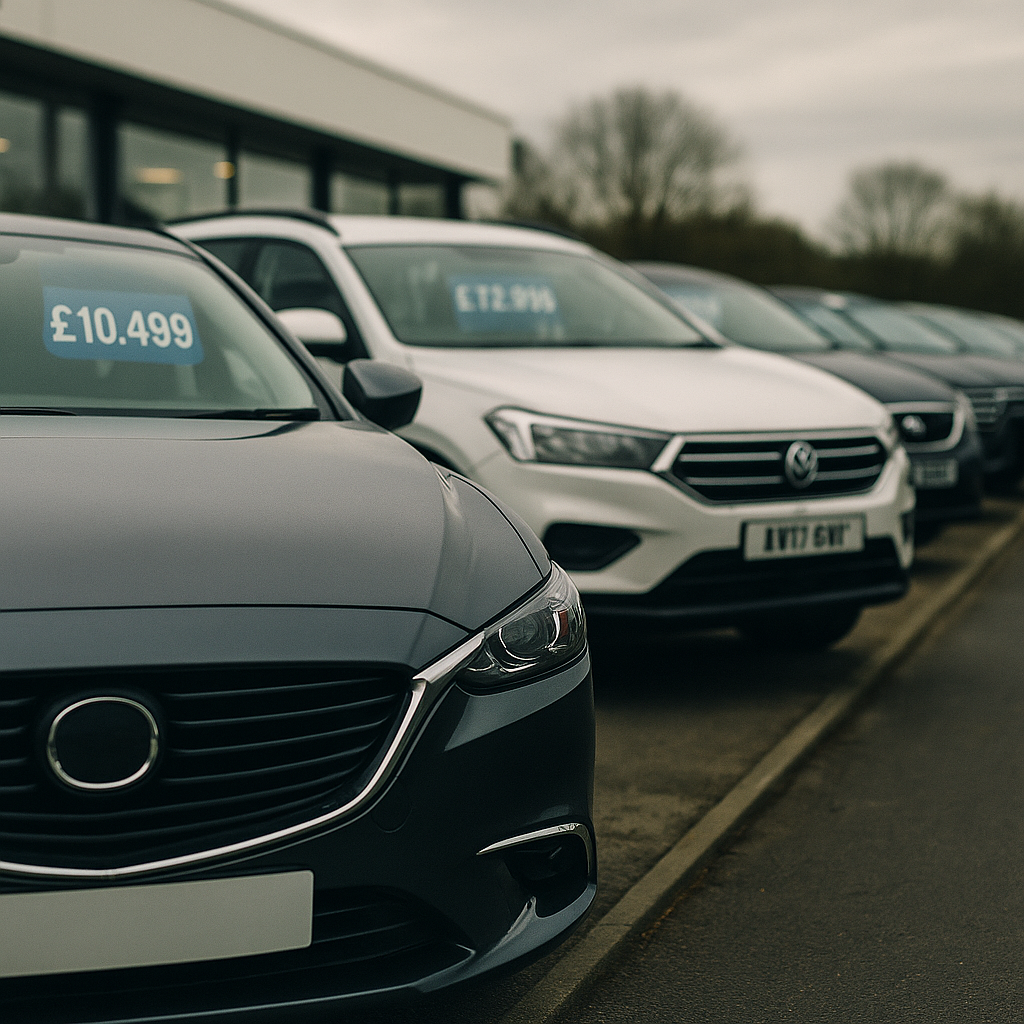
    UK used car market 2026 forecourt with rows of second-hand vehicles at a dealership
    UK used car market 2026 forecourt with rows of second-hand vehicles at a dealership

    What Has Happened to Used Car Prices in the UK?

    At the peak, around 2021 to 2022, used car values climbed so dramatically that some models were selling secondhand for more than their original list price. That was never sustainable. Since then, average used car prices have been gradually retreating, and 2026 has continued that downward trajectory, particularly in the sub-£10,000 bracket where demand remains high but supply has caught up considerably.

    The mid-range segment, cars priced between £12,000 and £25,000, is where the most interesting movement is happening. Quality three-year-old family hatchbacks and compact SUVs have dropped meaningfully from their 2022 highs. A Ford Puma or Volkswagen T-Roc from 2022-2023 that would have commanded a premium two years ago is now available at figures that actually make sense relative to depreciation. That is a significant shift.

    Electric vehicles are a more complex story. Range anxiety concerns, uncertainty around used battery health, and a flood of ex-lease EVs returning to market have pushed used EV prices down sharply. The average residual values on cars like the Nissan Leaf and certain Renault Zoe variants have fallen considerably. For buyers prepared to do their homework on battery condition and accept home charging as a lifestyle reality, this represents genuine value. For everyone else, it is a risk that deserves careful thought.

    Which Segments Offer the Best Value Right Now?

    If you are shopping smartly in the UK used car market in 2026, certain categories stand out.

    Reliable Japanese Saloons and Hatchbacks

    The dependability reputation of Japanese manufacturers has not dimmed. Models like the Toyota Yaris, Honda Jazz, and Mazda3 continue to hold up mechanically whilst depreciating at a rate that benefits second and third owners. Running costs tend to be low, parts availability is strong, and insurance groups are typically reasonable. If you maintain one properly and source quality Mitsubishi parts for an older Colt or Carisma that catches your eye at auction, you can genuinely put together a reliable runaround for modest money.

    Diesel Estate Cars

    Diesels are deeply unfashionable right now, and that is precisely why they represent value. A 2019 or 2020 Skoda Octavia estate with a 2.0 TDI under the bonnet, serviced properly and used predominantly on motorway runs as intended, is a supremely capable and economical machine. The anti-diesel sentiment has punished residuals far beyond what the mechanical reality of the cars warrants. Buyers who cover significant annual mileage and live outside clean air zones should be looking here seriously.

    Ex-Fleet Compact SUVs

    Compact SUVs dominate new car sales charts, which means ex-fleet examples are arriving in volume. A 2022-plate Hyundai Tucson, Kia Sportage, or SEAT Ateca with a full service history and 30,000 to 40,000 miles is now accessible at pricing that represents a sharp discount on the original transaction. These cars were fleet-managed, meaning they tend to be serviced on schedule and driven uneventfully. The current supply is strong enough that buyers can afford to wait for the right specification.

    Buyer negotiating a deal in the UK used car market 2026 at a dealership
    Buyer negotiating a deal in the UK used car market 2026 at a dealership

    Models to Approach With Caution in 2026

    Not every bargain in the UK used car market is actually a bargain. Some categories require serious scrutiny before handing over a deposit.

    First-Generation Used EVs With Uncertain Battery Health

    A used EV with a degraded battery is not a deal. It is a liability. Without an independent battery health check, older Nissan Leafs in particular can present with state-of-health figures well below what is advertised. Always request a full battery diagnostic before purchase, and factor in the cost of replacement if the figures look marginal. The DVLA and GOV.UK resources on used EV purchasing outline consumer rights in this space and are worth reading before you commit.

    German Premium with High Mileage and Patchy History

    A 2018 BMW 5 Series or Mercedes E-Class at an attractive price with 90,000 miles and two previous owners sounds appealing until the repair bills start arriving. These are engineered to a high standard, but the complexity of their systems means maintenance costs are substantial. A timing chain issue, air suspension failure, or infotainment unit fault on a premium German saloon without warranty cover can comfortably exceed the purchase price in remediation costs. Proceed with eyes wide open and budget for a pre-purchase inspection.

    Heavily Modified Hatchbacks

    The fast car scene produces some beautifully built examples and some genuinely frightening ones. A modified hot hatch with non-standard engine management, aftermarket suspension, and remapped ECU may have had a hard life, and insurance quotes will reflect that. Unless you can verify the modification history thoroughly and trust the previous owner’s word, the stock equivalent is almost always the more sensible purchase.

    How to Actually Negotiate in the Current Market

    The return of negotiating room is perhaps the most welcome development in the UK used car market in 2026. Dealers are carrying more stock, finance rates remain elevated, and forecourt footfall has softened slightly. All of that translates into motivation to deal.

    Do your research on market value using Autotrader and What Car listings to establish a baseline. Point out comparable examples at competing dealers. Ask directly what the drive-away price looks like including any preparation fees, road tax, and first MOT if applicable. Many dealers will absorb these costs rather than lose a sale. Private sellers, meanwhile, are often more flexible than they let on at first contact, particularly if their listing has been live for more than a fortnight.

    The Bigger Picture for UK Buyers This Year

    The UK used car market in 2026 is not cheap, and it is probably not going to get dramatically cheaper in the near term. But it is rational again, which matters enormously for buyers who spent the past three years watching values defy logic. The best deals exist for people who are flexible on colour and specification, willing to consider less fashionable fuel types, and patient enough to wait for the right example rather than jumping at the first thing with four wheels and a tidy interior.

    The SMMT’s latest used car data provides a useful ongoing reference point for transaction volumes and market health across different segments, and it is worth bookmarking if you are planning a purchase in the next few months.

    The market has cooled. It has not collapsed. And for prepared, informed buyers, that is actually the more useful scenario.

    Frequently Asked Questions

    Are used car prices dropping in the UK in 2026?

    Yes, used car prices in the UK have been gradually declining from their 2021-2022 peaks, with the correction most noticeable in the sub-£10,000 and mid-range segments. However, prices remain above pre-pandemic levels, so significant further drops are not guaranteed in the short term.

    What is the best type of used car to buy for value in 2026?

    Diesel estate cars, reliable Japanese hatchbacks, and ex-fleet compact SUVs are currently offering strong value in the UK market. These segments have been affected by changing consumer preferences or fleet return volumes, pushing prices down without any corresponding drop in mechanical quality.

    Is it worth buying a used electric car in 2026?

    It can be, but it requires due diligence. Used EV prices have fallen sharply due to oversupply of ex-lease vehicles and battery degradation concerns. Always get an independent battery health check before purchasing, and ensure the vehicle suits your daily charging setup.

    Can you still negotiate on used car prices at UK dealerships in 2026?

    Absolutely. With improved stock levels and softer consumer demand, dealerships have more motivation to negotiate than they did during the supply-constrained years. Research comparable listings, ask for drive-away pricing inclusive of fees, and be prepared to walk away as leverage.

    Which used cars should I avoid in the UK market right now?

    Be cautious with first-generation used EVs showing battery degradation, high-mileage German premium saloons without warranty cover, and heavily modified hatchbacks with unclear history. These categories carry risks that can significantly outweigh the apparent savings on the asking price.

  • How Much Does It Really Cost to Run an Electric Car in the UK in 2026?

    How Much Does It Really Cost to Run an Electric Car in the UK in 2026?

    The cost of running electric car UK 2026 is one of the most searched automotive questions right now, and understandably so. With energy prices fluctuating, public charging networks still maturing, and a wave of new EV models hitting the market at varying price points, the real-world financial picture is more nuanced than any manufacturer’s brochure will tell you. This breakdown covers every major cost category so you can make a genuinely informed decision.

    Home Charging: Your Biggest Saving Over Petrol

    The single most effective way to keep EV running costs down is home charging, and for the majority of UK drivers who have off-street parking, it remains the foundation of the financial argument. A dedicated 7kW home wallbox typically costs between £700 and £900 installed, including the unit itself. On a standard domestic overnight tariff, you’re looking at roughly 24p to 28p per kWh in 2026. Charging a 77kWh battery (typical of a mid-range EV like the Volkswagen ID.7 or Hyundai IONIQ 6) from near-empty costs around £19 to £22, delivering a range of 250 to 300 real-world miles.

    On an EV-specific tariff such as Octopus Go or OVO’s EV Anywhere plan, off-peak rates can drop to around 7p to 10p per kWh overnight. That same 77kWh charge then costs as little as £5.50 to £8.00, the equivalent of roughly 2p per mile. A comparable petrol car averaging 40mpg at 145p per litre works out closer to 8p per mile. Over 12,000 annual miles, that difference is worth £720 or more every year.

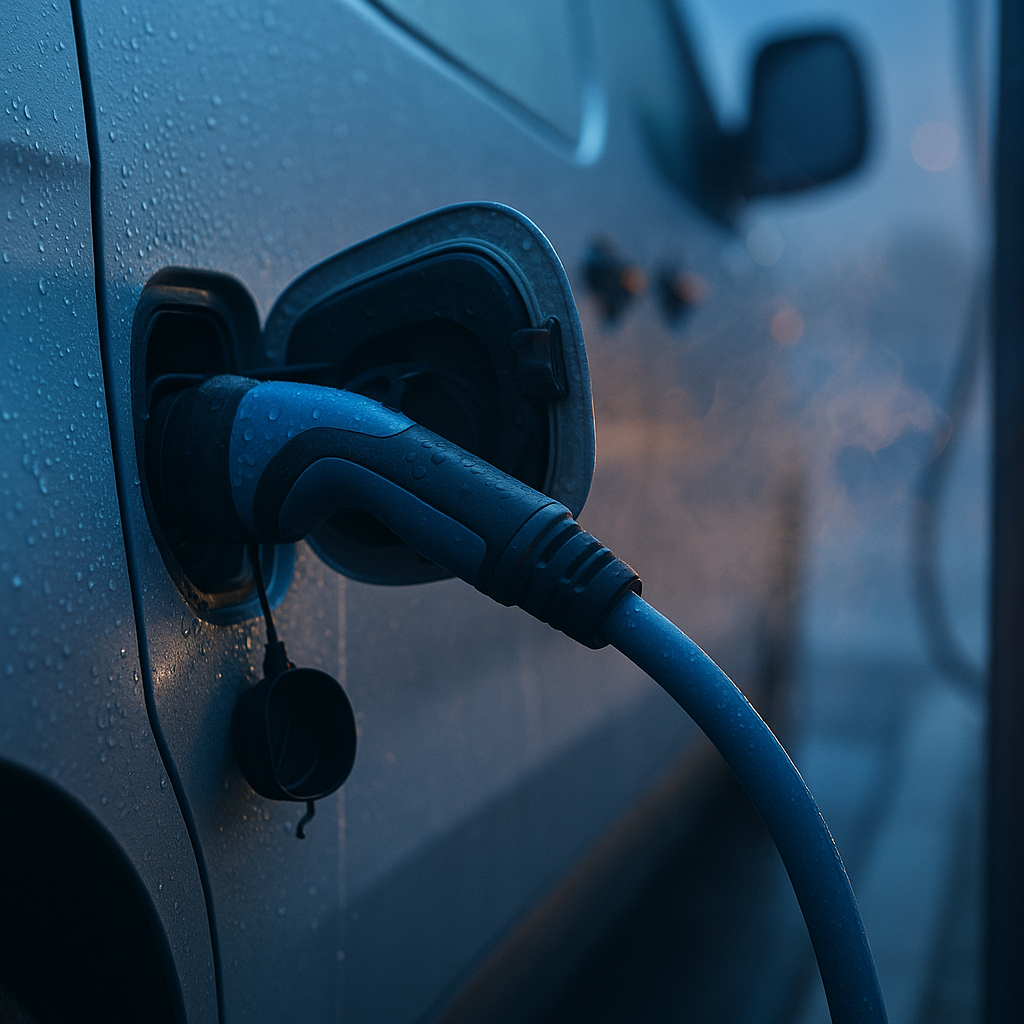
    Electric car charging at home wallbox representing the cost of running electric car UK 2026
    Electric car charging at home wallbox representing the cost of running electric car UK 2026

    Public Charging Costs: The Number That Complicates Everything

    Public rapid charging is where the EV cost advantage erodes quickly. Motorway services using the BP Pulse or Gridserve networks charge between 79p and 85p per kWh for 150kW to 350kW rapid charging as of early 2026. At those rates, a 77kWh charge costs £60 or more, which is broadly comparable to filling a petrol tank. Drivers who rely heavily on public charging because they rent or lack off-street parking can expect to pay significantly more per mile than petrol drivers.

    The key takeaway is this: the cost of running an electric car in the UK in 2026 is not one fixed number. It is a spectrum. Home chargers at off-peak rates deliver exceptional savings. Frequent motorway rapid charging effectively neutralises them. Most owner surveys suggest a realistic blended cost of 4p to 6p per mile for those who charge at home 80 to 90 percent of the time.

    Insurance: Still Running Higher Than Petrol Equivalents

    Insurance premiums for EVs continue to run approximately 15 to 25 percent higher than comparable petrol models, driven by parts costs, specialist repair requirements, and the cost of battery replacement assessments after accidents. A Kia EV6 GT-Line in 2026 typically attracts premiums of £900 to £1,400 for a 35-year-old driver with clean history, versus £750 to £1,100 for a Kia Sportage 1.6 T-GDi of similar trim level. That gap is narrowing as more approved repairers gain EV certification, but it has not closed entirely.

    Public rapid charger display showing tariff relevant to cost of running electric car UK 2026
    Public rapid charger display showing tariff relevant to cost of running electric car UK 2026

    Servicing and Maintenance: Where EVs Pull Ahead Clearly

    This is where the mechanical simplicity of an electric drivetrain translates directly into cost savings. There is no oil to change, no timing belt, no clutch, no exhaust system, and no spark plugs. Annual EV servicing typically covers brake fluid, cabin filter, tyre rotation, and a software health check. Most manufacturers price this between £150 and £280 per year. A petrol equivalent service with oil and filter change, plugs, and ancillary checks runs £250 to £450 depending on the model and dealer. Regenerative braking also means brake pads and discs last considerably longer, often 80,000 miles or more before replacement.

    Over five years, the servicing difference alone can represent a saving of £600 to £1,000 compared with a petrol car of similar segment standing. Factor in the absence of expensive components like dual-mass flywheels or DPF regeneration problems common in diesel equivalents, and the long-term reliability picture for EVs looks increasingly attractive.

    Depreciation: The Honest Conversation Nobody Wants to Have

    Battery electric vehicles continue to depreciate faster than petrol cars across most segments in 2026, though the rate has stabilised compared with the steep falls seen in 2023 and 2024. A premium EV purchased new will typically lose 45 to 55 percent of its value in the first three years. A comparable petrol executive car loses around 38 to 45 percent over the same period. The exception is in the used market, where strong demand for sub-£20,000 EVs is compressing depreciation on older popular models like the Nissan Leaf and first-generation Renault Zoe.

    For company car drivers, however, the Benefit in Kind (BIK) rate for EVs remains just 3 percent through the current tax year, making them dramatically cheaper than petrol alternatives for higher-rate taxpayers. A basic-rate taxpayer driving a Tesla Model 3 Long Range as a company car pays roughly £600 in annual BIK tax, versus £3,500 or more for a petrol equivalent. This single factor makes EV ownership highly compelling for salary sacrifice or fleet drivers.

    The True Annual Cost Compared Side by Side

    Pulling these figures together for a realistic annual comparison based on 12,000 miles per year, primarily home-charged, mid-range models: a Hyundai IONIQ 6 Standard Range will cost approximately £2,800 to £3,400 per year to run including charging, insurance, servicing, and tyres, but excluding finance and depreciation. A comparable Hyundai Tucson 1.6 T-GDi petrol comes in at roughly £3,900 to £4,700 when fuel, insurance, and servicing are factored in. The gap of £1,000 to £1,500 per year in favour of the EV is meaningful, though depreciation risk and public charging dependency can narrow or eliminate it for individual circumstances.

    The honest answer is that the cost of running electric car UK 2026 is genuinely lower for most drivers who charge at home and cover typical annual mileages. The savings are real, measurable, and consistent with data across the industry. However, for renters, high-mileage motorway drivers, or those in areas with limited charging infrastructure, the financial case is considerably tighter than headline figures suggest. Do the maths for your own situation before committing.

    Frequently Asked Questions

    How much does it cost to charge an electric car at home in the UK in 2026?

    On a standard domestic tariff, expect to pay around 24p to 28p per kWh, putting a full charge of a 77kWh battery at roughly £19 to £22. On a dedicated off-peak EV tariff such as Octopus Go, this can drop to as little as £5.50 to £8.00 for the same charge, making home charging by far the cheapest way to run an EV.

    Is it cheaper to run an electric car than a petrol car in the UK?

    For most drivers who charge primarily at home, yes. Fuel and running costs are typically £1,000 to £1,500 per year lower for an EV compared with a petrol equivalent over 12,000 miles. However, those relying heavily on public rapid charging can find the cost advantage largely disappears, since rapid charging tariffs now exceed 79p per kWh at major UK networks.

    How much is electric car insurance compared to petrol in 2026?

    Electric car insurance premiums typically run 15 to 25 percent higher than equivalent petrol models in 2026, due to higher repair costs, battery assessment requirements after accidents, and a still-limited pool of EV-certified repairers. The gap is narrowing year on year but has not yet fully closed across all vehicle segments.

    How much does it cost to service an electric car each year in the UK?

    Annual EV servicing typically costs between £150 and £280, covering brake fluid, cabin air filter, tyre checks, and a software health inspection. This compares favourably to petrol car servicing at £250 to £450 per year, since EVs require no oil changes, no spark plugs, and no exhaust system maintenance. Over five years, the saving is typically £600 to £1,000.

    Do electric cars depreciate faster than petrol cars in the UK?

    Generally yes, particularly in the first three years. Premium EVs can lose 45 to 55 percent of their value in that period, slightly more than petrol equivalents at 38 to 45 percent. However, the rate has stabilised since the sharp falls of 2023 to 2024, and strong demand for used EVs in the sub-£20,000 segment is beginning to support residual values across some popular models.

  • What Is Vehicle-to-Grid (V2G) Technology and Why It Matters in 2026

    What Is Vehicle-to-Grid (V2G) Technology and Why It Matters in 2026

    Vehicle to grid technology UK 2026 is no longer a concept confined to engineering whitepapers and conference stages. It is actively being rolled out across British homes, driveways, and energy networks, offering EV owners a genuinely new way to interact with the grid. The idea is straightforward in principle: your electric vehicle’s battery can do more than just power your daily commute. It can store energy, release it back to the grid when demand is high, and potentially earn you money in the process.

    Understanding how this actually works, which cars support it, and what the real-world financial picture looks like is increasingly important for anyone considering an EV purchase in 2026.

    Electric vehicle connected to a V2G home charger illustrating vehicle to grid technology UK 2026
    Electric vehicle connected to a V2G home charger illustrating vehicle to grid technology UK 2026

    How Does Vehicle to Grid (V2G) Technology Actually Work?

    At its core, V2G uses bidirectional charging. Standard EV chargers draw power from the grid in one direction only, filling your battery. A V2G-enabled charger, by contrast, can both charge the vehicle and push stored electricity from the battery back into the grid or your home. This requires compatible hardware on both ends: the vehicle must support CHAdeMO or the newer Combined Charging System (CCS) with bidirectional capability, and the charger itself must be a certified bidirectional unit.

    The energy flow is managed by a smart system that monitors grid demand signals from your energy supplier. During off-peak periods, typically overnight, the system charges your battery at the cheapest possible rate. When demand on the grid spikes, usually in the early evening, the system can export stored electricity back, either earning export payments or reducing your bill depending on your tariff setup.

    It is worth distinguishing between V2G (Vehicle-to-Grid), V2H (Vehicle-to-Home), and V2L (Vehicle-to-Load). V2H feeds power into your home circuits only, while V2L provides power to devices via an outlet, often a campsite-style feature. True V2G means exporting back to the national grid itself, which is where the financial returns become most significant.

    Which Electric Vehicles Support V2G in the UK Right Now?

    The number of V2G-compatible models available to UK buyers has grown considerably. The Nissan Leaf remains the pioneer here, having supported V2G via CHAdeMO for several years. The Nissan Ariya also offers bidirectional capability in certain configurations. Mitsubishi, with its Outlander PHEV, has long championed V2H, though its grid export functionality depends on charger compatibility.

    Close-up of bidirectional charging port representing vehicle to grid technology UK 2026 hardware
    Close-up of bidirectional charging port representing vehicle to grid technology UK 2026 hardware

    More recently, the segment has seen significant expansion. BYD’s Atto 3 and Seal models both offer V2L as standard, and BYD has confirmed bidirectional V2G capability for UK-spec vehicles. Hyundai’s Ioniq 5 and Ioniq 6 support V2L and V2H natively, while full V2G export requires a compatible charger and tariff. Kia EV6 and EV9 follow the same pattern. Volkswagen’s ID. range, including the ID.4 and ID.7, has started rolling out bidirectional charging support via software updates and is expected to be fully V2G-capable in the UK market by mid-2026 with an approved home charger unit.

    Tesla remains notably absent from this list in the UK. While Tesla’s Powerwall integrates with the home battery ecosystem, the Model 3 and Model Y do not natively support V2G export at this point. Ford’s F-150 Lightning supports V2H in the US, but that model is not sold in the UK. The Ford Mustang Mach-E does not currently support V2G either.

    Which UK Energy Tariffs Support V2G and What Can You Actually Earn?

    The energy tariff landscape for V2G has matured significantly. Octopus Energy’s Intelligent Octopus Go tariff pairs smart charging with off-peak overnight rates as low as 7p per kWh, while their Power Pack sessions allow export payments when the grid needs it most. OVO Energy and British Gas have also launched smart EV tariffs that reward bidirectional users, though the structure varies.

    Realistically, earnings depend on battery size, usage patterns, and how often you participate in export sessions. A driver with a 60 kWh battery who regularly exports 20 to 25 kWh during peak sessions could see bill savings and export income of between £400 and £700 per year based on current rate structures. That figure is not guaranteed and fluctuates with grid conditions, but it represents a meaningful offset against charging costs for a high-mileage commuter.

    The key caveat is battery health. Frequent deep cycling, charging and discharging repeatedly, does add wear over time. Most manufacturers now account for this in their battery warranties when used with approved V2G chargers, but it is worth checking the small print before committing to an aggressive export schedule.

    What Equipment Do You Need at Home for V2G?

    You will need a certified bidirectional home charger, and at the time of writing the market for these in the UK is still relatively niche but growing fast. Companies including Wallbox (with its Quasar 2 unit), Kaluza, and Indra (with its Smart PRO charger) all offer OZEV-approved bidirectional units suitable for UK homes. Installation is more involved than a standard home charger, typically requiring a quote from a qualified electrician and potentially a smart meter upgrade if you do not already have one. Costs for hardware and installation currently sit in the £1,000 to £2,500 range depending on the unit and your home’s setup.

    The smart meter is essential because energy suppliers need to accurately log both imported and exported units to apply the correct rates. Without one, V2G export payments are not possible.

    Is Vehicle to Grid Worth It for UK Drivers in 2026?

    For drivers who own a compatible EV, have off-street parking, and are buying a new home charger anyway, incorporating V2G capability makes strong financial sense over a three to five year horizon. The technology is mature enough to be genuinely reliable, the tariff options are competitive, and manufacturer support is expanding rapidly. For those already invested in a non-compatible vehicle like a Tesla or a legacy EV, it is worth factoring V2G support into the decision when it comes time to upgrade. Vehicle to grid technology in the UK is no longer a future promise; it is a present-day option that is becoming harder to ignore.

    Frequently Asked Questions

    Which electric cars support V2G charging in the UK?

    In the UK, vehicles with confirmed or active V2G support include the Nissan Leaf, Nissan Ariya, Hyundai Ioniq 5, Hyundai Ioniq 6, Kia EV6, Kia EV9, BYD Atto 3, BYD Seal, and the Volkswagen ID. range, which is rolling out full bidirectional support in 2026. Always check whether the specific trim level and charger combination is certified for V2G export.

    How much money can you make from V2G in the UK?

    Earnings vary based on battery size, participation in export sessions, and your tariff. Drivers with a 60 kWh battery who regularly export during peak grid demand periods can save or earn between £400 and £700 per year under current tariff structures from providers like Octopus Energy. This offsets charging costs but is not a guaranteed fixed income.

    Does V2G damage your EV battery?

    Frequent bidirectional cycling does add some incremental wear to battery cells compared to standard charging. However, most manufacturers who support V2G, including Nissan and Hyundai, maintain their battery warranties when an approved V2G charger is used. Keeping the battery between 20 and 80 percent charge during export cycles helps minimise degradation.

    What is the difference between V2G, V2H, and V2L?

    V2G (Vehicle-to-Grid) exports energy from your car battery back to the national grid, allowing energy suppliers to pay you for it. V2H (Vehicle-to-Home) powers your home circuits directly from the battery without exporting to the wider grid. V2L (Vehicle-to-Load) simply provides a power outlet on the vehicle for charging devices or appliances, like a portable generator.

    How much does a V2G home charger cost in the UK?

    Bidirectional V2G home chargers in the UK, such as the Wallbox Quasar 2 or Indra Smart PRO, typically cost between £1,000 and £2,500 including installation. Costs vary depending on your home’s electrical setup, whether you need a smart meter upgrade, and the specific unit chosen. OZEV grants may be available in some circumstances, so it is worth checking eligibility.

  • BMW M3 Competition 2026 Review: Is It Still the Ultimate Sports Saloon?

    BMW M3 Competition 2026 Review: Is It Still the Ultimate Sports Saloon?

    The BMW M3 Competition has spent years sitting at the very top of the performance saloon class, and for good reason. With its latest update now bedded in, this BMW M3 Competition 2026 review asks whether Munich’s most celebrated saloon can still justify its position, and its price, against a field of increasingly capable rivals including the Mercedes-AMG C63 and Alfa Romeo Giulia Quadrifoglio.

    The short answer is yes, but with a few important caveats worth understanding before you commit to one of the most significant car purchases you are likely to make.

    2026 BMW M3 Competition on a mountain road, featured in our BMW M3 Competition 2026 review
    2026 BMW M3 Competition on a mountain road, featured in our BMW M3 Competition 2026 review

    BMW M3 Competition 2026: Engine and Performance

    Under the bonnet sits BMW’s S58 3.0-litre twin-turbocharged straight-six, producing 530bhp and 650Nm of torque. These are not modest numbers. Paired with an eight-speed M Steptronic gearbox and BMW’s xDrive all-wheel-drive system as standard on the Competition grade, the M3 fires from 0 to 62mph in 3.5 seconds. That is genuinely supercar-adjacent territory for a four-door family saloon with a boot large enough to swallow airport luggage.

    What makes the engine exceptional is not just its outright power delivery but the way it builds. Torque arrives in a linear, purposeful surge rather than a snappy hit, which makes the car feel exploitable rather than intimidating. On a clear B-road, the S58 is one of the finest straight-six units in production, offering a mechanical rasp through the exhaust that sounds deliberately engineered and entirely addictive. Shift paddles are responsive, the gearbox rarely hunts for ratios, and in Sport Pro mode the whole drivetrain becomes sharper without becoming uncomfortable.

    Driving Dynamics: Track-Capable but Liveable

    The suspension setup uses adaptive dampers that genuinely earn their keep across all modes. Comfort mode is, by performance saloon standards, reasonably supple. You would not call it a luxury cruiser, but motorway journeys do not leave you fatigued. Move to Sport or Sport Plus and the body control tightens appreciably, with the car sitting flatter through bends and responding with precision to steering inputs.

    The steering itself deserves particular praise. Variable-ratio electric power steering often feels like a disconnected relay between your hands and the road, but BMW has managed to give the M3 enough feel and weight to remain engaging. Turn-in is sharp, mid-corner balance is predictable, and the xDrive system allows you to dial back to rear-wheel drive behaviour when conditions and circuit permits.

    BMW M3 Competition interior cabin detail highlighting the technology assessed in our BMW M3 Competition 2026 review
    BMW M3 Competition interior cabin detail highlighting the technology assessed in our BMW M3 Competition 2026 review

    Braking is handled by large compound discs as standard, with optional carbon-ceramic rotors available for track enthusiasts. Even the steel items are more than adequate for spirited road use, offering progressive initial bite and strong fade resistance on repeated hard applications.

    Interior Quality and Technology

    Step inside and the M3 Competition presents a genuinely premium cabin that has been refined significantly over earlier iterations. The curved display unit housing a 12.3-inch digital instrument cluster and a 14.9-inch infotainment touchscreen running BMW OS 9 is now the centrepiece. It is responsive, logically organised, and supports wireless Apple CarPlay and Android Auto without fuss.

    M-specific carbon fibre trim, Merino leather upholstery, and deeply bolstered M Sport seats are standard on the Competition spec. The seats deserve a specific mention because they combine lateral support for enthusiastic driving with enough padding for longer journeys. It is a genuinely difficult balance to achieve, and BMW has landed it well.

    Rear passenger space is reasonable for a car focused so heavily on driver engagement. Two adults will sit comfortably, though the sculpted roofline reduces headroom for taller passengers. Boot capacity at 480 litres is practical by any standard and firmly underlines the M3’s everyday usability credentials.

    How Does It Compare to Rival Performance Saloons?

    The Mercedes-AMG C63 now uses a 2.0-litre four-cylinder plug-in hybrid powertrain that, while producing comparable outputs on paper, lacks the character and mechanical soul of the S58. The Alfa Romeo Giulia Quadrifoglio remains a brilliant driver’s car but is showing its age in terms of technology and interior finish. The Audi RS4, now in its final combustion iteration, is arguably more comfortable but less exciting.

    Against this backdrop, the BMW M3 Competition 2026 review conclusion writes itself to a significant degree: it offers the most cohesive package in the segment. You get drama without compromise, technology without clutter, and practicality without apology.

    Price and Value: Does the M3 Competition Justify Its Cost?

    The M3 Competition xDrive enters the market at just over £83,000 in standard form, and it is straightforward to push past £95,000 once you tick meaningful options. That is a substantial outlay for a saloon car, regardless of performance credentials. However, residual values remain strong, depreciation is comparatively kind for a premium performance vehicle, and the breadth of ability on offer is genuinely difficult to match at the price.

    Running costs are the honest caveat. Fuel consumption in real-world mixed driving hovers around 25 to 27mpg, insurance groupings are predictably high, and servicing through BMW’s official network carries a premium. Factor in the optional Comfort Access package, M Carbon exterior pack, and Bowers and Wilkins audio system, and this becomes an expensive car to optionise thoughtfully.

    Final Verdict

    The BMW M3 Competition remains the benchmark against which all other performance saloons are measured, and the updates applied to the current model have sharpened rather than diluted that reputation. The S58 engine is exceptional, the chassis balance is almost flawlessly judged, and the interior is now genuinely befitting a car at this price point. If you are searching for a single car that can take your children to school on Monday and embarrass sports cars on a track day on Saturday, the M3 Competition still does it better than almost anything else available. For drivers who value engagement above all else, it remains as close to the definitive sports saloon as the market currently offers.

    Frequently Asked Questions

    What engine does the BMW M3 Competition 2026 use?

    The BMW M3 Competition uses BMW’s S58 3.0-litre twin-turbocharged inline-six engine, producing 530bhp and 650Nm of torque. It is paired with an eight-speed M Steptronic automatic gearbox and, on the Competition xDrive variant, all-wheel drive as standard.

    How fast is the BMW M3 Competition from 0 to 62mph?

    The BMW M3 Competition xDrive completes the 0 to 62mph sprint in 3.5 seconds. The rear-wheel-drive version takes slightly longer at 3.9 seconds, though both feel brutally quick in real-world conditions.

    How much does the BMW M3 Competition cost in the UK?

    The BMW M3 Competition xDrive starts at just over £83,000 in the UK. However, popular options packages including the M Carbon exterior pack, Bowers and Wilkins audio, and Comfort Access can push the on-the-road price well above £95,000.

    Is the BMW M3 Competition practical enough for everyday use?

    Yes, the M3 Competition is surprisingly practical for a high-performance saloon. It offers 480 litres of boot space, comfortable rear seating for two adults, and a Comfort mode that makes it tolerable on motorways. Running costs and fuel consumption around 25 to 27mpg in mixed driving are the main compromises for daily use.

    How does the BMW M3 Competition compare to the Mercedes-AMG C63?

    The current Mercedes-AMG C63 uses a four-cylinder plug-in hybrid powertrain, which many drivers find less characterful than the M3’s straight-six despite producing similar headline figures. The M3 Competition generally offers a more engaging driving experience, a more intuitive infotainment system, and stronger residual values, giving it the edge in most direct comparisons.

  • Best Electric Cars Under £30,000 in 2026: Top Picks for Every Driver

    Best Electric Cars Under £30,000 in 2026: Top Picks for Every Driver

    The sub-£30,000 electric vehicle market has matured considerably, and finding the best electric cars under 30000 in 2026 no longer means settling for compromised range or sluggish performance. With more manufacturers pushing into the affordable segment, UK buyers now have a genuinely competitive spread of options. Whether you’re commuting daily, doing the school run, or racking up motorway miles, there’s something on this list worth serious consideration.

    This guide cuts through the marketing noise and focuses on real-world performance, charging practicality, and total running costs. We’ve looked at official WLTP figures alongside reported real-world data to give you a more honest picture of what these cars actually deliver.

    Three of the best electric cars under 30000 parked side by side on a UK street at golden hour
    Three of the best electric cars under 30000 parked side by side on a UK street at golden hour

    What to Look for in an Affordable Electric Car

    Before diving into specific models, it’s worth establishing what actually matters in this price bracket. Range anxiety remains a genuine concern for buyers switching from petrol, but the more pressing issue for many is charging speed and network compatibility. A car with 250 miles of range but a 50kW charge limit can be more frustrating in practice than one with 200 miles and 100kW charging capability. Usable battery capacity, rather than headline figures, is also critical. Some manufacturers quote generous total capacity but limit usable power to protect battery longevity, which can catch buyers off guard.

    Cabin quality and software maturity also vary enormously at this price point. An older platform running outdated infotainment can make even a capable EV feel dated quickly. Look for over-the-air update capability as a baseline expectation in 2026.

    Top Picks: Best Electric Cars Under 30000 2026

    MG4 Extended Range

    The MG4 remains one of the most compelling entries in the affordable EV space. The Extended Range variant, priced around £26,500, delivers a real-world range of approximately 270 miles, which is exceptional at this price. Its 64kWh usable battery charges at up to 140kW on DC rapid chargers, meaning a 10-80% charge in roughly 35 minutes. The rear-wheel-drive setup gives it a pleasing balance, and the latest software iteration has addressed many of the earlier niggles with navigation and connectivity. Interior quality is acceptable, though not class-leading. For pure value-per-mile, it’s hard to beat.

    Renault 5 E-Tech 52kWh

    Renault’s revival of the iconic 5 nameplate has been one of the more successful EV launches of recent years. The 52kWh version sits just under £28,000 and offers around 220 miles in genuine real-world use. Its 100kW charging speed is competitive, and the bidirectional charging capability means it can supply power back to your home during peak tariff periods. The cabin design is genuinely attractive, with a retro-modern aesthetic that stands out in a sea of generic interiors. It’s a strong choice for urban and suburban drivers who want something with character.

    Dacia Spring Electric (Enhanced)

    For those who genuinely need to stay well under budget, the refreshed Dacia Spring starts from around £18,000 and offers 140 miles of real-world range. It won’t satisfy long-distance drivers, but as a second car or city runabout, it’s extraordinarily economical to buy and run. Charging maxes out at 30kW, which is limiting, but for overnight home charging it matters little. It’s stripped back by design, and buyers who understand that tend to be very happy with it.

    CCS rapid charging connector plugged into a best electric car under 30000 charge port at a UK charging station
    CCS rapid charging connector plugged into a best electric car under 30000 charge port at a UK charging station

    BYD Dolphin Dynamic

    BYD’s Dolphin Dynamic enters the market at around £24,000 and brings a level of engineering sophistication that surprises many buyers. The 60.4kWh LFP battery pack supports 88kW DC charging and delivers around 240 miles in mixed driving. LFP chemistry means you can charge to 100% regularly without degrading the battery, a meaningful advantage for daily use. The interior feels genuinely well-assembled, and BYD’s heat pump system is standard equipment, preserving range during UK winters far better than resistive heating alternatives.

    Volkswagen ID.2 S

    VW’s long-anticipated ID.2 has arrived in the UK with pricing from approximately £26,000 for the S specification. It carries 56kWh of usable capacity, delivering around 230 miles realistically. Charging peaks at 125kW, which is class-competitive. Build quality is noticeably a step above the Chinese alternatives, and the Golf-esque familiarity of the controls will appeal to brand loyalists. It lacks the outright value statement of the MG4 but brings premium feel and strong dealer network support.

    Running Costs and Long-Term Ownership

    Purchase price is only part of the picture. Servicing intervals on modern EVs are considerably longer than combustion equivalents, with brake wear reduced by regenerative braking and no oil changes required. Insurance has settled down for mainstream EVs, though battery replacement costs remain a theoretical concern for older models approaching the end of warranty. Tyre wear is worth monitoring; the torque delivery on EVs can be hard on rubber, particularly on lighter, cheaper models.

    It’s interesting to note that interest in all-terrain and off-road capable vehicles hasn’t diminished alongside the EV surge. Suppliers like NSUKSpares.com, which specialises in Toyota 4×4 spare parts for the UK market, report consistent demand for components related to Land Cruiser, Hilux, and similar platforms, suggesting that the combustion-powered 4×4 market remains robust alongside the EV transition rather than being displaced by it.

    Charging Network Compatibility in the UK

    All the vehicles listed above are CCS-compatible for rapid DC charging, which is the current UK standard. IONITY, Osprey, Gridserve, and BP Pulse all run CCS networks. The Tesla Supercharger network is now open to non-Tesla vehicles via CCS adapters, adding meaningful coverage. For home charging, a 7kW wallbox is sufficient for overnight charging of any of these models. OHME and Ohme’s dynamic tariff integration, as well as smart charging features built into several of these cars, can reduce overnight charging costs significantly when paired with an off-peak electricity tariff.

    For buyers coming from a 4×4 or off-road background, the EV transition can feel unfamiliar. Dedicated parts communities such as NSUKSpares.com, operating as a Toyota 4×4 spare parts specialist across the UK, serve owners who are holding onto their existing off-roaders while exploring electric alternatives for everyday use. This dual-vehicle ownership pattern is increasingly common, particularly in rural areas where EV charging infrastructure is still maturing.

    Which One Should You Buy?

    For outright value and real-world range, the MG4 Extended Range leads the pack and is difficult to recommend against at its current price. If design and bidirectional charging matter to you, the Renault 5 is the more emotionally satisfying choice. Buyers seeking the most mature and familiar experience will find the VW ID.2 S rewarding. The BYD Dolphin is the one to consider if long-term battery health is a priority. The best electric cars under 30000 in 2026 genuinely represent viable primary transport for most UK drivers, and the gap with petrol equivalents in terms of driving experience has largely closed in this segment.

    Frequently Asked Questions

    What is the best electric car under £30,000 in the UK in 2026?

    The MG4 Extended Range is widely considered the best value option under £30,000 in 2026, offering around 270 miles of real-world range and 140kW charging for approximately £26,500. However, the Renault 5 E-Tech and BYD Dolphin Dynamic are strong alternatives depending on your priorities around design, battery chemistry, and charging capability.

    How much does it cost to charge an electric car at home in the UK?

    With a 7kW home wallbox and an off-peak overnight tariff, charging a 60kWh EV from near-empty to full typically costs between £6 and £12 depending on your electricity rate. Many suppliers offer specific EV tariffs with rates as low as 7-10p per kWh during overnight hours, making home charging far cheaper than public rapid chargers.

    Are cheap electric cars reliable for long-distance motorway driving in the UK?

    Most sub-£30,000 EVs in 2026 are capable of long motorway journeys with planned charging stops, though range drops by 15-25% at motorway speeds compared to WLTP figures. Models with 100kW or higher charging speeds, such as the MG4 and BYD Dolphin, make stops shorter and more manageable. Mapping your route through a CCS-compatible network is advisable before setting off.

    Do electric cars under £30,000 come with a battery warranty?

    Yes, all mainstream manufacturers in this segment offer battery warranties, typically 8 years or 100,000 miles with a minimum capacity guarantee of 70-80%. MG, BYD, Renault, and VW all include this as standard. It’s worth reading the terms carefully, as warranty conditions can vary on how capacity degradation is measured and what constitutes a valid claim.

    Is now a good time to buy a budget electric car in the UK?

    The sub-£30,000 EV market is more competitive than it has ever been, with genuine choice across range, design, and technology. Prices have stabilised and several models have seen updates or new variants specifically targeting this budget. With the UK’s phased combustion engine sales restrictions continuing to apply pressure, the used EV market is also improving, giving budget buyers more options at lower price points.

  • The Best Hybrid SUVs in the UK for 2026: Ranked and Reviewed

    The Best Hybrid SUVs in the UK for 2026: Ranked and Reviewed

    The hybrid SUV market has never been more competitive, and for UK buyers weighing up their options this year, the choice is genuinely difficult. Whether you’re after a full self-charging hybrid for long motorway runs or a plug-in hybrid that can cover your daily commute on electric alone, the best hybrid SUVs UK 2026 has available cover a remarkable spread of budgets, sizes, and use cases. This guide cuts through the noise and ranks the standout contenders across the metrics that actually matter: fuel economy, boot space, towing capacity, and real-world family practicality.

    Lineup of the best hybrid SUVs UK 2026 on a scenic rural road at golden hour
    Lineup of the best hybrid SUVs UK 2026 on a scenic rural road at golden hour

    Why Hybrid SUVs Make Sense for UK Families Right Now

    With fuel prices remaining volatile and the used EV market still maturing, hybrid SUVs occupy a sweet spot. You get the flexibility of a petrol engine for longer trips, meaningful fuel savings in urban and suburban driving, and in the case of plug-in hybrids (PHEVs), the ability to run on electric power for shorter journeys without range anxiety. For families doing the school run during the week and heading to the Lakes or the Peak District at weekends, a well-chosen hybrid SUV simply makes a lot of sense.

    Toyota RAV4 Plug-In Hybrid: The Benchmark

    The Toyota RAV4 PHEV remains one of the most complete hybrid SUVs on sale. Its 2.5-litre Atkinson-cycle engine paired with dual electric motors produces a combined 306bhp, which translates to a 0-62mph time of around 6.2 seconds. More relevantly, it offers approximately 46 miles of pure electric range on the WLTP cycle, a 580-litre boot (larger than many rivals), and a braked towing capacity of 1,500kg. Toyota’s build quality and reliability record give it long-term ownership confidence that some German alternatives still can’t quite match. For most UK families, this is the default recommendation.

    Kia Sportage PHEV: Outstanding Value and Practicality

    Kia’s Sportage PHEV consistently punches above its weight. The 1.6-litre turbocharged four-cylinder with a 13.8kWh battery delivers up to 43 miles of electric range and a genuinely spacious 587-litre boot with the rear seats in place. Importantly, it supports a braked towing capacity of 1,500kg, matching the RAV4. Kia’s seven-year warranty is a significant ownership benefit, and the interior quality has improved markedly over previous generations. If budget is a consideration, the Sportage PHEV frequently undercuts its Japanese rivals by several thousand pounds without sacrificing the features that families actually use.

    PHEV charging port detail shot relevant to best hybrid SUVs UK 2026 ownership
    PHEV charging port detail shot relevant to best hybrid SUVs UK 2026 ownership

    Ford Kuga PHEV: The Driver’s Choice

    The Ford Kuga PHEV is the option for buyers who want something that actually rewards driving. Ford’s 2.5-litre Duratec Atkinson engine paired with a 14.4kWh battery provides around 40 miles of EV range, and the Kuga handles with a fluency and body control that most SUVs in this class simply don’t offer. Boot space is competitive at 575 litres, and it can tow up to 1,500kg braked. The Ford Pass app integration and BlueOval connectivity features make it genuinely modern to live with. It’s not quite as efficient on a pure fuel economy basis as the Toyota when the battery is depleted, but the driving experience compensates considerably.

    Hyundai Tucson Hybrid: The Full Hybrid Alternative

    Not every buyer needs or wants a plug-in. For those who want simplified ownership without the need to charge regularly, the Hyundai Tucson 1.6 T-GDi 48V mild hybrid or the full hybrid variant is worth serious consideration. The full hybrid version delivers around 44mpg in real-world mixed driving, carries a 620-litre boot, and benefits from Hyundai’s five-year unlimited mileage warranty. It’s not a PHEV, so there’s no pure electric range to speak of, but the efficiency gains in town and on A-roads are meaningful. Towing capacity sits at 1,650kg braked, making it one of the stronger options in the class for light trailer or caravan use.

    Volvo XC60 Recharge: Premium PHEV Credibility

    For buyers with a higher budget, the Volvo XC60 Recharge T8 remains one of the most desirable and genuinely capable hybrid SUVs available. A 2.0-litre turbocharged and supercharged four-cylinder combined with a rear-mounted electric motor delivers 455bhp in the AWD configuration, with a WLTP electric range of up to 59 miles. Boot space is 505 litres, which is smaller than some rivals, but the interior quality, Scandinavian design, and safety technology are genuinely class-leading. Towing is rated at 2,400kg braked, the highest of any model in this comparison, making it a serious prospect for those who want to tow heavier trailers or larger caravans.

    How to Choose Between Full Hybrid and PHEV

    The right choice between a full hybrid and a PHEV depends heavily on your driving patterns. If you cover fewer than 30 miles per day and have access to a home charger or workplace charging, a PHEV will deliver tangible fuel savings and potentially reduce your running costs significantly. If you regularly complete motorway journeys of 150 miles or more and can’t charge conveniently, a full hybrid is simpler, cheaper to buy, and often returns better real-world fuel economy once a PHEV battery is depleted. Both have a place in the market; the key is honest self-assessment about how you actually drive.

    The Best Hybrid SUVs UK 2026: Final Rankings

    Across fuel economy, boot space, towing capacity, and family practicality, the best hybrid SUVs UK 2026 buyers should prioritise are the Toyota RAV4 PHEV at the top for all-round capability, the Kia Sportage PHEV for value-conscious families, the Ford Kuga PHEV for driving enthusiasts, the Hyundai Tucson for those who prefer a full hybrid, and the Volvo XC60 Recharge for premium buyers with towing requirements. Each of these represents a strong, considered choice. The class as a whole has matured significantly, and whichever you choose, you’re getting technology and capability that would have seemed remarkable just a few years ago.

    Frequently Asked Questions

    What is the best plug-in hybrid SUV for families in the UK in 2026?

    The Toyota RAV4 PHEV is widely considered the best all-round PHEV SUV for UK families, offering around 46 miles of electric range, a 580-litre boot, 1,500kg towing capacity, and strong long-term reliability. The Kia Sportage PHEV is an excellent alternative if budget is a priority, with a slightly larger boot and an industry-leading seven-year warranty.

    How much can hybrid SUVs tow in the UK?

    Towing capacity varies significantly between models. Most PHEV SUVs such as the RAV4 PHEV, Kia Sportage PHEV, and Ford Kuga PHEV are rated at 1,500kg braked. The Hyundai Tucson full hybrid manages 1,650kg, while the Volvo XC60 Recharge leads the class with a 2,400kg braked towing rating, making it suitable for larger caravans and heavier trailers.

    Is a full hybrid or plug-in hybrid SUV better for UK motorway driving?

    For predominantly motorway driving, a full hybrid is often the better choice. Once a PHEV’s battery is depleted, it typically returns lower fuel economy than a dedicated full hybrid because it carries the extra weight of a larger battery pack. Full hybrids like the Hyundai Tucson manage consistent real-world efficiency of around 40-45mpg on mixed routes including motorways.

    Do I need a home charger to run a plug-in hybrid SUV cost-effectively?

    While you can charge a PHEV using a standard three-pin socket, a dedicated home wallbox charger significantly reduces charge times and running costs. Without regular charging, a PHEV will often return worse fuel economy than a comparable full hybrid due to carrying the extra battery weight. If you have no access to home or workplace charging, a full hybrid is likely the more practical and economical choice.

    What is the boot space like on the best hybrid SUVs in the UK?

    Boot space varies across the top models. The Hyundai Tucson offers the most generous space at around 620 litres, followed by the Kia Sportage PHEV at 587 litres, the Toyota RAV4 PHEV at 580 litres, and the Ford Kuga PHEV at 575 litres. The Volvo XC60 Recharge is the smallest of the group at 505 litres, though its premium interior quality and higher towing capacity offset this for many buyers.