
The Volvo EX30 has been one of the most talked-about small electric cars since it arrived in Britain, and I’d argue it still deserves the attention. This is a car that manages to feel genuinely premium without demanding a premium price, which is a trick very few manufacturers have pulled off at this end of the market. After spending a good stretch of time driving one across a mix of motorway runs, A-road blasts and the usual stop-start misery of urban commuting, I’ve got a clear picture of where it shines and where it quietly disappoints.
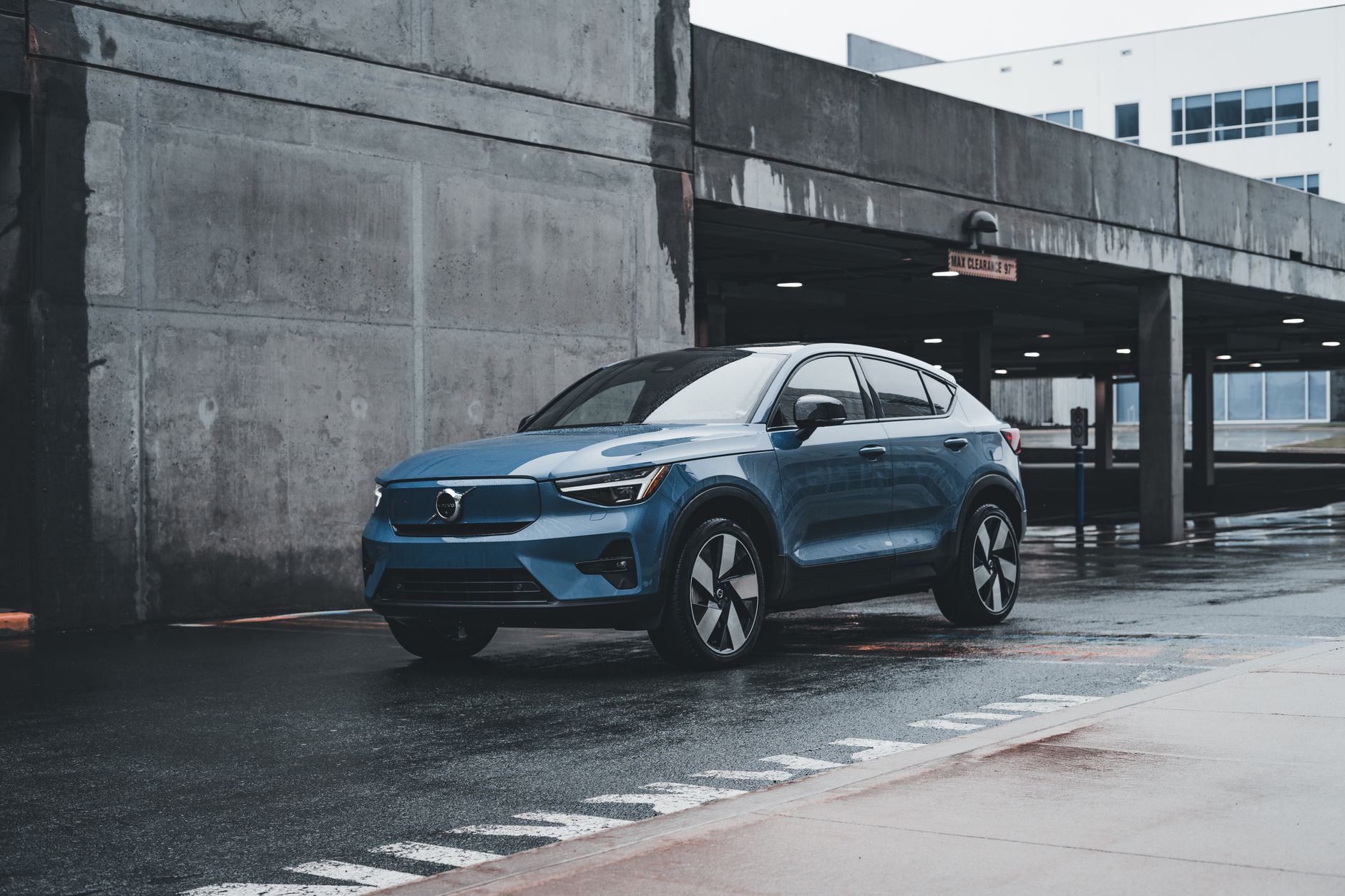
Volvo EX30 real-world range on UK roads
Volvo quotes up to 298 miles for the rear-wheel-drive Single Motor Extended Range version. On paper, that sounds competitive. In practice, on British roads in mixed conditions, I was seeing figures closer to 220-240 miles. Drive it gently on a warm day, mostly A-roads and dual carriageways at 60 mph, and you’ll get comfortably into the mid-250s. Push onto the motorway and sit at 70 mph, which, obviously, is what most of us actually do, and the range drops noticeably, typically settling around 190-210 miles in real use. That’s not unusual for a car of this size, but it’s worth going in with realistic expectations rather than the WLTP figure stuck on the dealer’s window.
The 49 kWh battery in the base Single Motor version delivers around 190-200 miles in the real world, which I think is the honest minimum for a car being used as an only vehicle in a family with occasional longer runs. If you’re buying this primarily for city and commuter use and you can charge at home, the standard battery is fine. For anything else, the Extended Range is the one to have.
Charging speed and public network performance
This is where the EX30 genuinely impresses. The Extended Range model supports 153 kW DC rapid charging, which means a 10-80% charge takes around 25 minutes on a compatible rapid charger. That’s quick enough to make a coffee stop feel like a reasonable charging opportunity rather than a source of anxiety. The standard model is capped at 11 kW AC, which is fine for overnight home charging, a full charge from empty takes around four hours on a 7 kW home wallbox, or overnight from a standard 3-pin socket if you’re not in a hurry.
I used a mix of BP Pulse and Gridserve chargers during my time with the car. Performance was consistent on the rapid network, and the EX30’s charging curve holds up well compared to rivals, it doesn’t throttle aggressively after 50%, which some competitors do. The growing pressure on manufacturers to sell EVs under the ZEV mandate has pushed Volvo to price the EX30 keenly, and the charging performance helps justify it.
Interior quality: genuinely good or just Instagram-friendly?
Volvo’s interior designers have done something clever with the EX30’s cabin. It looks expensive without actually using expensive materials everywhere. The centrepiece is a single 12.3-inch touchscreen that handles almost everything, including climate controls. I’ll be honest: I find this approach irritating on cold mornings when you want to adjust the temperature quickly without taking your eyes off a wet, unlit B-road. Physical buttons for the basics would be better. Volvo knows this. They’ve apparently had a lot of feedback on it. Whether they’ll change it is another question.
That said, the materials themselves feel solid. The seats are comfortable and supportive, the ambient lighting is well-judged, and the sound system in the Premium trim is genuinely good. Boot space is 318 litres, which is competitive for the class, better than the Renault 5 and roughly on par with the Mini Electric. The rear seats are snug for adults on longer runs but perfectly usable for children or shorter journeys. The Volvo has also thought carefully about storage throughout the cabin, with a decent cubby under the centre console and door pockets that actually fit a full water bottle.
How it drives on British roads
Comfortable, quick, and unexpectedly engaging. Those aren’t three words I’d normally put together for a small city-focused EV. The single motor rear-wheel-drive setup gives the EX30 a lively, rear-biased character that’s genuinely fun in the dry. It handles the ruts and broken surfaces that characterise so much of Britain’s road network with composure, the suspension is well-tuned for UK conditions, neither too stiff nor floaty. The ride is firm enough to feel purposeful without becoming tiresome over longer distances.
The dual motor version, producing 428 bhp, is frankly ludicrous for a car this size. 0-62 mph in 3.6 seconds in something that looks like a compact urban crossover. I’d take it. But I’d also concede that most buyers would be entirely satisfied with the 272 bhp Single Motor Extended Range, which is more than quick enough for real roads and doesn’t cost as much to insure. Speaking of which, insurance groups for the EX30 sit between 29 and 38 depending on trim, which is higher than you might expect, worth factoring into your running costs before you sign anything. The true cost of running any new car in 2026 always involves more than the monthly payment.
Value against key rivals in 2026
Pricing starts at around £33,000 for the Single Motor, rising to roughly £38,000 for the Extended Range in Core trim. The Renault 5 E-Tech starts considerably cheaper but doesn’t match the EX30 for perceived quality or charging speed. The Mini Electric Countryman is a close competitor and arguably better to drive, but it’s heavier and the charging costs more per mile in real use. The Peugeot E-208 undercuts both but feels a generation behind on software and range.
I’ve seen the Renault 5 E-Tech described as the most fun small EV you can buy, and it’s a fair point, but fun and practical aren’t quite the same thing. The EX30 is the more rounded car for someone who wants to use it daily across a wider range of scenarios. If you’re weighing up how to pay for it, understanding the difference between PCP and HP agreements matters more than most people realise, the traps in car finance can cost UK buyers thousands over the life of an agreement.
According to the Society of Motor Manufacturers and Traders (SMMT), small electric SUVs and crossovers are the fastest-growing segment in the UK new car market in 2026, and the EX30 sits right at the heart of that growth. Volvo sold over 12,000 units in Britain last year across the EX range, with the EX30 making up the bulk of that.
Should you buy the Volvo EX30 in 2026?
If your priority is a genuinely well-made small electric car that charges quickly, drives nicely, and doesn’t feel like a compromise on interior quality, the EX30 is very hard to argue with at this price. The software-heavy interior takes some getting used to, and real-world range won’t match the WLTP figure on cold days, but neither will any rival’s. What the EX30 does is make you feel like you’ve bought something considered rather than something assembled to a budget. That feeling matters over the long term.
My take is this: get the Single Motor Extended Range in Core or Plus trim, budget properly for home charging installation, and you’ll have one of the most satisfying small EVs on British roads in 2026. The dual motor is brilliant but hard to justify unless you genuinely want that performance hit. And if you’re deciding between this and something from the Chinese brands now arriving in force on the UK market, the Volvo’s safety record and established dealer network remain meaningful advantages.
Frequently Asked Questions
What is the real-world range of the Volvo EX30 in the UK?
In mixed UK driving conditions, the Extended Range model typically delivers 220-250 miles rather than the WLTP-quoted 298 miles. Motorway driving at 70 mph will see that drop to around 190-210 miles, so plan longer journeys with a charging stop in mind.
How fast does the Volvo EX30 charge on a public rapid charger?
The Extended Range EX30 supports up to 153 kW DC rapid charging, taking around 25 minutes for a 10-80% charge on a compatible rapid charger. The standard model charges at a lower rate, so the Extended Range is the better choice if you use the public network regularly.
How does the Volvo EX30 compare to the Renault 5 E-Tech in 2026?
The Renault 5 is cheaper and arguably more enjoyable to drive in a playful sense, but the EX30 pulls ahead on interior quality, charging speed, and real-world range. For daily use as a sole family car, most buyers will find the EX30 the more practical choice.
Is the Volvo EX30 a good buy for UK families?
Yes, with some caveats. Boot space of 318 litres is competitive, and the cabin quality is well above average for the price. Rear-seat legroom is tight for adults on longer journeys, so it suits families with younger children more naturally than those needing regular adult rear-seat use.