

Electric cars in the UK no longer get a free ride on road tax. Since 1 April 2025, new and existing EVs have paid Vehicle Excise Duty (VED), the DVLA-collected tax, and the 2026 tax year has brought further changes for petrol owners and for buyers of expensive cars. Here is what the VED road tax changes in 2026 mean for UK electric cars and petrol cars, with worked examples. Rates are reviewed regularly, so confirm today’s figures on the GOV.UK vehicle tax rate tables.
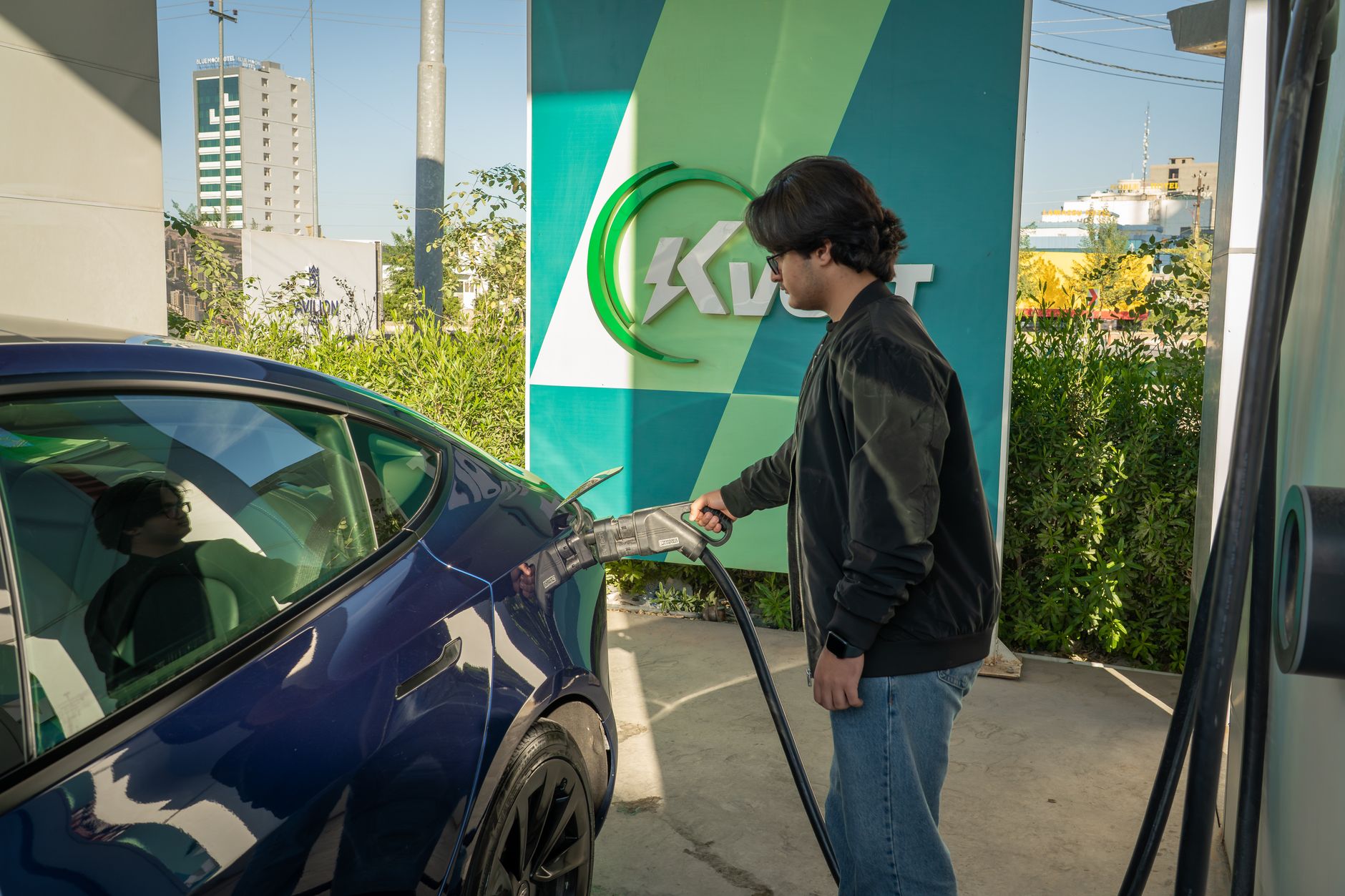
Do electric cars pay road tax in 2026?
Yes. Electric cars registered before 1 April 2025 moved from the zero-rate band to the lowest standard rate, which is the same flat annual rate paid by most petrol and diesel cars registered since April 2017. That rate was £195 a year for 2025/26, and it normally rises in line with inflation each April. Check GOV.UK for the 2026/27 figure rather than relying on a number quoted elsewhere.
Before the change, EV owners paid nothing. Now a typical used electric hatchback costs roughly the same in road tax as a petrol one of the same age, which removes a long-standing running-cost advantage.
What changed for cars registered from April 2025?
Cars registered on or after 1 April 2025 pay a first-year rate based on CO2 emissions, then a standard rate from year two. Electric cars have zero CO2, so their first-year rate is a nominal £10, and then they move onto the standard rate. Petrol cars face a first-year charge that climbs steeply with emissions, so a high-emitting car can add well over a thousand pounds to the on-the-road price. The official table lists every band.
Say you buy a new small petrol hatchback with modest emissions. Your first-year charge will be low, then the flat standard rate applies. A new large petrol SUV with high emissions can face a first-year bill of several hundred to well over a thousand pounds, depending on its band. A comparable EV pays £10 in year one.
What is the expensive car supplement?
The expensive car supplement is an extra yearly charge on cars with a list price above £40,000 when first registered. It is paid for five years, from the second time the car is taxed, on top of the standard rate. Since April 2025 the threshold for zero-emission cars has been raised to £50,000 for the supplement, so more EVs escape it, and the threshold for EVs was due to be aligned with other powertrains in some circumstances.
It matters because many popular family EVs sit around the threshold. If you are shopping at that level, see our guides to the best electric cars under £40,000 and the best electric cars under £30,000, where the supplement doesn’t come into play.
How much will a typical owner pay?
Here is a simple comparison of annual road tax for typical cases. Figures use the 2025/26 standard rate of £195 as a guide, so check the current rate before budgeting.
| Car | Year one | Year two onwards |
|---|---|---|
| EV registered before April 2025 | Standard rate, about £195 | About £195 |
| New EV under the supplement threshold | £10 | About £195 |
| New small petrol car | Low emissions-based charge | About £195 |
| New high-emitting petrol SUV | Often hundreds of pounds or more | About £195, plus supplement if over £40,000 |
Over a five-year ownership, the gap between an EV and a petrol car is now mostly the first-year charge, plus any supplement. Fuel and electricity costs matter far more. Home charging is usually much cheaper per mile than petrol, although public rapid charging can narrow that gap.
Is it still cheaper to run an EV?
For most drivers who can charge at home, yes, but the saving comes from energy cost rather than tax. Take a typical driver covering around 8,000 miles a year. Home electricity on a standard tariff is normally a fraction of the per-mile cost of petrol, so the annual saving can run into hundreds of pounds even with road tax now applying. Rely on public rapid chargers and that saving shrinks.
Insurance, depreciation and tyre wear also differ. Used EV values have been softening, which helps buyers; see our look at ULEZ and Clean Air Zone charging for another cost that still tilts towards cleaner cars.
What about pay-per-mile for EVs?
The government has announced plans for a separate per-mile charge for electric vehicles, intended to start in 2028. As it is not yet in force, the details can change, so treat anything beyond the headline as provisional. Watch the Treasury and GOV.UK for the final design, because it will affect high-mileage EV drivers most.
How do I pay and avoid mistakes?
Pay through the official GOV.UK vehicle tax service, using your vehicle registration number. Direct Debit is available and is often the easiest way to spread the cost, though paying monthly can add a small surcharge. If you buy a car, the previous owner’s tax does not transfer: you must tax it in your own name before driving. Driving untaxed can lead to an automatic fine, and the DVLA checks against its database and camera records.
If you are weighing up a purchase now, compare total running costs, not just tax. Our piece on the real cost of running a performance car shows how quickly insurance, tyres and fuel outweigh the tax bill. Before ordering any new car, look up its CO2 figure and list price against the official bands, as these decide your first-year charge and any supplement.
Frequently Asked Questions
Do I have to pay road tax on an electric car?
Yes. Since 1 April 2025, electric cars have paid Vehicle Excise Duty. Older EVs pay the standard rate, and new EVs pay a nominal first-year amount, then the standard rate. Check GOV.UK for the current figure.
How do I check my car's VED band?
Use the free vehicle tax checker on GOV.UK with your registration number. It shows when your tax expires and the amount due. Your V5C logbook also lists CO2 emissions and the registration date, which decide your rate.
What happens if I forget to tax my car?
The DVLA can issue an automatic penalty, which can rise if you do not respond, and it can take enforcement action. Your car also cannot legally be driven on public roads if untaxed. Use SORN if it is off the road.
Does the expensive car supplement apply to used cars?
It depends on the car’s list price when first registered and its age. It applies for five years from the second tax payment, so a car more than six years old no longer pays it. Check the V5C and GOV.UK.



Leave a Reply