

UK speed camera technology is moving away from single-point snapshots and towards systems that watch whole stretches of road, read plates automatically and, increasingly, check for offences other than speeding. For drivers the practical change is simple: there are fewer places where braking for a camera and speeding up afterwards gets you away with it.
I can’t point to one nationwide switch-on date for 2026, and nobody should pretend there is one. Enforcement is decided by individual police forces, road safety partnerships, National Highways and Transport Scotland, so the picture varies by road. What follows is how each system works and what to do about it.
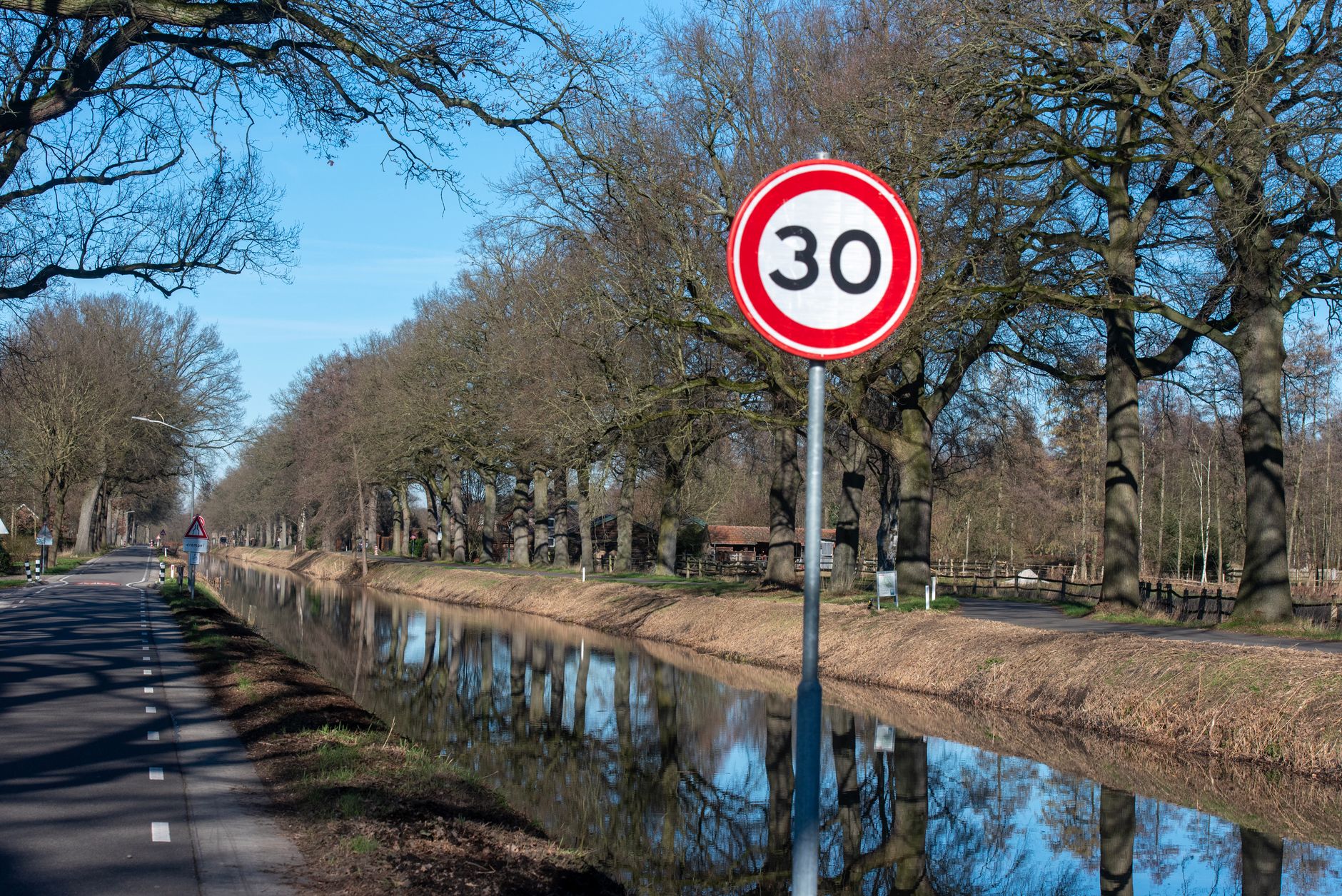
How do average speed cameras work?
Average speed cameras read a vehicle’s number plate at two or more points using ANPR (automatic number plate recognition), then divide the distance between them by the time you took. If the result is over the limit, you are flagged, however steady your speed looked at each camera. They are standard in motorway roadworks and are now common on A-roads and urban routes too. Scotland has been an especially heavy user, which we cover in our guide to Scotland’s average speed cameras.
What are the main types of enforcement you will meet?
| System | What it does | Where you see it |
|---|---|---|
| Fixed spot camera | Measures speed at one point, often by radar or road sensors, such as Gatso and Truvelo units | Roadside poles and gantries, often marked |
| Average speed (point to point) | Compares journey time between ANPR cameras | Roadworks, A-roads, urban corridors |
| Mobile unit | Van or trailer with radar or laser, moved between sites | Collision hotspots, near schools, rural roads |
| AI-assisted camera | Image analysis to spot phone use or missing seatbelts | Vans and trailers in police and National Highways trials |
What has AI added to mobile enforcement?
The best-known example is the AI camera system from the Australian firm Acusensus, which has been trialled by UK police forces and National Highways. It photographs vehicles passing, uses software to flag drivers who appear to be holding a phone or not wearing a seatbelt, and sends flagged images for a human officer to review. It is aimed at offences a speed gun never catches, and it sits in vans and trailers, so the location changes. The key point is that a person still checks the image before any action is taken.

How to stay on the right side of modern cameras
The steps below are the ones I’d actually follow, with the reasoning for each.
- Assume every stretch of road could be monitored. Mobile units move, and average systems cover long sections with cameras you may not spot. Planning to slow down only for a visible box no longer works.
- Drive to the limit for the whole section. On an average speed zone, a short burst over the limit can be offset only by driving under it later, and that is a poor habit to rely on. Hold the limit from the first camera to the last.
- Use cruise control or a speed limiter. Most new cars have an adjustable speed limiter. Set it to the posted limit and the car does the work, which helps in roadworks where limits change often.
- Read the signs, not just the sat nav. Satnav limits can lag behind changes. Camera signs and the repeater limit signs on the road are what count.
- Keep the phone out of reach and belt on, every time. AI cameras target exactly these offences. A phone in a cradle you only touch for navigation set before you move is far safer than one on your lap.
- Don’t count on a margin. Police guidance has traditionally allowed some tolerance above the limit before action is usual, commonly described as 10% plus 2mph, but it is guidance, not a legal right, and forces can enforce lower.
What happens if a camera catches you?
Most speeding cases start with a Notice of Intended Prosecution, which must normally reach the registered keeper within 14 days of the offence. You will usually be asked to name the driver, and failing to reply can be an offence in its own right. The standard outcome for a lower-level speeding offence is a fixed penalty of £100 and three points, though you may be offered a speed awareness course instead depending on your speed and local rules. The official breakdown is on the GOV.UK speeding penalties page, and it is where I’d check the current figures. Higher speeds can mean a court summons, a larger fine and a ban.
Do the new systems change anything for electric and fleet drivers?
Not in law. An EV is held to the same limits as any other car, though quick acceleration makes accidental creep over the limit easy, and the instant torque is no excuse. Van and company-car drivers should note that the registered keeper, often the employer, receives the notice and will have to name the driver, so a clear log of who drove what saves time. If you run a local motoring club or a regional driving website and want to cover hosting costs while publishing road safety advice, a UK banner advertising network is one way to bring in revenue from your readers.
Where to check current enforcement on your route
Your local police force and road safety partnership publish their mobile camera sites, and National Highways lists work on motorway sections. Those pages change, so look before a long trip rather than relying on a screenshot from last year. If you are planning a journey in a low emission zone as well, our plain-English guide to ULEZ and Clean Air Zone charging covers the other set of cameras you may pass on the way.
Frequently Asked Questions
Can average speed cameras catch you if you slow down at each camera?
Yes, because they measure your time between two points, not your speed at each one. If you are over the limit across the whole section, the average will show it. Slowing only at the cameras makes no difference to the result.
Are speed cameras always yellow?
No. Many fixed cameras are painted yellow so they are easy to see, but average speed cameras, mobile units and some newer systems may be grey, white or fitted to existing gantries and poles. Do not rely on colour to spot enforcement.
How long do police have to send a speeding notice?
Generally a Notice of Intended Prosecution must reach the registered keeper within 14 days of the alleged offence. You are then usually asked to identify the driver. Check the notice itself and GOV.UK guidance for the exact response deadline.
Do AI cameras issue fines automatically?
In the UK trials, the AI software flags possible offences, and an officer reviews the image before any action is taken. The aim is to detect offences like phone use or missing seatbelts. A human check remains part of the process.


Leave a Reply