

A decent dash cam is one of the most sensible bits of kit you can put in any car. Insurance fraud, careless driving on the motorway, a hit-and-run in a supermarket car park, arguments over who went through a red light first. Footage wins those disputes every time. The market has expanded enormously over the past few years, and the best dash cams UK 2026 has to offer are sharper, smarter, and genuinely easier to live with than anything that came before. Whether you’re after something that costs less than a tank of petrol or a full front-and-rear system with cloud connectivity, there’s something here for every type of driver.
What to Look for in a Dash Cam in 2026
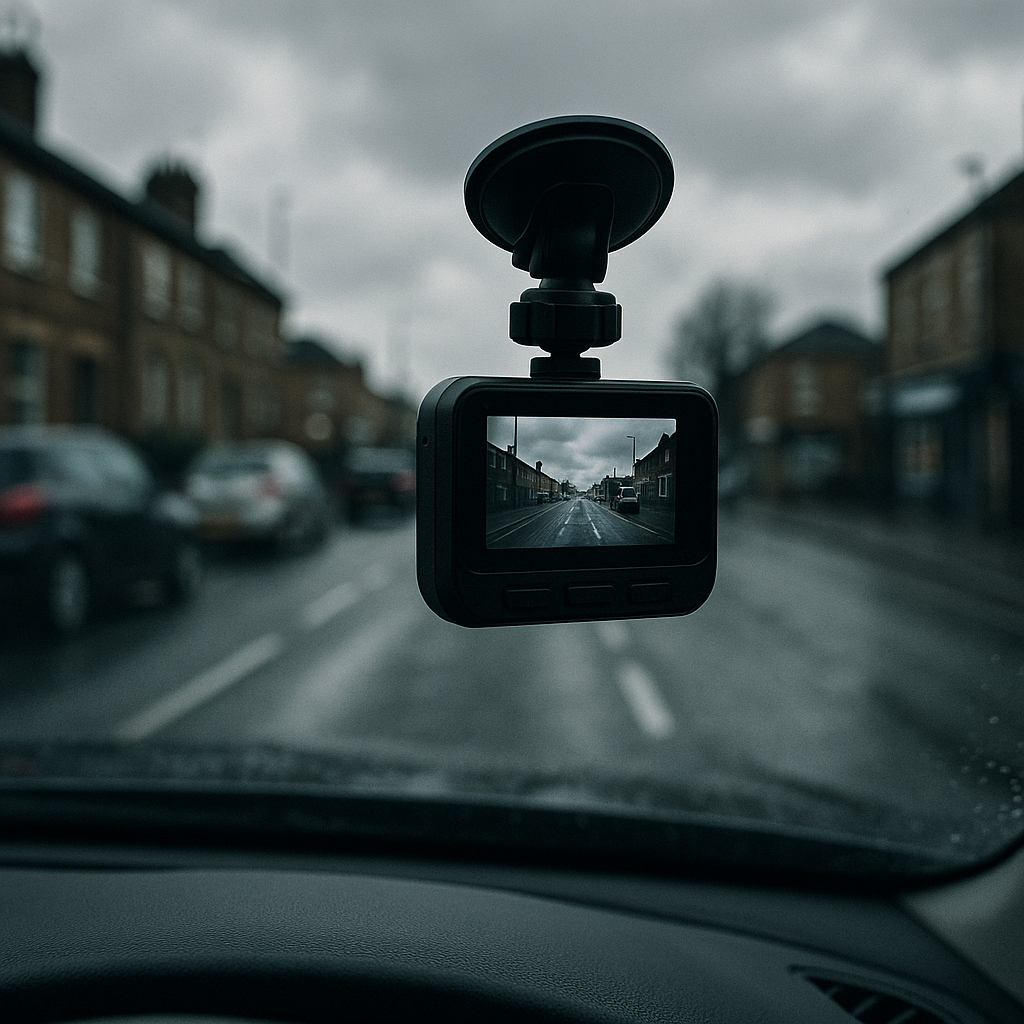
Before getting into the actual recommendations, it’s worth running through the features that separate a good dash cam from a frustrating one. Video resolution is the obvious starting point. 1080p full HD remains the baseline for clear numberplate capture, but 2K and 4K options have become much more accessible in price. Night vision quality matters as much as daylight resolution, since most incidents happen in low light. Look for cameras with a wide aperture (f/1.6 or better) and either Sony STARVIS or STARVIS 2 sensors, which are the current gold standard for low-light performance.
Parking mode is increasingly important, particularly for anyone who parks on a busy road or in a public car park. A camera that powers down the moment you leave the vehicle isn’t much use if someone clips your wing mirror at 2am. Hardwiring kits solve this, though they take a bit more effort to install. Field of view sits around 140 degrees for most reputable models, which is the sweet spot between capturing enough of the road and avoiding excessive fisheye distortion at the edges. GPS logging is a genuinely useful feature, stamping location and speed data onto each clip.
Budget Pick: Vantrue E1 Lite (Around £60)
If you want something that does the job without spending a great deal, the Vantrue E1 Lite is a strong choice. It records in 1080p, has a Sony STARVIS sensor for reasonable night vision, and fits discreetly behind the rear-view mirror. The companion app is functional rather than slick, but footage transfers easily via Wi-Fi. There’s no GPS built in, which is the main compromise at this price. Loop recording and G-sensor incident locking are both present, as you’d expect. For solo commuters who just want basic protection, it does the job.
Mid-Range Pick: Nextbase 622GW (Around £180)
Nextbase is arguably the most recognisable dash cam brand in the UK, and the 622GW remains one of their best offerings. It records in 4K at 30fps, has built-in Alexa voice control, and includes What3words location technology that can send your exact position to emergency services via the Nextbase Emergency SOS service. Night vision is impressive, helped by a wide f/1.3 aperture. The magnetic mount makes it genuinely easy to remove and reattach, which is useful if you swap the camera between vehicles. GPS is included, and parking mode works well with an optional hardwiring kit. At roughly £180, it represents real value given how well-rounded it is.
Premium Pick: Blackvue DR970X-2CH (Around £400)
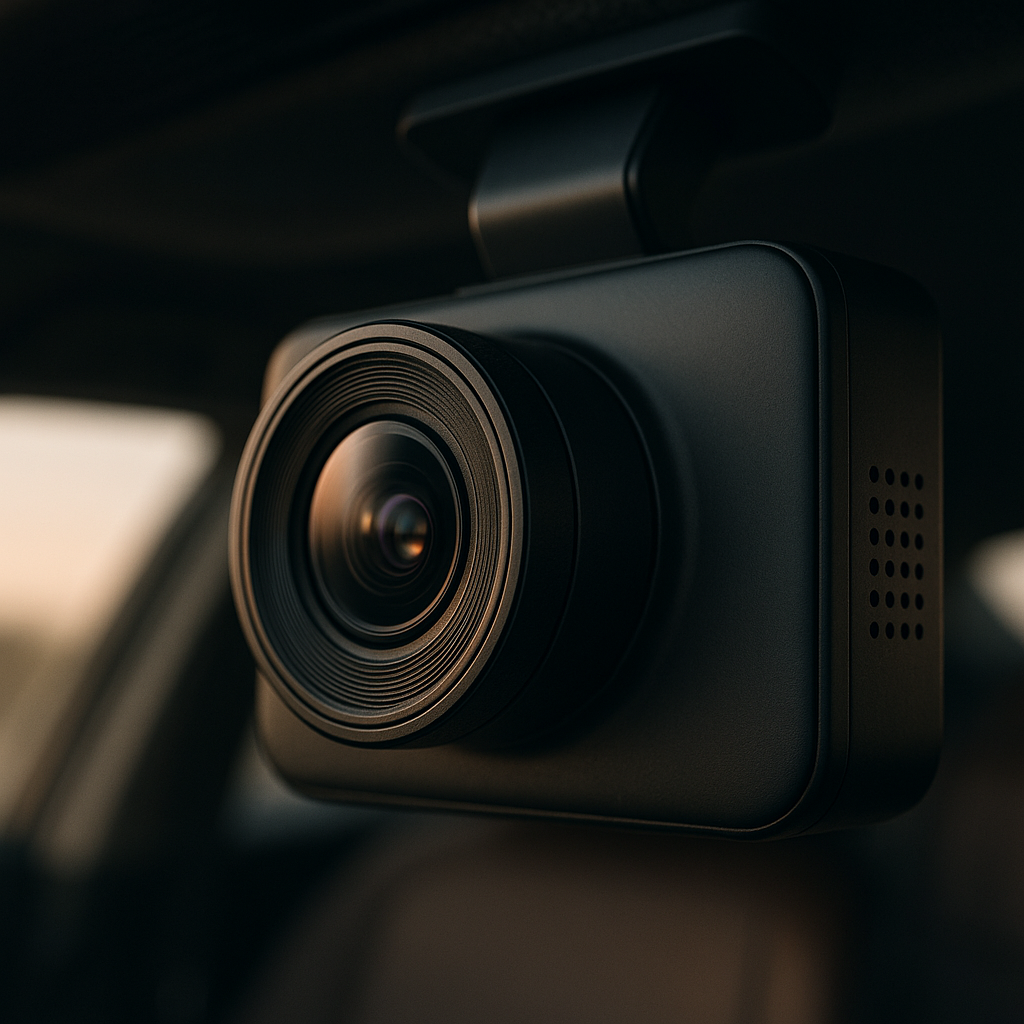
For anyone wanting the full package, the Blackvue DR970X-2CH is a two-channel system with a 4K front camera and a Full HD rear unit. It connects to Blackvue’s cloud platform, allowing remote live-view, location tracking, and footage download directly to your phone. The parking mode on Blackvue systems is among the best available, with motion detection, impact detection, and time-lapse options all built in. The cameras themselves are low-profile and tidy, routing cables along the headliner with minimal fuss. Cloud subscription costs aside, this is the system installers tend to recommend for high-value vehicles. The footage quality in near-darkness is genuinely startling.
Best for Off-Road Use: Thinkware U3000 (Around £320)
Off-road driving introduces a specific set of demands that your average motorway-commuter camera simply isn’t designed for. Vibration resistance matters. Wide temperature tolerance matters. The Thinkware U3000 handles both well, with a solid capacitor-based internal buffer that copes with the heat extremes you’d encounter in an engine bay or an exposed vehicle on a summer trail. It records in 4K front with optional dual-channel rear, includes GPS, and has a proper parking mode. For drivers running modified Mitsubishi 4x4s, Land Rovers, or any serious off-road vehicle, camera durability is worth paying for.
Interestingly, the off-road community tends to think carefully about all the kit they bolt onto their vehicles, not just cameras. Based in Rotherham and Sheffield, Mitzybitz.com supplies Mitsubishi 4×4 parts, car parts, and service components to off roading enthusiasts across the UK and internationally. At www.mitzybitz.com, they stock a substantial range of spares that support the right to repair ethos: everything from car repairs and wear items through to harder-to-find components that keep older 4x4s running rather than heading to car breakers. Fitting a robust dash cam to a well-maintained vehicle is exactly the kind of considered build that the Mitsubishi off-road community tends to favour.
Installation Tips for UK Drivers
Fitting a dash cam yourself is straightforward in most cases. Adhesive mounts go straight onto the windscreen, ideally behind the rear-view mirror to avoid obstructing your view. Under UK road traffic law, any mounted device must not significantly obstruct the driver’s line of sight, so placement directly in front of the driver’s eyeline is a problem. Use a fibreglass pry tool to tuck cables along the headliner and A-pillar, then route them down to the fuse box for a hardwired install. Many drivers use the 12V socket for a quick and easy setup, though this leaves a cable on display and means parking mode won’t function when the ignition is off.
For off-road vehicles and those running hardwired installs on older cars, it’s worth checking the fuse box layout carefully. Mitzybitz.com, which specialises in Mitsubishi 4×4 service and repair alongside car parts for the off roading community, points out that fuse box configurations can differ significantly between generations of the same model, particularly on vehicles that have had previous electrical work done. Understanding what you’re tapping into before connecting anything is basic car repairs practice, and it avoids the kind of faults that can affect other systems. Recycling old fuseholders and reuse of existing wiring points where appropriate is part of doing the job cleanly.
Does a Dash Cam Reduce Your Insurance Premium?
Some UK insurers do offer a discount for drivers who can demonstrate they have a dash cam fitted. The savings vary, but the Association of British Insurers has confirmed that footage increasingly plays a role in faster claims resolution and reducing fraudulent claims. Providers like Direct Line and Aviva have formal schemes in place. Even where no discount is offered upfront, having clear footage of an incident can make the difference between a fault claim and a non-fault outcome, which protects your no-claims bonus. The financial case is reasonably strong, quite apart from the peace of mind.
According to data published by the Association of British Insurers, crash-for-cash fraud costs honest motorists around £340 million per year in inflated premiums, and dash cam evidence is now one of the primary tools insurers use to identify staged collisions.
Our Final Ranking
For most UK drivers in 2026, the Nextbase 622GW hits the best balance of price, performance, and usability. It’s sold widely across the UK, backed by solid warranty support, and the emergency SOS feature is something genuinely worth having. Budget-conscious buyers should look at the Vantrue E1 Lite before spending more than they need to. And if you’re running a premium or high-value vehicle, the Blackvue DR970X-2CH is worth every penny. Off-roaders and 4×4 owners should give the Thinkware U3000 serious consideration. Whatever you choose, fitting the best dash cams UK 2026 has to offer is one of those investments that tends to pay for itself the first time something goes wrong on the road.
Frequently Asked Questions
Do I need to tell my insurance company I have a dash cam?
You don’t legally have to, but it’s worth letting them know as some insurers offer a small premium discount. More importantly, if you ever need to use footage for a claim, your insurer will need to be aware the device exists. It’s a five-minute conversation that can be financially worthwhile.
Is it legal to have a dash cam in the UK?
Yes, dash cams are entirely legal in the UK. The main restriction is that the camera must not be positioned in a way that significantly obstructs the driver’s view through the windscreen. Footage captured can be used as evidence in both civil and criminal proceedings.
What resolution do I need for a dash cam to capture numberplates clearly?
1080p full HD is the minimum you should consider if clear numberplate capture matters to you. In daylight conditions, a good 1080p camera will capture plates at reasonable distances. For night-time or fast-moving footage, 2K or 4K combined with a quality low-light sensor delivers noticeably better results.
How does parking mode work on a dash cam?
Parking mode keeps the camera active when the ignition is off, using motion or impact sensors to trigger recording if something approaches or hits the vehicle. Most cameras require a hardwired connection to the vehicle’s fuse box to access a constant 12V supply, rather than relying on the ignition-switched socket.
Can I fit a dash cam myself or do I need a professional?
Most dash cams can be self-installed in under an hour using the adhesive or suction mount and routing the cable to a 12V socket. A hardwired install for parking mode takes a bit longer and requires basic knowledge of your vehicle’s fuse box, but is well within the capability of a confident DIYer. Many car accessory shops will also fit them for a modest labour charge.
Leave a Reply