
Walk into a showroom in late 2026 and the spec sheet of a sporty car reads more like a superbike’s than it did a generation ago: drive modes, auto-blipping downshifts, traction control with several settings. If you are shopping for an enthusiast car in Britain, new or used, you are paying for ideas that were worked out on two wheels. Not all of them, though. Motorcycle technology in cars runs both ways, and a few famous ‘bike’ features started life on four wheels.
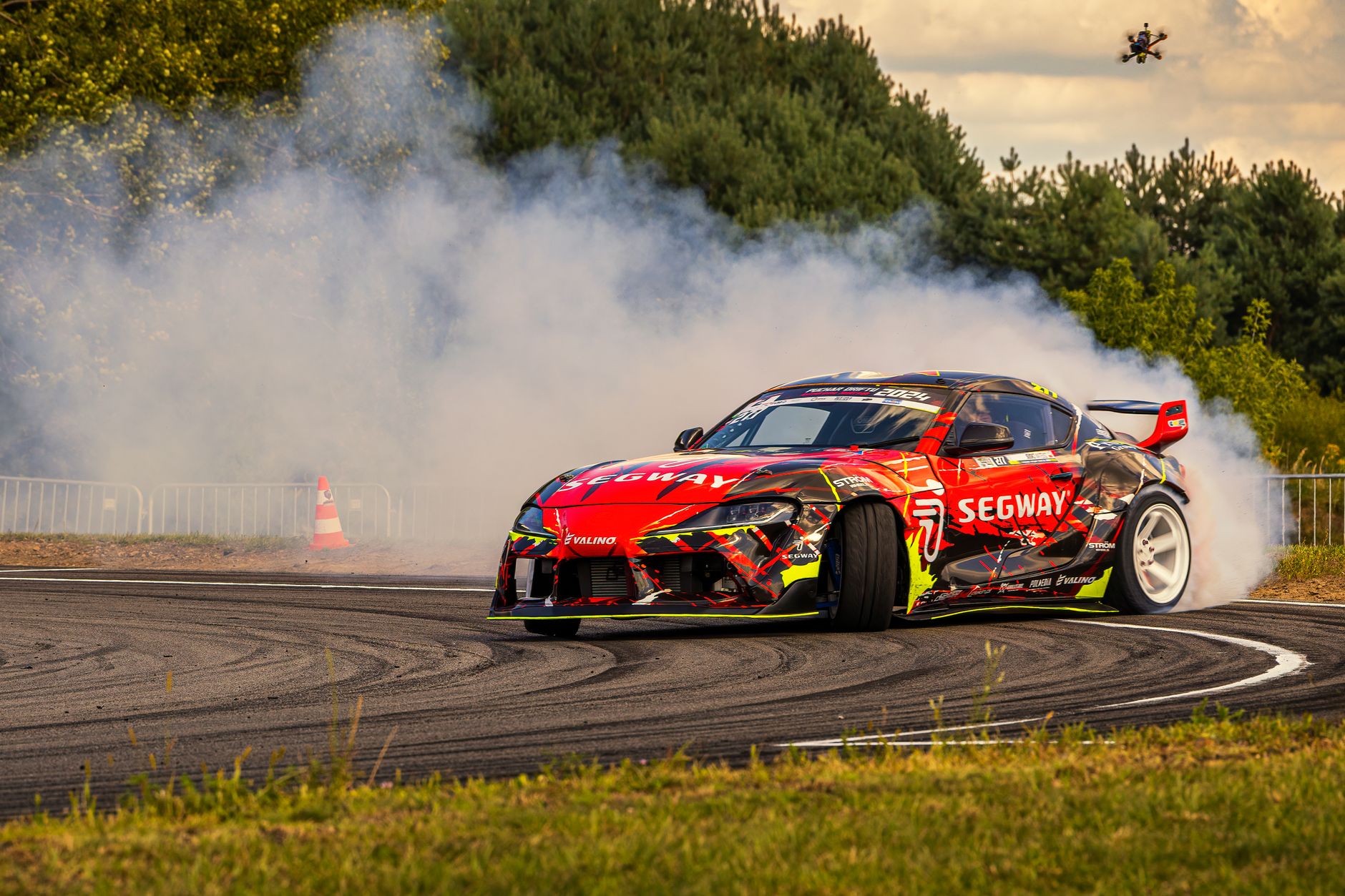
Which motorcycle technology in cars actually came from bikes?
High-revving engines, rev-matched gearchanges and a weight-first approach to design are the clearest bike-to-car crossovers, while ABS and basic traction control travelled the other way, from cars to bikes. The table sorts out who borrowed what.
| Technology | Where it started | Where you see it in Britain |
|---|---|---|
| High-revving engines | Bike and bike-maker engineering | Mazda MX-5 2.0, specialist cars such as the Ariel Atom |
| Traction control | Cars first, refined with multi-level race-bike systems | Selectable modes on most sporty cars |
| ABS | Cars first (Mercedes S-Class, 1978) | Every new car and every new bike over 125cc |
| Quickshifter and auto-blip | Race and sports bikes | Rev-matching in the Honda Civic Type R, DCT gearboxes |
| Lightweight design | Bike power-to-weight thinking | Mazda MX-5, Ariel Atom |
Did high-revving engines come from motorcycles?
Largely yes, in spirit if not always in hardware. Bike engines have to make their power from small capacity, so they spin fast, and car makers with a bike business have borrowed that habit. Honda’s S2000 pulled 9,000rpm from a 2.0-litre four before production ended in 2009, and Mazda’s 2.0-litre MX-5 still has a 7,500rpm redline in an era of tall-geared turbo engines.
Small specialists have gone further and used actual bike engines. Radical’s earlier cars used Suzuki Hayabusa units, and Morgan’s original 3 Wheeler used a V-twin from the American firm S&S Cycle. The mainstream is different: emissions rules and turbocharging have pushed most engines towards low-rev torque, so a car that likes to be revved is now a deliberate choice.
Is traction control on a car the same as on a bike?
The principle is the same, but the history is not. Cars had traction control and ABS before bikes did: Mercedes fitted Bosch ABS to the S-Class in 1978, and bikes got it later. What bikes added was the multi-level, rider-adjustable approach. Ducati’s 1098R brought race-style adjustable traction control to a road bike in 2008, and cornering ABS, which reads lean angle, followed in the early 2010s.
Car makers have since adopted that menu thinking. A modern hot hatch lets you pick a gentler or looser setting, much as a rider picks a power mode. Stability control has been compulsory on new cars sold in Britain for over a decade, and ABS on new motorbikes over 125cc since 2016, with 125cc bikes needing either ABS or combined braking. If you buy used, remember that an ABS warning light is something an MOT tester will look at, and the DVSA runs the MOT scheme.
Do cars have quickshifters?
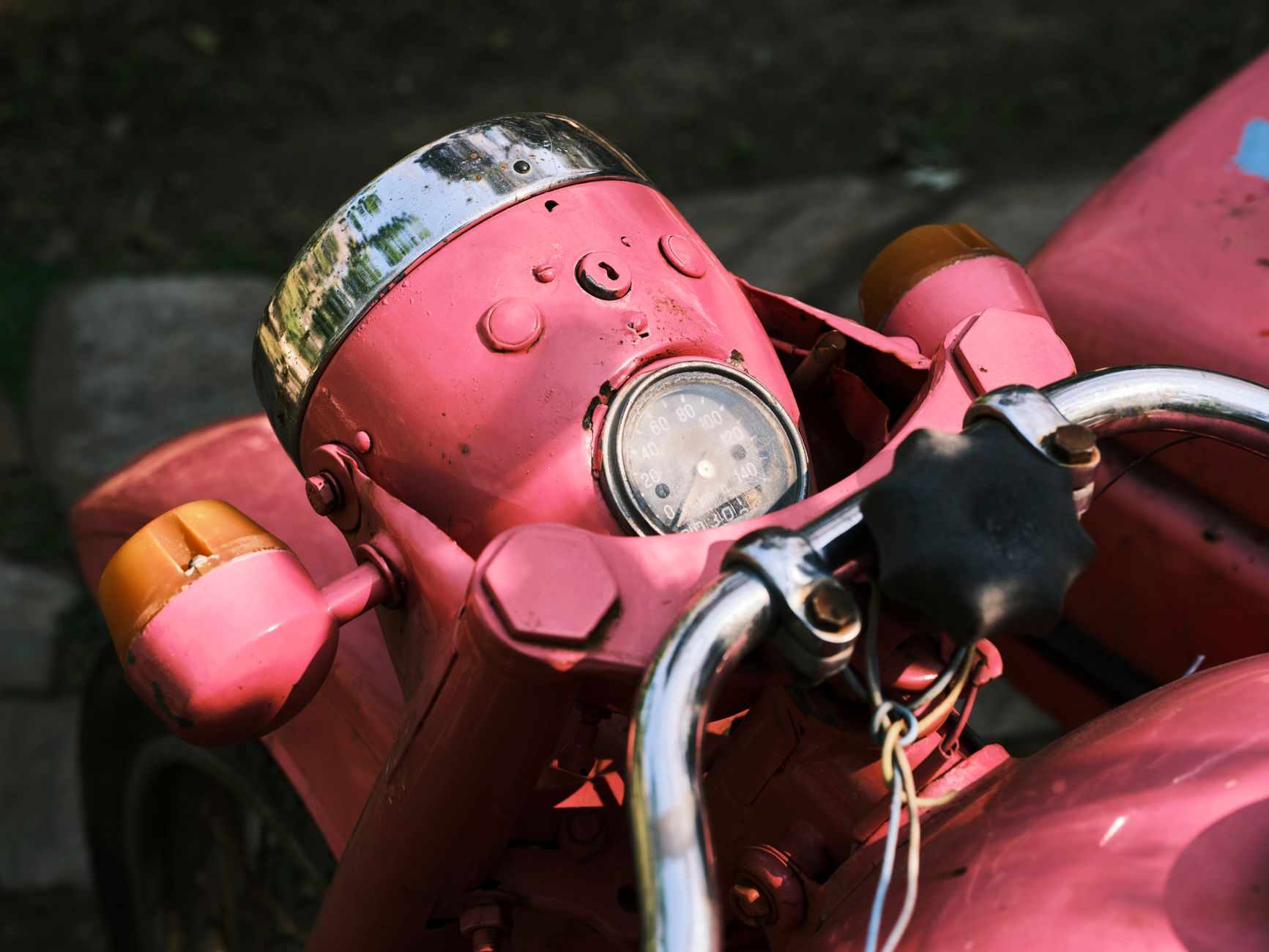
Not in the way a bike does, but the effect is the same. A bike quickshifter briefly cuts the ignition so you can change up without using the clutch or backing off the throttle. Dual-clutch gearboxes such as VW’s DSG and Porsche’s PDK do the equivalent in software, and many fast cars with paddles shift in the same clipped way.
The closer match for manual drivers is rev-matching, the car’s answer to a bike’s auto-blipper on downshifts. The Honda Civic Type R blips the throttle for you on the way down the gearbox. With secondhand automatics now outselling manuals, as we covered in why automatics are outselling manuals in the UK, rev-match is one of the reasons a manual can still feel special.
How does lightweight design show up in cars sold in Britain?
Lightweight design shows up as cars that put low mass ahead of big power, and the Mazda MX-5 is the plainest example. Mazda has described its aim as a feeling of horse and rider as one, and the car weighs just over a tonne, light by modern standards. Ariel’s Atom goes further, with an exposed frame, a Honda 2.0-litre turbo engine from the Civic Type R in the Atom 4, and a weight well under a tonne.
That is bike logic: a light machine needs less brake, less tyre and less engine to feel quick. It is also why light cars are best on the right road. Bike riders have always picked routes for the bends, and satnav apps are starting to do the same, as explained in this piece on satnavs learning to pick the fun route.
Where can you see the same technology on a bike?
The quickest way to understand what these systems do is to look at how they are sold on two wheels, where the technology is more exposed and easier to see. The parts and accessories at motorcyclestore.co.uk are a handy reference point for that: protective kit, controls and bolt-on parts show how the ideas behind ABS, traction control and quick gearchanges are packaged for riders. It helps if you are weighing up a bike alongside a car, or just want to see why a rider calls a feature essential.
My advice for anyone shopping now: on a test drive, try the car with its drive modes in each setting, and downshift a manual with the rev-match on and off. You will feel in minutes how much of the car’s character comes from bike thinking.
Frequently Asked Questions
Do any cars use motorcycle engines?
Yes, mostly small specialist makers. Radical’s earlier cars used Suzuki Hayabusa engines, and Morgan’s original 3 Wheeler used a V-twin from S&S Cycle. Mainstream cars rarely do, because emissions rules and crash requirements favour purpose-built car engines.
Is ABS compulsory on motorbikes in the UK?
New motorbikes over 125cc have needed ABS since 2016. New 125cc bikes must have either ABS or a combined braking system. Older bikes registered before those rules are not required to have it.
What is a quickshifter?
A quickshifter is a sensor-based system that briefly cuts the engine’s ignition or power as you press the gear lever, so you can change up without using the clutch or lifting off the throttle. Bikes use it widely, and dual-clutch car gearboxes do something similar in software.
What is rev-matching on a manual car?
Rev-matching is where the car blips the throttle on a downshift so engine speed matches the gear you are selecting. It makes changes smoother and reduces drivetrain shock. The Honda Civic Type R is a well-known example, and it is the car equivalent of a bike’s auto-blipper.
Leave a Reply