

You can buy a personalised registration in Britain from the DVLA, from a dealer or from a private seller, and each route ends with the same step: the DVLA must approve the transfer onto your vehicle. This guide to personalised number plates UK DVLA 2026 rules and routes covers what each option involves, what the fees are and where first-time buyers come unstuck.
The short version: the DVLA is the safest route and has the biggest supply of new registrations, dealers are the easiest for sought-after names and numbers, and private sales can be cheaper but put more risk on you.
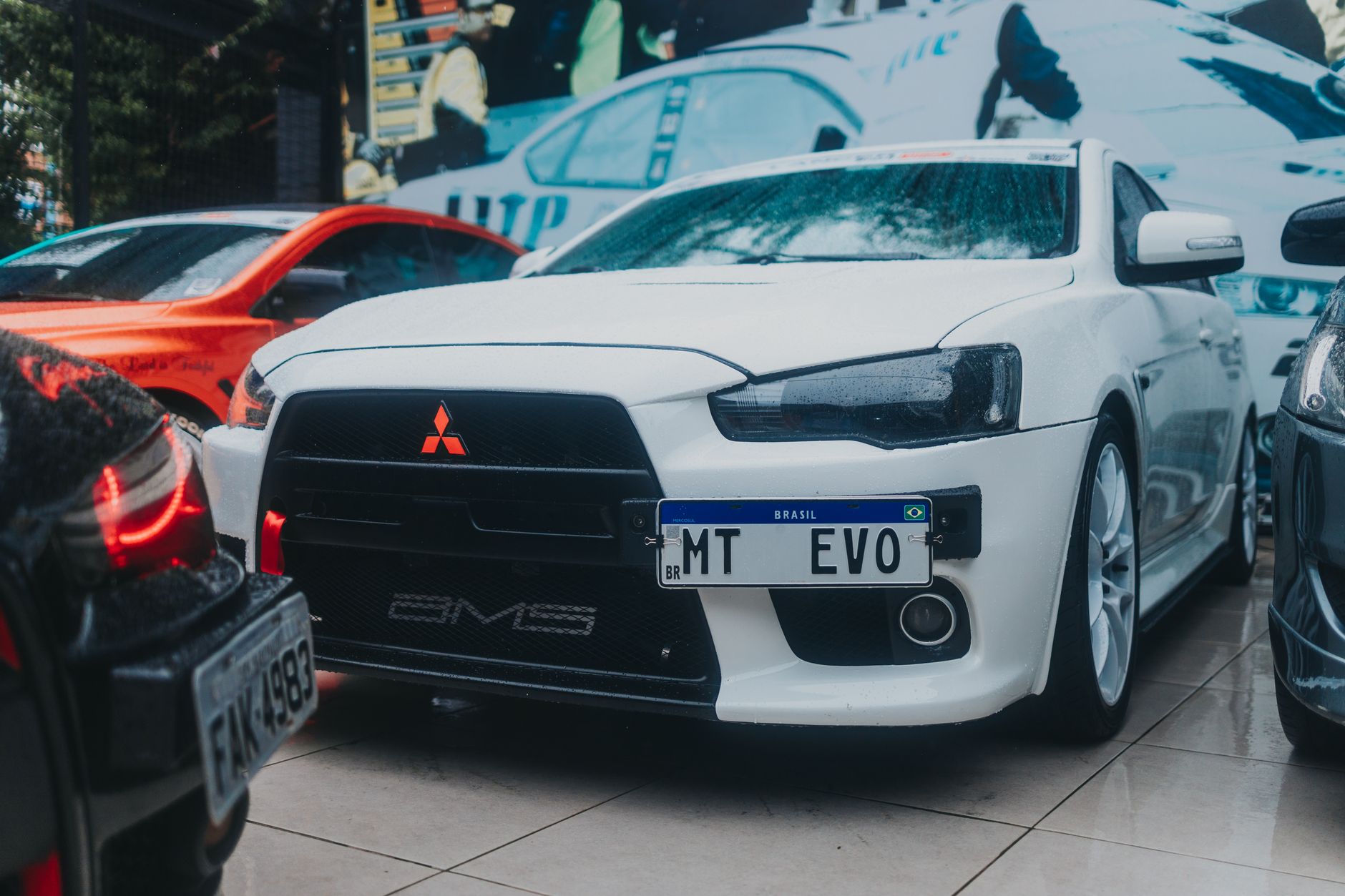
How do DVLA personalised registration auctions work?
DVLA auctions are run by the agency itself, in partnership with an auction company, and they sell registrations that have not been issued before, alongside some that have been returned. You register to bid, set a limit, and the highest bid wins. Auctions are run several times a year, and the DVLA publishes the catalogue on its website, so you can browse lots in advance.
Two details catch people out. First, a buyer’s premium or administration fee may apply on top of the hammer price, so read the auction terms before you bid. Second, the registration is not yours to use until you have assigned it to a vehicle. Winning the lot gives you the right to the number, not a plate on your car.
The DVLA also sells registrations directly through its online service, at fixed prices, without bidding. The range runs from cheap, unremarkable combinations to premium names that cost thousands.
Auction, dealer or private seller: how do they compare?
| Route | Typical cost | Risk | Best for |
|---|---|---|---|
| DVLA direct sale | Fixed price, from modest sums upwards | Very low | Buyers wanting certainty and a never-used number |
| DVLA auction | Set by bidding, plus any fees | Low, but easy to overbid | Buyers with a budget and some patience |
| Dealer or broker | Dealer’s asking price, often higher | Low to moderate | Sought-after names and short numbers |
| Private seller | Negotiable | Highest | Confident buyers who will check everything |
Prices vary enormously, so I would not trust any single figure for what a plate should cost. Cherished transfers of old dateless plates and short, clean combinations command the highest prices. Current-style plates in the standard format (two letters, two numbers, three letters) with no particular meaning can often be bought for a modest sum. Compare similar plates on the DVLA site and on dealer listings before you commit, because that is the only reliable guide to a fair price.
What are the fees for transferring a registration?
The DVLA charges an assignment fee when a personalised registration is put on a vehicle, and a separate fee applies when you retain a registration from a car you are selling or scrapping. At the time of writing the assignment fee was in the region of £80, but check the current figure on GOV.UK’s personalised registration pages before you budget. Those pages also list the retention fee and the process for each.
A transfer normally involves a few steps:
- Check the vehicle is eligible: it must be registered with the DVLA and have a current MOT if one is due, and be taxed or have a valid SORN.
- Apply online through GOV.UK or by post using the relevant form, with the certificate of entitlement or retention document for the number.
- Pay the fee, and wait for the DVLA to issue a new V5C logbook showing the new registration.
- Only then have the physical plates made and fitted.
Do not put the new plates on before the DVLA confirms the change. Displaying a registration that is not officially assigned to your vehicle is an offence.
What rules apply to the plates themselves?
Physical plates must meet the British Standard, use the legal typeface and spacing, and be made by a registered supplier, who will ask for proof of identity and entitlement to the number. Plates must be reflective, white at the front and yellow at the rear, and cannot be altered to make the characters look like something else. Cleverly spaced letters that spell a name are fine only if the spacing still follows the rules, so do not let a supplier talk you into creative fonts.
An important rule: a registration cannot be used to make a vehicle look newer than it is. The DVLA does not allow a plate that suggests a younger age, such as putting a 2026 style registration on a ten-year-old car. An older-style registration on a newer car is allowed.
Common pitfalls for first-time buyers
Buying a number you cannot use
Check that the registration is eligible for your vehicle’s age before paying. A private seller who offers a number that would make your car look newer is selling something you cannot lawfully put on it.
Paying before checking the paperwork
With a private sale, ask to see the V750 certificate of entitlement or V778 retention document, and confirm the seller’s name matches. A number sitting on a car that is still on the road is not the same as a number held on a retention certificate. Use an escrow service or a reputable broker if a large sum is involved.
Forgetting the cost of the car
You are also responsible for the vehicle’s tax and MOT. If you are moving a number between cars, think about when the old car will be sold or scrapped, because retention needs to be arranged first, otherwise you may lose the number. If you are buying a used car at the same time, it is worth reading our guide on how to check used car history in the UK, because changing a registration does not change a car’s past.
Assuming a plate is an investment
Some registrations do hold their value, but many sell for less than they cost once fees and dealer margins are taken into account. Buy a number because you want it on your car, not because you expect to make money.
Who should pick which route?
If you want a straightforward, safe purchase and are not fixed on one particular combination, go direct to the DVLA, either at fixed price or at auction with a firm upper limit. If you have a name, initials or a short number in mind, a reputable dealer will probably have it or can source it, at a premium. If you are buying privately, do it only when you are confident reading the paperwork, and never hand over money until you have seen the certificate and confirmed the transfer process with the DVLA.
Whichever way you buy, set a total budget that includes the purchase price, any auction or dealer fees, the DVLA assignment fee and the cost of new plates, and keep the retention paperwork somewhere safe.
Frequently Asked Questions
Can I put a personalised number plate on any car?
Not quite any car. The vehicle must be registered with the DVLA, and the registration must not make it look newer than it is. You can put an older-style number on a newer car, but not the reverse. The car also needs a valid MOT if one is due.
How long does a number plate transfer take?
Online assignments can be processed quickly, and you may be able to use the new registration soon after the DVLA confirms it, but a new V5C logbook follows by post. Paper applications take longer. Do not fit the new plates until you have confirmation from the DVLA.
What is a retention certificate?
A retention certificate, the V778, shows you hold the right to a registration that is not currently on a vehicle. It lets you keep a number when you sell or scrap a car. It has to be renewed when it expires, otherwise you can lose the right to the number.
Can I sell a personalised registration I own?
Yes. You can sell it privately or through a dealer, provided the number is either on your vehicle or held on a retention certificate in your name. The buyer then applies to the DVLA to have it assigned to their vehicle, and you complete the transfer paperwork.


Leave a Reply